Connect with us

Blog

01630 293981: Who Called Me and Should You Answer?

Published

on

01630 293981

Receiving an unexpected phone call from an unfamiliar number can immediately raise questions, particularly when the caller does not leave a clear voicemail or explain why they are calling. One number that has attracted attention in public phone-directory and caller-reporting websites is 01630 293981. The number is associated with the 01630 area code, which serves the Market Drayton area of the United Kingdom, and public lookup services have recorded searches and reports concerning this number. One public listing says that searches for 01630 293981 began in May 2025 and includes a report describing the call as spam, while another caller-reporting website records a complaint in which the caller reportedly would not speak.

It is important, however, to distinguish between a phone number’s geographic association and the identity or intentions of the person calling. A UK landline number can belong to a legitimate individual, business, call centre, or other organisation, while unwanted callers may also use numbers that appear ordinary and local. Public reports can therefore be useful as warning signals, but they should not automatically be treated as definitive proof that a particular number belongs to a scammer. In this guide, we will look at what is publicly reported about 01630 293981, what the 01630 area code tells you, how to handle an unexpected call, and what steps you can take if the calls continue.

What Is 01630 293981?

01630 293981 is a UK telephone number written in the standard national format. Public phone-number databases identify it as a landline associated with Market Drayton, England. The number can also appear in alternative formats, including 01630293981, +44 1630 293981, and +441630293981, which are different ways of representing the same telephone number. One directory identifies the line as a Market Drayton landline and notes that the number has received several ratings from users.

The 01630 prefix itself does not establish whether a call is legitimate or unwanted. Area codes are primarily designed to identify geographic numbering areas, and the presence of a familiar UK landline prefix should not be considered proof that a caller is trustworthy. This is particularly important when dealing with unexpected calls, because modern telephone systems can make it difficult for an ordinary recipient to determine who is genuinely behind a number without additional information. For that reason, the most useful approach is to consider the context of the call, whether the caller left a message, what information they requested, and whether the caller attempted to pressure you into taking immediate action.

Who Called From 01630 293981?

There is no reliable public evidence in the sources reviewed that conclusively identifies a specific person or organisation behind 01630 293981. Public caller-reporting services primarily provide user-generated information rather than verified ownership records. One listing shows that the number has been searched by people in multiple parts of the UK and records a user comment dated August 2025 describing the call as “Spam/Blocked.” Another public listing reports one complaint from June 2025 in which the recipient said the caller would not talk and categorised the call as spam.

These reports are worth considering if you have received a call from 01630 293981, but they should be interpreted carefully. A caller report is an individual’s experience rather than official confirmation of the caller’s identity. It is therefore safer to say that 01630 293981 has attracted spam-related reports rather than claiming that every call from the number is definitively fraudulent. If the caller identified themselves as representing a company, bank, delivery service, government organisation, or another institution, the safest way to verify the claim is to find that organisation’s official contact information independently and contact it yourself rather than relying on details provided during the unexpected call.

Is 01630 293981 a Scam?

The available public reports do not provide enough evidence to conclusively label 01630 293981 as a scam number. However, the number has received negative user feedback, including reports categorising calls as spam. One public directory currently displays a negative reputation for the number, while another records a report describing an unwanted call in which the recipient said the caller would not speak.

A better question than simply asking whether a number is a scam is to examine what happened during the call. If someone asks for passwords, one-time security codes, full banking details, card information, remote access to your computer, or immediate payment, those are strong warning signs regardless of which telephone number appears on your screen. Likewise, if a caller creates urgency by claiming that your account will be closed, you owe money, you have won a prize, or you must make an immediate payment, take time to verify the claim independently. A legitimate organisation should generally allow you to verify its identity rather than relying on pressure or fear to make you act immediately.

Why Might 01630 293981 Be Calling?

There are several possibilities whenever an unknown number appears on your phone. The call could be a legitimate business attempting to reach an existing customer, a marketing call, a survey, an automated call, a wrong number, or an unwanted spam call. Without a verified caller identity, it is not possible to determine which explanation applies to a particular call simply from the number itself.

The behaviour of the caller can provide more useful clues. For example, a genuine caller may identify themselves clearly, explain the purpose of the call, and give you a reasonable way to verify their identity. An unwanted caller may repeatedly call without leaving a useful voicemail, remain silent when you answer, disconnect immediately, or attempt to persuade you to provide information. Public reports concerning 01630 293981 include both a spam categorisation and a report stating that the caller would not talk, so recipients should exercise sensible caution if they experience similar behaviour.

What Should You Do If 01630 293981 Calls You?

If you receive an unexpected call from 01630 293981, you do not need to panic or provide information simply because the number appears to be a UK landline. If you answer and the caller immediately asks for sensitive information, take a step back and verify who they are before continuing. You can politely end the call and independently locate the organisation’s official telephone number if the caller claims to represent a company or institution. This is particularly important when the conversation involves money, account security, personal information, or an urgent request.

If the caller does not leave a voicemail and you have no reason to expect a call from an organisation in the Market Drayton area, you may choose not to return the call. Returning an unknown number is not always necessary, especially when public reports indicate that other recipients have experienced unwanted calls. The number’s public listings currently show a relatively small number of reports, so the available information should be regarded as limited rather than a complete record of every call made from the number.

Should You Call 01630 293981 Back?

Whether you should call 01630 293981 back depends on the circumstances. If you were expecting a call from someone who could reasonably use an 01630 number, you might want to investigate further. However, if the call was completely unexpected, no meaningful voicemail was left, and you have no reason to believe the caller is someone you know, there is usually little benefit in immediately returning the call.

If the caller claims to represent a bank, delivery company, government department, utility provider, or another organisation, do not rely solely on the number shown on your screen. Instead, find the organisation’s official website or documentation and use its published contact information. This method allows you to establish whether the organisation actually attempted to contact you without depending on potentially unreliable information supplied by an unknown caller.

What If 01630 293981 Keeps Calling?

Repeated calls can be frustrating, particularly when the caller does not leave a voicemail or explain why they are contacting you. If 01630 293981 repeatedly calls and you do not recognise the number, consider blocking it through your phone’s built-in call-blocking feature. You can also keep a simple record of dates, times, and what happened during each call. Maintaining this information can be useful if the calls become persistent or if you later need to report them.

It is also worth remembering that blocking one number does not necessarily stop all unwanted calls. Some organisations and automated systems use multiple numbers, while scammers can attempt to make calls appear to originate from familiar-looking UK numbers. Consequently, learning to recognise suspicious behaviour is more useful in the long term than relying solely on a particular number appearing on a blacklist or caller-reporting website.

How to Stay Safe From Unknown UK Phone Numbers

The safest approach to an unexpected telephone call is to protect your information first and investigate the caller second. Never provide passwords, PINs, authentication codes, banking credentials, or other highly sensitive information simply because a caller claims to represent a trusted organisation. If you are uncertain, end the conversation and contact the organisation through an independently verified channel. This removes the pressure of having to decide whether the person on the phone is genuine while they are actively asking you to take action.

You should also be cautious about links sent by text message following an unexpected call. A caller may attempt to move the conversation from a telephone call to a website, payment page, messaging service, or application. Rather than clicking a link supplied by an unknown contact, open the organisation’s official website yourself or use an established application that you already trust. This simple habit can significantly reduce the chance of accidentally providing information to an impersonator.

01630 293981: Key Facts at a Glance

Based on the public phone-directory information reviewed, 01630 293981 is a UK landline associated with the Market Drayton area. It has been searched by members of the public, and caller-reporting websites contain negative feedback concerning the number. One listing records a spam/blocked report, while another records a report saying the caller would not talk.

At the same time, the available public information does not establish the verified identity of the caller or prove that every call from this number is fraudulent. The most accurate description is therefore that 01630 293981 is an unidentified UK landline with publicly reported unwanted-call activity. Anyone receiving an unexpected call should use caution, avoid sharing sensitive information, and independently verify any claims made by the caller.

Conclusion

The number 01630 293981 has generated public interest because people have searched for it and some caller-reporting websites contain negative feedback. Available listings associate the number with the Market Drayton area of the UK and include reports describing the call as spam or saying that the caller did not speak. However, these reports are not sufficient to establish the verified identity of the person or organisation behind the number, so it would be inaccurate to state categorically that 01630 293981 is a scam.

If you receive a call from this number, the safest response is to remain cautious and avoid providing personal, financial, or security information to an unexpected caller. If the caller claims to represent a legitimate organisation, independently verify the organisation using contact information you find yourself. If the calls are unwanted or persistent, blocking the number and keeping a record of the calls are practical steps. Ultimately, the number displayed on your phone is only one piece of information; the caller’s behaviour and the information they request are much more important indicators of whether you should continue the conversation.

Frequently Asked Questions About 01630 293981

Who is 01630 293981?

Public caller directories identify 01630 293981 as a UK landline associated with the Market Drayton area. The publicly available sources reviewed do not provide a verified individual or organisation name for the caller.

Is 01630 293981 a spam number?

The number has received spam-related reports on public caller-reporting websites. One source records a spam/blocked comment, while another categorises a report about the number as spam.

Is 01630 293981 definitely a scam?

Not based on the available evidence. The public reports indicate unwanted-call concerns, but they do not independently prove that the number is operated by a scammer. It is more accurate to describe it as a number that has attracted negative caller reports.

What area is 01630?

The 01630 telephone prefix is associated with the Market Drayton area of England. Public lookup services identify 01630 293981 as a Market Drayton landline.

Should I call 01630 293981 back?

If you do not recognise the number and were not expecting a call, there is generally no need to call it back immediately. If the caller claims to represent an organisation, independently locate that organisation’s official contact details and verify the reason for the call.

What should I do if 01630 293981 keeps calling?

Consider blocking the number and recording the dates and times of repeated calls. If a caller requests sensitive information or money, do not provide it until you have independently verified who is contacting you.

Can a UK landline number be used for spam calls?

Yes. The fact that a number has a UK geographic area code does not by itself establish that a call is legitimate. Treat unexpected calls cautiously and focus on the caller’s behaviour and requests rather than the appearance of the number alone.

How can I check 01630 293981?

You can compare information across reputable caller-identification and phone-reporting services, but remember that user-submitted reports are not the same as verified ownership records. For important calls, independent verification through the alleged organisation’s official contact channel is the safest approach.
Continue Reading

Blog

Aluminum Fence Installation: A Complete Step-by-Step Guide

Published

on

Aluminum Fence Installation

Aluminum fence installation is a popular choice for homeowners who want an attractive, durable, and relatively low-maintenance fence around their property. Aluminum fencing can provide a clean architectural appearance while defining property boundaries, enclosing gardens and yards, improving privacy in certain designs, and adding an attractive finishing touch to a home or commercial property. Unlike many traditional fencing materials, aluminum does not rust in the same way as ordinary steel or iron, which makes it particularly useful in environments where moisture and changing weather conditions can be concerns. However, getting a professional-looking result depends heavily on careful planning, accurate measurements, proper post placement, suitable hardware, and correct installation techniques.

Installing an aluminum fence may appear straightforward because many systems are designed with prefabricated panels and relatively simple connections, but small measurement errors can create significant problems later. Fence lines must follow the intended property boundary, posts need to be positioned at the correct spacing, corners and gates require additional attention, and the ground may not always be level. Before beginning an aluminum fence installation project, it is important to understand the materials involved, prepare the site, determine the layout, select appropriate tools, and follow the manufacturer’s installation instructions. This guide explains the process in detail so homeowners and DIY enthusiasts can better understand what is involved and when professional installation may be the better option.

What Is an Aluminum Fence?

An aluminum fence is a fencing system made primarily from aluminum components such as vertical pickets, horizontal rails, posts, brackets, gates, and connecting hardware. The individual components are typically manufactured and finished before they reach the installation site, allowing the fence to be assembled rather than constructed completely from raw materials. Aluminum fencing is commonly available in several styles, including traditional picket designs, ornamental patterns, pool fencing, privacy-oriented configurations, and decorative residential fencing. The style you choose can affect the amount of material required, the installation process, the appearance of the finished fence, and the overall project cost.

One of the main characteristics of aluminum is that it is relatively lightweight compared with many other metal fencing materials. This can make transportation, handling, cutting, and positioning easier during installation. Aluminum is also naturally resistant to corrosion because it forms a protective oxide layer when exposed to air. Many aluminum fence systems receive an additional protective finish, such as a powder-coated surface, to improve appearance and provide another layer of protection. Although aluminum fencing is durable, it should still be installed correctly because a lightweight material can be affected by poor post anchoring, incorrect spacing, unsuitable fasteners, or inadequate preparation of the ground.

Why Choose Aluminum Fence Installation?

There are several reasons homeowners consider aluminum fence installation instead of wood, chain-link, vinyl, or heavier metal fencing. Appearance is one of the most obvious advantages. Aluminum fences can create a neat, symmetrical look that works with traditional, contemporary, and many other architectural styles. Decorative aluminum fences can resemble classic wrought iron while requiring less maintenance than traditional iron. The open-picket design used by many aluminum fences also allows light and airflow to pass through, which can make a yard feel more open rather than creating the solid visual barrier associated with privacy fencing.

Maintenance is another important consideration. Properly finished aluminum fencing generally does not require the same routine painting or rust treatment associated with conventional iron fencing. Dirt, dust, leaves, and other debris can usually be removed with ordinary cleaning methods. However, low maintenance does not mean maintenance-free. Hardware should be checked periodically, gates should be inspected for alignment and proper operation, and any damaged finish should be addressed according to the manufacturer’s recommendations. A well-maintained aluminum fence can retain its appearance for many years, making it an appealing option for people who want a durable boundary without extensive ongoing maintenance.

Planning Your Aluminum Fence Installation

Good planning is one of the most important parts of an aluminum fence installation project. Before purchasing materials, determine exactly where the fence will be installed and measure the proposed fence line carefully. Walk around the property and identify corners, changes in direction, slopes, existing structures, trees, landscaping, driveways, sidewalks, utility equipment, and other potential obstacles. You should also determine where gates will be located and consider how they will open and close. A gate that looks convenient on a drawing may be difficult to use if it opens toward a wall, driveway, steep slope, or landscaping.

Property boundaries deserve particular attention. If the fence will be installed close to a property line, verify the boundary before digging or setting posts. Depending on your location, permits, neighborhood rules, homeowners’ association requirements, building codes, or pool-fence regulations may also apply. Underground utility lines are another critical consideration. Contact the appropriate utility-locating service before digging post holes so that you can identify and avoid buried electrical, water, gas, telecommunications, or other services. Taking these precautions before installation can prevent expensive repairs and safety problems.

Measuring the Fence Line

Accurate measurements help determine how many fence panels, posts, gates, brackets, and other components you need. Start by measuring each straight section separately rather than treating the entire property perimeter as one measurement. Record the length of every section, identify each corner, and mark the intended locations of gates. This makes it easier to calculate materials and account for differences in terrain or fence configuration.

The manufacturer’s specifications are particularly important because aluminum fencing is sold in systems with specific panel widths and post requirements. Do not simply divide the total fence length by an assumed panel size. A manufacturer’s panel may have a nominal width that changes slightly depending on the connection system, and terminal, corner, gate, and end posts may require different components. Creating a simple layout drawing with measurements can help you organize the project before materials are purchased. It is usually better to spend extra time measuring and planning than to discover halfway through the installation that a section does not fit correctly.

Tools and Materials You May Need

The exact tools required depend on the fence system and ground conditions, but an aluminum fence installation commonly requires measuring equipment, stakes, string, a level, digging equipment, a shovel, a post-hole tool or auger, a tape measure, a drill or driver, appropriate drill bits, wrenches, fasteners, concrete or another approved post-setting material, and basic safety equipment. Some installations may also require a saw suitable for cutting aluminum if the manufacturer’s system permits field cutting. Always follow the product instructions when determining which tools and fasteners are appropriate.

Materials generally include aluminum fence panels or rails and pickets, line posts, end posts, corner posts, gate posts, brackets, hinges, latches, screws or other approved hardware, and a suitable foundation material for the posts. The quantities will depend on the fence length, panel configuration, number of corners, gates, slope, and manufacturer’s specifications. If you are working on a large property or a difficult site, having additional approved hardware available can be useful, but avoid substituting random screws or fittings because incompatible hardware can affect the strength and corrosion resistance of the finished fence.

Preparing the Installation Area

Once the design has been finalized, prepare the fence line. Remove vegetation, loose debris, branches, stones, and other obstacles that could interfere with the installation. If necessary, trim vegetation carefully while keeping in mind that mature trees and their root systems can create difficulties when digging post holes. Avoid removing established plants unnecessarily, particularly when an alternative fence alignment could solve the problem.

Next, mark the fence line using stakes and string. This creates a visible reference that allows you to evaluate the layout before making permanent changes to the property. Stand back and look at the proposed line from different locations. Check whether the fence follows the intended boundary and whether the gate locations make practical sense. This is also a good time to identify areas where the ground rises, falls, or changes direction. Aluminum fencing can often be installed on sloping terrain using appropriate methods, but the correct approach depends on the fence design and manufacturer’s instructions.

Installing Aluminum Fence Posts

Posts provide the structural foundation of an aluminum fence, so their placement and stability are extremely important. Begin by marking the locations according to the manufacturer’s required spacing. Line posts, corner posts, end posts, and gate posts may have different requirements. Gate posts often need additional attention because they support moving gates and experience more stress than ordinary line posts.

Dig each post hole to the required depth and width specified for the fence system and local conditions. Soil type, frost conditions, fence height, wind exposure, and local building requirements can all affect the appropriate installation method. Position each post carefully, checking both its height and vertical alignment. A level should be used repeatedly rather than relying on visual judgment. Once a post is positioned correctly, secure it using the manufacturer’s recommended foundation method and allow any required setting material to cure before placing significant loads on it.

Installing Fence Panels

After the posts are securely installed and properly aligned, the fence panels can generally be connected according to the manufacturer’s system. Depending on the design, panels may attach to posts using brackets, screws, rails, or integrated connections. Work methodically from one section to the next, checking alignment as you proceed. Do not assume that an error in one section will correct itself later. Small spacing or alignment problems can become increasingly noticeable as the installation progresses.

Use a level to check horizontal and vertical alignment throughout the installation. On level ground, the rails can generally maintain a consistent height. On sloped ground, you may need to use a racked or stepped installation approach depending on the fence design. Racking allows a panel to follow the slope, while stepping keeps sections more level but creates changes in elevation between panels. The correct method depends on the specific aluminum fencing system, so follow the manufacturer’s instructions rather than modifying panels without guidance.

Installing an Aluminum Fence Gate

The gate is often one of the most important parts of an aluminum fence because it needs to operate smoothly while remaining securely supported. Gate posts should be positioned accurately, and the opening should provide sufficient clearance for the gate to swing without striking the ground, fence, landscaping, vehicles, or nearby structures. Before permanently tightening hardware, check the gate’s alignment and movement.

Once installed, open and close the gate several times to check its operation. The gate should move smoothly and latch correctly without excessive force. If it drags or appears uneven, check the post alignment, hinge adjustment, ground clearance, and surrounding fence sections. Do not try to compensate for major post movement simply by repeatedly adjusting the hinges. A gate problem can sometimes indicate that the supporting post or foundation requires correction.

Aluminum Fence Installation on Sloped Ground

Sloping yards require additional planning because a standard fence panel may not follow changes in elevation automatically. Before installing the fence, walk the entire proposed line and identify steep areas, gradual slopes, and abrupt changes in grade. A gradual slope may be manageable using a compatible fence system designed to follow the terrain, while a steep or irregular slope may require stepped sections.

The important consideration is maintaining both structural stability and a consistent visual appearance. Fence panels should not be forced into positions that exceed their designed flexibility. Doing so can place stress on the rails, pickets, brackets, and posts. If the property has substantial elevation changes, it can be helpful to create a detailed layout before purchasing materials so you know which sections require special treatment.

Common Aluminum Fence Installation Mistakes

One of the most common mistakes is failing to measure the site accurately before purchasing materials. A small error repeated across a long fence can result in incorrect panel quantities or difficult adjustments at the end of the project. Another frequent problem is installing posts without carefully checking alignment. Posts that are slightly out of position may cause panels to appear uneven and can create difficulties when installing gates or corners.

Other mistakes include ignoring underground utilities, failing to account for slopes, using unsuitable hardware, setting posts at incorrect depths, and rushing the concrete or foundation-curing process. Some DIY installers also underestimate the importance of the gate. Because gates move and are frequently used, they place different demands on posts and hardware than ordinary fence panels. Following the manufacturer’s instructions throughout the project can help reduce these problems and improve the quality of the finished installation.

How Much Does Aluminum Fence Installation Cost?

The cost of aluminum fence installation varies considerably depending on the fence design, total length, height, material quality, terrain, labor rates, number of gates, site accessibility, and local conditions. A simple residential fence installed on relatively level ground will generally involve fewer complications than a decorative fence with multiple corners, gates, slopes, or difficult excavation requirements. Material prices can also vary significantly between basic and ornamental aluminum fencing systems.

When estimating your project budget, consider more than the price of the fence panels. Include posts, gates, brackets, fasteners, foundation materials, tools or equipment rentals, delivery, site preparation, potential permit costs, and professional labor if applicable. Getting multiple project estimates can help you understand which costs are associated with materials and which are related to installation. A very low initial estimate may not include every necessary component, so compare estimates based on the complete scope of work rather than one headline price.

DIY vs. Professional Aluminum Fence Installation

Aluminum fence installation can be suitable for experienced DIY homeowners, especially when the property is relatively level, the fence system is straightforward, and the installer is comfortable with accurate measuring, digging, leveling, and basic construction work. A homeowner who takes time to understand the manufacturer’s instructions and carefully checks each post can potentially complete a smaller installation successfully.

Professional installation may be more appropriate when the property has steep slopes, difficult soil, complicated corners, multiple gates, significant landscaping obstacles, or other construction challenges. Professionals may also be familiar with local requirements and installation techniques. The decision ultimately depends on the complexity of the project, the tools available, your experience level, and how much time you can devote to the installation. Regardless of who performs the work, the quality of the final fence depends heavily on accurate layout and properly installed posts.

Maintaining an Aluminum Fence After Installation

One advantage of aluminum fencing is that routine maintenance is generally straightforward. Inspect the fence periodically for loose hardware, damaged sections, leaning posts, gate problems, and buildup of dirt or organic material. Cleaning the surface with appropriate methods can help maintain its appearance. Avoid using aggressive cleaning techniques or chemicals that could damage the finish unless they are specifically approved by the manufacturer.

Pay particular attention to gates and moving hardware. Hinges and latches can require adjustment or lubrication depending on their design and manufacturer recommendations. If a section of fencing becomes damaged, determine whether individual components can be replaced rather than attempting an improvised repair. Keeping replacement parts compatible with the original system can help preserve both appearance and structural performance.

Tips for a Successful Aluminum Fence Installation

A successful aluminum fence installation begins with careful preparation rather than digging the first hole. Measure the entire property, create a layout, verify property boundaries, check local requirements, locate underground utilities, and determine where gates and corners will be positioned. Purchase a complete compatible system and read the manufacturer’s instructions before beginning. During installation, focus particularly on post spacing, depth, vertical alignment, panel alignment, and gate positioning.

It is also useful to work in stages and inspect each completed section before moving forward. Check the fence line from several angles to identify alignment problems that may not be visible when standing directly beside the fence. Avoid rushing because foundation materials may require time to cure and adjustments are easier before the installation is fully completed. Taking a careful approach can make the finished fence look more professional and reduce the likelihood of expensive corrections later.

Conclusion

Aluminum fence installation can be an excellent way to define a property while creating a durable and attractive outdoor boundary. The relatively lightweight construction, corrosion resistance, variety of styles, and generally low maintenance requirements make aluminum fencing appealing for many residential and commercial applications. However, the quality of the finished fence depends on much more than simply connecting panels together. Accurate measurements, proper site preparation, correct post placement, suitable hardware, careful leveling, and appropriate gate installation all play important roles in producing a strong and visually consistent result.

Whether you choose to complete the project yourself or hire a professional, preparation should come first. Study the manufacturer’s specifications, evaluate the terrain, identify potential obstacles, check applicable local requirements, and plan the complete fence layout before purchasing materials. With careful planning and proper installation techniques, an aluminum fence can provide an attractive boundary that complements the property and requires relatively little routine maintenance over its service life.

Frequently Asked Questions About Aluminum Fence Installation

1. Is aluminum fence installation difficult?

Aluminum fence installation can be manageable for an experienced DIY homeowner, particularly when the property is level and the fence design is straightforward. The most demanding parts are usually accurate layout, digging and setting posts, maintaining alignment, and installing gates correctly. Complex terrain or large projects can make professional installation more practical.

2. How deep should aluminum fence posts be installed?

The appropriate post depth depends on the fence system, post dimensions, soil conditions, local requirements, and other site factors. There is no single depth that applies to every aluminum fence. Always follow the manufacturer’s specifications and applicable local building requirements.

3. Does an aluminum fence rust?

Aluminum does not develop rust in the same way iron or ordinary steel does. It naturally forms a protective oxide layer, and many aluminum fence systems also have a protective factory finish. However, the finish can still become damaged, and compatible hardware should be used to reduce corrosion-related problems.

4. Can aluminum fencing be installed on a slope?

Yes, many aluminum fencing systems can be installed on sloped terrain, but the appropriate technique depends on the product design and the steepness of the slope. Some systems can follow the grade, while others may need stepped sections. Always check the manufacturer’s instructions before modifying or angling panels.

5. How long does aluminum fence installation take?

The installation time depends on fence length, terrain, number of gates, soil conditions, site preparation, weather, and installer experience. A small and simple project can be completed relatively quickly, while a large or complicated property may require considerably more time.

6. Is aluminum fencing good for residential properties?

Aluminum fencing is commonly used for residential properties because it offers a combination of appearance, durability, corrosion resistance, and relatively low maintenance. The best choice depends on the homeowner’s desired level of privacy, security, appearance, budget, and local conditions.

7. Does aluminum fencing require maintenance?

Aluminum fencing generally requires less maintenance than many traditional metal or wood fences, but it is not completely maintenance-free. Periodic cleaning and inspection of posts, panels, gates, hinges, latches, and fasteners can help keep the fence functioning and looking its best.

8. Can I install an aluminum fence myself?

DIY aluminum fence installation is possible when the installer has the necessary tools, understands the product instructions, and is comfortable with measuring, digging, leveling, and basic construction. For difficult terrain, complicated layouts, or large projects, professional installation may be worth considering.

9. What should I check before installing an aluminum fence?

Before starting, check property boundaries, local regulations, permits if applicable, underground utility locations, terrain, drainage, gate locations, fence height requirements, and the manufacturer’s installation specifications. Proper preparation can prevent many common installation problems.

10. What is the most important part of aluminum fence installation?

The posts and layout are particularly important because they establish the structural foundation and alignment of the entire fence. If posts are incorrectly spaced, poorly anchored, or not level, the panels and gates may not align properly even if the components themselves are high quality.

Continue Reading

Blog

Tang Math Equation Answers: A Complete Guide to Solving Problems Step by Step

Published

on

Tang Math Equation Answers

Students searching for Tang Math equation answers are often looking for quick help with a problem that they cannot solve on their own. However, getting the correct answer is only one part of learning mathematics. Understanding how an equation works, identifying the information provided in the question, choosing the appropriate operation, and checking whether the final result makes sense are all important skills that can make future problems much easier. Tang Math activities can involve different types of mathematical thinking, so students benefit most when they use answers as a way to check their reasoning rather than simply copying a final number. A strong approach is to work through the problem independently first, identify where the difficulty occurs, and then use an explanation or worked example to understand the underlying method.

When looking for Tang Math equation answers, it is also important to recognize that the exact solution depends on the specific problem, grade level, and mathematical concept involved. Some questions may involve basic arithmetic, while others may require addition and subtraction strategies, multiplication and division, fractions, decimals, geometry, or algebraic equations. Because of this variety, there is no single collection of answers that can correctly solve every Tang Math question. The most useful strategy is to learn a repeatable process for reading an equation, determining what needs to be found, applying the correct operation, and verifying the result. This guide explains those strategies in detail so students can approach Tang Math equations with greater confidence and accuracy.

What Are Tang Math Equation Answers?

The phrase Tang Math equation answers generally refers to solutions or answer explanations for mathematical equations encountered through Tang Math activities or related practice. An equation contains mathematical expressions connected by an equals sign, and solving it means determining the value that makes both sides of the equation equal. For example, in a simple equation such as x + 7 = 15, the goal is to determine the value of x. A student can reason that subtracting 7 from 15 produces 8, so the solution is x = 8. The important lesson is not simply that the answer is eight, but understanding why subtracting seven is the appropriate step and how the same reasoning can be applied to similar equations.

Students should therefore think of an equation answer as the result of a mathematical process, rather than as an isolated number. When a student understands that process, they can solve unfamiliar problems even when the numbers or wording change. This is especially valuable when working through timed activities or repeated practice because strong mathematical reasoning reduces dependence on guessing. If an answer is available for checking, students should compare their result with it after attempting the problem and then investigate any difference between the two answers.

How to Solve a Tang Math Equation Step by Step

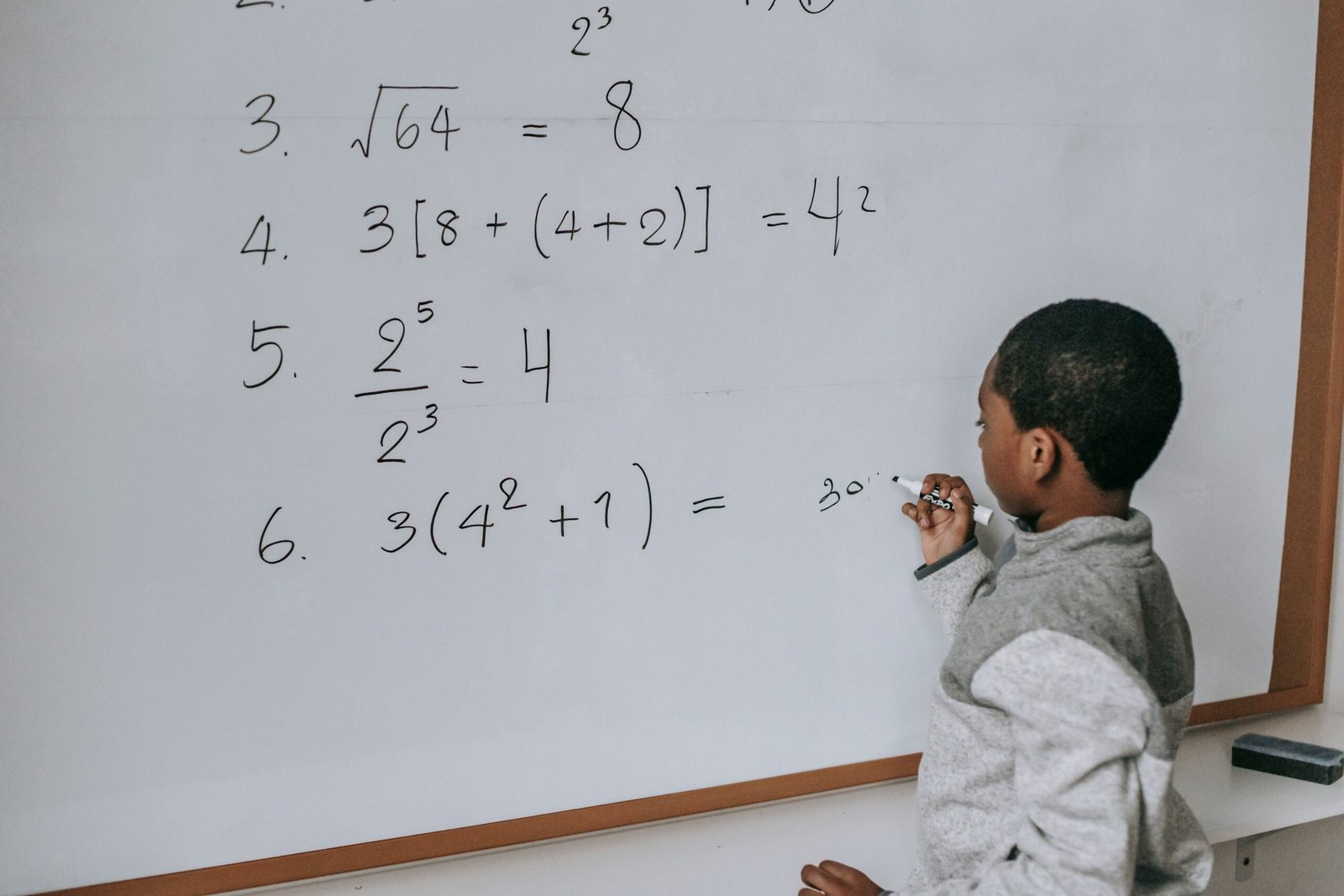
The first step in solving a Tang Math equation is to read the entire problem carefully rather than immediately performing a calculation. Identify what information is known and what quantity the problem is asking you to find. If the equation contains a variable, determine what that variable represents. For example, if you see x - 9 = 21, the objective is to find the value of x. Once the goal is clear, consider which mathematical operation can undo the operation being performed on the variable. Since nine is being subtracted from x, addition can reverse that operation. Adding nine to both sides gives x = 30. This method is more reliable than trying random calculations because it is based on the structure of the equation.

The second step is to perform the same operation on both sides of an equation when appropriate. This principle is fundamental to equation solving because an equation represents equality. If you add a number to one side, you generally need to add the same number to the other side to preserve that equality. The same idea applies when subtracting, multiplying, or dividing. For instance, consider 3x = 24. Dividing both sides by three produces x = 8. Students who understand this balance principle can solve a wide range of equations instead of memorizing separate procedures for every problem. After obtaining an answer, the final step should be to substitute the value back into the original equation and check whether both sides produce the same result.

Understanding Common Equation Types

One of the easiest ways to improve performance with Tang Math equation answers is to recognize common equation patterns. One-step addition equations, for example, can usually be solved by subtraction. If the equation is x + 12 = 25, subtracting 12 from both sides gives x = 13. One-step subtraction equations can be solved by adding the number that was subtracted. Similarly, multiplication equations such as 4x = 28 can be solved by dividing both sides by four, while division equations can often be solved through multiplication. Recognizing these patterns allows students to focus on the mathematical relationship instead of becoming distracted by the numbers.

More advanced equations may require multiple steps. Consider an equation such as 2x + 6 = 20. The first objective is to remove the constant six, so subtract six from both sides to get 2x = 14. The next step is to divide both sides by two, producing x = 7. Students should resist the temptation to perform several unrelated operations at once. Writing each step clearly makes it easier to identify mistakes and understand the reasoning. This step-by-step approach is particularly useful when checking an answer because every stage of the calculation can be reviewed independently.

Why Checking Your Tang Math Answers Matters

Checking an answer is one of the most valuable habits a student can develop. A calculation can look reasonable while still containing an arithmetic or interpretation error. Substitution provides a straightforward way to verify many equations. If you believe the answer to 2x + 6 = 20 is 7, substitute 7 for x: 2(7) + 6 = 20. Since 14 plus 6 equals 20, the solution is confirmed. If the two sides do not match, the answer needs to be reviewed. This process teaches students to evaluate their own work rather than assuming that the first answer they calculate must be correct.

Answer checking is also useful when working with word problems. In these cases, the mathematical calculation may be correct but the final answer may not match what the question actually asked. For example, a problem might ask for the total number of objects but a student may accidentally calculate the difference. Reading the question again after completing the calculation helps ensure that the result answers the intended question. This is one reason why simply searching for Tang Math equation answers is less useful than learning the reasoning behind those answers.

Common Mistakes Students Make With Equations

A frequent mistake is performing an operation on only one side of the equation. Students may correctly identify that they need to subtract a number but forget that the same operation must be applied to the other side. Another common problem is reversing an operation incorrectly. For example, if a number is added to the variable, subtraction is normally used to isolate the variable; if a number is multiplied by the variable, division can undo that multiplication. Writing down each step makes these relationships much easier to see.

Another common mistake involves negative numbers, fractions, or decimals. These values can introduce additional opportunities for calculation errors, especially when students rush through a problem. Students should pay close attention to signs and place values and avoid skipping intermediate steps when the calculation becomes more complicated. Estimation can also be useful. If an answer to a simple equation seems wildly larger or smaller than the numbers in the original problem, that may indicate that something went wrong during the calculation. A quick reasonableness check can catch many errors before the answer is submitted.

How to Use Tang Math Answers as a Learning Tool

If a student has access to a correct answer, the best use of that answer is to compare it with their own work and identify the point where their reasoning differs. Suppose a student calculates 18 but the expected result is 20. Instead of immediately replacing 18 with 20, the student should go back through each operation and determine where the discrepancy occurred. Was the original equation copied incorrectly? Was an operation reversed? Was an arithmetic calculation inaccurate? Did the student misunderstand what the question was asking? Answer comparison becomes much more educational when it leads to identifying and correcting a specific mistake.

Students can also create a small record of recurring mistakes. If they repeatedly make errors with multiplication facts, fractions, negative signs, or order of operations, they can focus their practice on that particular skill. Over time, this approach can be much more effective than repeatedly searching for Tang Math equation answers because it addresses the underlying weakness. The goal should be to reach the point where a student can solve a new equation independently and confidently, even when no answer key is immediately available.

Tips for Improving Math Accuracy and Speed

Improving mathematical performance does not necessarily mean working as quickly as possible. Accuracy should come first, because repeatedly practicing incorrect methods can reinforce mistakes. Once the basic method becomes comfortable, speed usually improves naturally. Students can begin by practicing a small group of similar equations, checking each solution carefully, and then gradually introducing different equation types. Writing organized steps is especially helpful during this stage because it creates a consistent routine that can later become faster.

Another useful strategy is to learn the relationship between inverse operations. Addition and subtraction are opposites, as are multiplication and division. Understanding these relationships allows students to mentally identify what needs to happen when isolating a variable. Students should also practice estimating and checking answers, because these habits provide an additional layer of protection against careless mistakes. Over time, combining pattern recognition, accurate calculation, and answer verification can make equation-solving activities considerably easier.

Conclusion

Learning how to approach Tang Math equation answers is more valuable than simply locating a final number. Equations become much easier when students understand the relationship between the two sides, identify the operation affecting the unknown value, use inverse operations to isolate that value, and check the result against the original equation. This process creates a reliable mathematical framework that can be applied to simple arithmetic equations as well as more advanced problems involving multiple steps, fractions, decimals, and variables.

Students who use answers responsibly can turn them into an important learning resource. Rather than copying a solution, they can attempt the problem first, compare their result with the expected answer, locate any mistake, and repeat the process until they understand the method. With consistent practice and careful checking, searching for Tang Math equation answers can become part of a broader learning strategy focused on understanding, accuracy, and mathematical confidence.

Frequently Asked Questions

What are Tang Math equation answers?

Tang Math equation answers are solutions to equations or mathematical problems associated with Tang Math activities or related practice. The exact answer depends on the specific problem being solved, so students should use the actual equation when looking for help.

How can I solve a Tang Math equation?

Start by identifying the unknown value and the operation affecting it. Use the inverse operation to isolate the unknown, perform the same operation on both sides when necessary, and then substitute the answer back into the original equation to check it.

Should I use an answer key to solve math problems?

An answer key is most useful for checking your work after attempting the problem yourself. Comparing your solution with the correct answer can help you identify mistakes and understand which part of your method needs improvement.

Why is my equation answer different from the expected answer?

A different answer can result from an arithmetic mistake, using the wrong inverse operation, failing to apply an operation to both sides, or misunderstanding the question. Work through each step carefully and substitute your answer into the original equation to find the problem.

How can I get better at solving equations?

Regular practice, learning inverse operations, writing clear steps, and checking every solution can significantly improve equation-solving skills. Instead of memorizing individual answers, focus on recognizing the mathematical pattern behind each type of equation.

What is the best way to check an equation answer?

Substitution is one of the simplest methods. Replace the variable with your proposed answer and calculate both sides of the original equation. If both sides have the same value, your solution satisfies the equation.

Continue Reading

Blog

Eskute C100-BK-SS: Complete Guide, Features, Design and Buying Tips

Published

on

Eskute C100-BK-SS

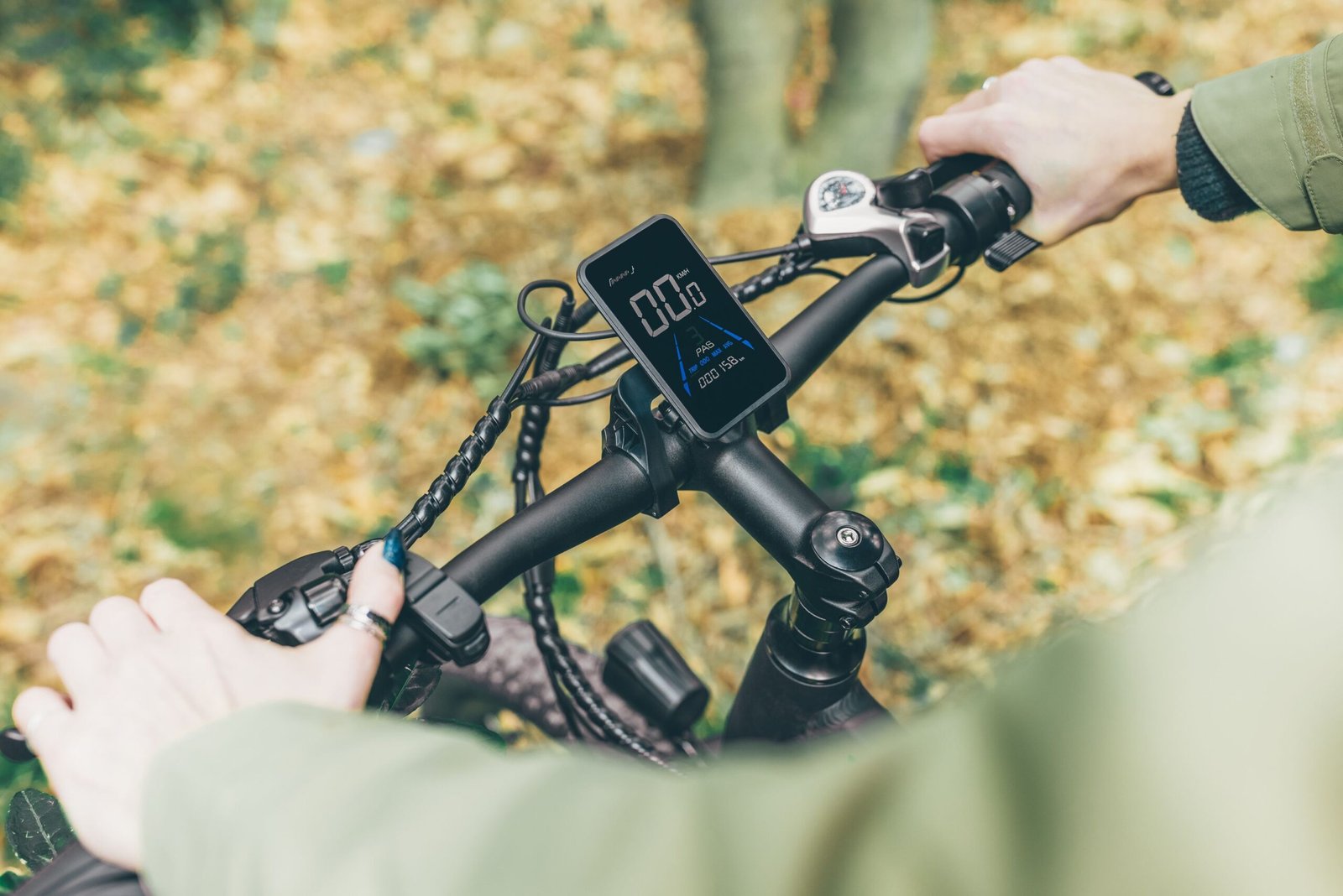
The Eskute C100-BK-SS is a product/model reference that shoppers may encounter while researching Eskute electric bicycles and related cycling products. For buyers, finding the correct information can sometimes be difficult when a model is identified by a specific product code rather than a commonly used marketing name. That is why understanding the eskute c100-bk-ss reference, identifying the correct version, checking the available specifications, and comparing the bike with your personal riding requirements are important steps before making a purchase. Rather than relying only on a product name or a photograph, buyers should verify the official model information, equipment, compatibility, warranty terms, and availability for their particular market.

Eskute is known for electric bicycles designed around practical everyday cycling, and its product range can appeal to commuters, recreational riders, and people looking for an alternative to conventional transportation. However, specifications can vary considerably between individual models and regional versions. For anyone searching specifically for the Eskute C100-BK-SS, the most useful approach is therefore to treat the model code as an identification reference and verify the exact configuration before purchasing. This guide explains what shoppers should look for, how to evaluate an Eskute electric bike, which specifications matter most, and what questions should be answered before placing an order.

What Is the Eskute C100-BK-SS?

The eskute c100-bk-ss keyword appears to identify a particular Eskute product configuration or model reference. The letters and numbers in a product code can sometimes distinguish a frame color, configuration, market version, stock-keeping unit, or other product variation. Because a code alone does not necessarily provide enough information to establish every technical specification, buyers should not assume that two similarly named Eskute products have identical components. The safest way to identify the C100-BK-SS is to match the complete model code against the manufacturer’s product information, retailer listing, product label, owner’s manual, or other documentation supplied with the bicycle.

This distinction is especially important when shopping online. Product listings can contain abbreviated model names, retailer-specific descriptions, or photographs that do not always communicate every component clearly. If you are comparing the Eskute C100-BK-SS with another electric bike, focus on verified specifications rather than simply comparing the model names. Important details include the motor system, battery specification, charging equipment, drivetrain, braking system, wheel and tire configuration, frame design, rider capacity, dimensions, included accessories, warranty, and availability of replacement parts. These details ultimately determine whether a particular configuration is suitable for your intended use.

Eskute C100-BK-SS Design and Everyday Appeal

One of the biggest reasons people consider an electric bicycle is convenience. An e-bike can make regular cycling more accessible by providing electric assistance when the rider needs it, particularly during longer journeys, headwinds, or climbs. A well-designed electric bicycle should therefore balance comfort, practicality, stability, and ease of operation rather than focusing on a single specification. When evaluating the Eskute C100-BK-SS, buyers should pay attention to the overall frame design and riding position, because these factors can have a significant impact on comfort during daily use.

The physical design also affects how convenient the bicycle is to store, transport, and maintain. Before buying, consider where the bike will be kept, whether it needs to be carried up stairs, how much storage space is available, and whether a suitable charging location is accessible. These practical considerations are often overlooked when shoppers focus exclusively on battery capacity or motor specifications. An electric bicycle that looks attractive on a product page may still be inconvenient if its size, weight, or configuration does not fit the rider’s environment.

Key Specifications to Check

When researching the Eskute C100-BK-SS, specifications should be one of the first areas to investigate. Start with the motor because the motor system influences how the bike behaves under electric assistance. Look for the manufacturer’s stated motor rating, assistance characteristics, control system, and any applicable regional restrictions. Do not rely on generic claims such as “powerful motor” because these descriptions do not provide enough information to compare one electric bike with another accurately.

The battery is equally important. Check the battery’s stated voltage and capacity, charging method, removable or integrated design, estimated charging time, and replacement availability. Claimed riding range should also be interpreted carefully because real-world range can change significantly depending on rider weight, terrain, temperature, riding speed, assistance level, tire pressure, wind, and battery condition. A manufacturer’s range estimate should therefore be treated as a reference rather than a guarantee of how far every rider will travel on one charge.

Other specifications deserve equal attention. The braking system affects stopping performance and rider confidence, while the drivetrain determines how effectively the bicycle can be pedaled when assistance is reduced or unavailable. Tires influence grip, rolling resistance, and comfort, and the frame geometry affects riding position and handling. Buyers should also check whether lights, mudguards, racks, kickstands, displays, locks, or other accessories are included or need to be purchased separately.

Eskute C100-BK-SS for Commuting

For commuters, the most important question is not simply whether the Eskute C100-BK-SS is an electric bicycle, but whether its configuration matches the journey it will be used for. A short urban commute has very different requirements from a long-distance daily ride. Someone traveling several kilometers through relatively flat streets may prioritize comfort, reliability, charging convenience, and low maintenance, while a rider facing frequent hills may place greater emphasis on the motor and battery system.

Daily commuting also makes practical equipment particularly important. Consider whether the bicycle has suitable lighting, whether it can accommodate luggage, how easily the battery can be charged, and whether replacement components are readily available. Riders should also think about weather exposure and storage. An e-bike used every day needs a realistic maintenance routine because keeping the tires properly inflated, checking the brakes, maintaining the drivetrain, and looking after the battery can all contribute to dependable performance.

Battery and Charging Considerations

Battery care is an important part of electric-bike ownership. Even when a battery is designed for regular cycling use, its performance can be influenced by charging habits, temperature, storage conditions, and age. Owners of an Eskute C100-BK-SS should follow the charging and storage instructions supplied with their particular model rather than relying on generic advice that may conflict with the manufacturer’s recommendations.

It is also worth planning your charging routine before buying. If the bike will be used for commuting, determine whether you can conveniently charge it at home or at another suitable location. If the battery is removable, confirm how easy it is to remove and whether its size and weight are manageable. If it is integrated into the frame, understand how charging is performed and whether the bicycle needs to be positioned near a suitable electrical outlet.

Riding Comfort and Handling

Comfort can make a major difference to the ownership experience. Even a technically capable electric bicycle may become frustrating if the riding position, saddle, handlebars, or frame dimensions do not suit the rider. When researching the Eskute C100-BK-SS, check the recommended rider height range and available frame information whenever those details are provided by the manufacturer. A proper fit can improve control, reduce fatigue, and make everyday rides considerably more enjoyable.

Handling is also influenced by wheel size, tires, frame geometry, suspension equipment if fitted, and overall bicycle weight. Urban riders may appreciate predictable steering and stable handling, while recreational riders may place more emphasis on comfort over uneven surfaces. Rather than assuming that one configuration is ideal for everyone, compare the bike’s specifications with the type of roads and paths you expect to use.

Maintenance and Long-Term Ownership

Buying an electric bicycle is only the beginning of ownership. Regular maintenance helps preserve both safety and performance. Tires should be inspected and inflated according to the recommended pressure, brakes should be checked regularly, and the drivetrain should be kept clean and appropriately lubricated. Electrical components should be protected according to the manufacturer’s instructions, and unusual noises, warning messages, or changes in battery behavior should not be ignored.

For the Eskute C100-BK-SS, buyers should also investigate parts and service availability before purchasing. Ask whether replacement batteries, chargers, brake components, tires, drivetrain parts, and other model-specific components are available in the region where the bike will be used. A lower purchase price may become less attractive if obtaining essential replacement parts is difficult later. Warranty coverage is another important consideration, particularly for electrical components that can be more expensive to replace than ordinary bicycle parts.

What to Consider Before Buying the Eskute C100-BK-SS

Before purchasing the Eskute C100-BK-SS, create a checklist based on how you actually intend to use the bicycle. First, confirm the exact model and configuration. Next, verify the motor and battery specifications from a reliable source. Then check the frame size, rider suitability, braking system, tire configuration, included accessories, warranty, delivery conditions, and availability of replacement parts. Finally, compare the complete package with at least two or three competing electric bicycles rather than judging the product by its advertised headline specifications alone.

Price should also be considered in context. The cheapest e-bike is not necessarily the best value, particularly if it has limited support or expensive replacement components. Conversely, paying more does not automatically guarantee a better riding experience. The best purchase is generally the bicycle that provides the combination of specifications, comfort, reliability, support, and features that match your actual requirements.

Eskute C100-BK-SS: Pros and Potential Limitations

A potential advantage of researching a specific model such as the Eskute C100-BK-SS is that buyers can focus on the exact configuration instead of making a decision based on the broader Eskute brand alone. This allows you to verify the equipment fitted to the particular bicycle and determine whether it is appropriate for commuting, leisure riding, or another purpose. Eskute’s focus on electric bicycles can also make its products worth considering for riders who want electric assistance while retaining the basic experience of cycling.

The main limitation is that model-code information can sometimes be difficult to interpret without a complete product listing or manufacturer documentation. Specifications may differ between versions, markets, and production periods, so assumptions can lead to inaccurate comparisons. For this reason, prospective buyers should verify the exact Eskute C100-BK-SS configuration before relying on specifications found in third-party listings. This is particularly important for battery, motor, charging, warranty, and legal classification information.

How to Choose the Right Eskute Electric Bike

Choosing an Eskute electric bike should begin with your intended riding environment. If your priority is commuting, focus on comfort, reliability, battery convenience, practical equipment, and service support. If you mainly want recreational rides, consider riding position, tire configuration, handling, comfort, and the terrain you expect to encounter. For hilly routes, investigate the motor and assistance system carefully, while riders covering longer distances should pay particular attention to battery capacity and realistic range.

It is also sensible to compare the exact configuration rather than just the brand name. Two Eskute bicycles can have significantly different designs and specifications even though they share the same manufacturer. The Eskute C100-BK-SS should therefore be evaluated on its own verified specifications and suitability for your riding needs. Taking this approach can help prevent common buying mistakes and ensure that the bicycle you choose is appropriate for your daily routine.

Conclusion

The Eskute C100-BK-SS is a model reference that deserves careful verification when researching Eskute electric bicycles. Because exact product codes can represent specific configurations, buyers should confirm the model’s official specifications before making assumptions about its motor, battery, range, dimensions, equipment, or performance. A careful comparison should cover not only headline specifications but also comfort, braking, charging, maintenance, warranty coverage, replacement parts, and suitability for the intended riding environment.

Ultimately, the best way to evaluate the Eskute C100-BK-SS is to look at the complete ownership experience. Verify the exact configuration, understand the battery and motor system, assess whether the frame and riding position suit you, and investigate after-sales support before purchasing. By combining verified specifications with your own commuting or recreational requirements, you can make a much more informed decision and determine whether this Eskute electric bike is the right choice for you.

Frequently Asked Questions About Eskute C100-BK-SS

What is the Eskute C100-BK-SS?

The Eskute C100-BK-SS appears to be a specific Eskute product/model reference. Because product codes can identify particular configurations or market versions, buyers should verify the exact model documentation before relying on specifications.

Is the Eskute C100-BK-SS an electric bike?

The keyword appears to relate to an Eskute bicycle product, but the exact configuration should be confirmed through the manufacturer’s documentation or the seller’s complete product listing before publishing or purchasing based solely on the model code.

What should I check before buying an Eskute C100-BK-SS?

Check the exact motor, battery, charger, braking system, frame size, tires, weight, included accessories, warranty, replacement-part availability, and local legal requirements. These details are more useful than relying on the product name alone.

How far can the Eskute C100-BK-SS travel on one charge?

The correct range depends on the exact battery and motor configuration and should be taken from verified product documentation. Real-world range can also vary according to terrain, rider weight, speed, assistance level, weather, tire pressure, and battery condition.

Is the Eskute C100-BK-SS suitable for commuting?

It may be suitable depending on its exact configuration and your commute. Before buying, consider the distance, terrain, charging access, storage, comfort, luggage requirements, and availability of local service and replacement parts.

Where can I find accurate Eskute C100-BK-SS specifications?

The best starting point is the manufacturer’s documentation or an authorized seller’s complete listing for the exact model code. If specifications differ between websites, use the documentation associated with the exact product configuration as the primary reference.

Is the Eskute C100-BK-SS worth buying?

Whether it is worth buying depends on its verified specifications, price, warranty, availability of support, and how well it matches your intended use. Comparing the complete package against competing electric bikes is the best way to judge its value.

Continue Reading

Trending