news
Alamance News: Your Trusted Source for Local News, Community Stories, and Reliable Journalism


Your Trusted Source for Local News, Community Stories, and Reliable Journalism
Introduction
In today’s digital world, people have access to news from thousands of websites, social media platforms, and online publications. However, when it comes to understanding what is happening in your own community, local journalism remains one of the most valuable sources of information. Residents depend on accurate local reporting to stay informed about government decisions, school updates, business developments, public safety, sports, and community events. Alamance News has become an important source of local journalism by focusing on stories that directly affect the people and businesses within the communities it serves.
Unlike large national media organizations that primarily cover global or nationwide events, Alamance News is dedicated to delivering detailed reporting on regional issues and local developments. From county government meetings and public policy updates to school achievements and neighborhood events, the publication helps readers remain connected with their community. Through both print and digital platforms, Alamance News continues to provide timely reporting while adapting to the changing ways people consume news. This guide explores the history, features, benefits, and growing importance of Alamance News while explaining why local journalism continues to play a vital role in modern society.
What Is Alamance News?
Alamance News is a local newspaper and digital news publication focused on providing comprehensive coverage of events, issues, and developments within Alamance County. Its mission is to deliver factual, balanced, and community-centered reporting that helps residents understand the topics affecting their daily lives. The publication covers a broad range of subjects, including local government, education, business, healthcare, public safety, economic development, sports, entertainment, and community activities.
One of the defining characteristics of Alamance News is its commitment to reporting stories that may receive limited attention from national media outlets. By focusing on regional news and community interests, the publication strengthens public awareness while encouraging civic participation. Readers can rely on the newspaper for both breaking news and in-depth reporting that provides context and insight into local issues.
The History and Mission of Alamance News
Local newspapers have long served as the foundation of informed communities, and Alamance News continues this tradition by emphasizing accuracy, accountability, and public service. Over time, the publication has expanded its reach by embracing digital technology while maintaining the editorial standards expected of a trusted news organization.
Its mission extends beyond simply reporting headlines. Alamance News seeks to educate readers, encourage public discussion, and provide a reliable platform for sharing information about community achievements, public meetings, elections, infrastructure projects, and important local developments. This dedication to responsible journalism has helped build trust among readers who value dependable local reporting.
Why Local Journalism Matters
Local journalism plays a crucial role in keeping communities informed and engaged. Newspapers like Alamance News help residents understand how decisions made by local governments, school boards, and public agencies impact their everyday lives. Access to accurate local reporting enables citizens to participate in elections, attend public meetings, and stay informed about policies that influence their neighborhoods.
Beyond government reporting, local journalism celebrates community successes, highlights nonprofit initiatives, supports local businesses, and shares stories about individuals making a positive difference. These reports strengthen community identity and create meaningful connections between residents.
News Categories Covered by Alamance News
Alamance News offers readers comprehensive coverage across multiple topics. Breaking news keeps residents informed about significant events as they happen, while political reporting explains local government decisions and public policy changes. Education coverage highlights school achievements, district updates, and educational initiatives that affect students and families.
The publication also reports on business growth, economic development, healthcare updates, crime reports, weather alerts, community events, and cultural activities. This broad range of reporting ensures that readers receive well-rounded coverage of the issues shaping their communities.
Digital Access and Online Features
The digital edition of Alamance News allows readers to stay informed wherever they are. Articles can be accessed through computers, smartphones, and tablets, making local journalism more convenient than ever. Online readers often benefit from searchable archives, multimedia content, photographs, and timely updates that complement the traditional print edition.
Digital publishing also enables faster reporting during emergencies, severe weather events, and breaking news situations. Readers receive important information quickly while maintaining access to trusted reporting.
Subscription Benefits
Subscribing to Alamance News supports independent local journalism while providing readers with access to premium reporting and exclusive content. Subscribers may receive benefits such as unlimited article access, digital archives, newsletters, and home delivery of print editions where available.
Supporting local newspapers through subscriptions helps sustain investigative reporting, community coverage, and editorial independence, ensuring that important local stories continue to be reported.
Sports Coverage
Sports remain an essential part of community life, and Alamance News provides extensive coverage of local athletic events. High school football, basketball, baseball, softball, soccer, and other sports receive regular attention through game summaries, player profiles, rankings, interviews, and championship coverage.
By highlighting student-athletes and community teams, the newspaper celebrates local achievements while preserving the history of regional sports.
Business and Economic Development
Local businesses play a significant role in community growth, and Alamance News regularly reports on new business openings, economic trends, employment opportunities, and commercial development. These stories help residents understand the changing local economy while providing valuable exposure for entrepreneurs and small businesses.
Business reporting also covers infrastructure investments, workforce initiatives, and regional development projects that contribute to long-term economic success.
Community Events and Public Notices
Community engagement is another important aspect of Alamance News. The publication informs readers about festivals, charity events, nonprofit activities, cultural celebrations, and public meetings. Public notices provide transparency regarding government actions, zoning proposals, legal announcements, and other official matters affecting residents.
These sections strengthen civic participation by ensuring that important public information remains easily accessible.
The Future of Alamance News
As technology continues to transform the news industry, Alamance News is well-positioned to expand its digital offerings while preserving the values of traditional journalism. Future developments may include enhanced multimedia storytelling, podcasts, personalized newsletters, mobile applications, and interactive community features.
Despite technological innovation, the publication’s commitment to accurate reporting, ethical journalism, and community service will remain central to its mission.
Conclusion
Alamance News continues to demonstrate why local journalism is essential in today’s rapidly changing media landscape. By delivering reliable reporting on government, education, business, sports, community events, and public affairs, the publication helps residents stay informed about the issues that directly impact their lives. Its combination of experienced journalism and modern digital accessibility ensures that readers have convenient access to trustworthy local information whenever they need it.
As communities continue to grow and evolve, the value of credible local reporting becomes even more significant. Supporting publications like Alamance News helps preserve independent journalism, strengthens civic engagement, and ensures that local stories remain an important part of public conversation for years to come.
Frequently Asked Questions (FAQs)
1. What is Alamance News?
Alamance News is a local newspaper and digital publication that provides coverage of government, business, education, sports, public safety, and community events.
2. Does Alamance News have an online edition?
Yes. Readers can access news and other content through its digital platform.
3. What type of stories does Alamance News publish?
It publishes local news, political coverage, business updates, sports, editorials, community stories, public notices, and more.
4. Can I subscribe to Alamance News?
Yes. Subscription options typically provide access to print editions, digital content, or both, depending on the publisher’s offerings.
5. Why is local journalism important?
Local journalism informs residents about issues affecting their communities, promotes transparency, and encourages civic engagement.
6. Does Alamance News cover local sports?
Yes. The publication regularly reports on local schools, athletic events, player achievements, and championships.
7. Who benefits from reading Alamance News?
Residents, business owners, students, educators, community leaders, and anyone interested in local developments can benefit from its coverage.
8. How does Alamance News support the community?
It supports the community by delivering reliable information, highlighting local achievements, promoting public awareness, covering important public meetings, and providing a platform for community voices.

news
Unlocking the Mysteries of Life, Death, and Aging: The Definitive Guide to Science Writer Sue Armstrong
Introduction
“What are the roots that clutch, what branches grow / Out of this stony rubbish?” T.S. Eliot’s monumental poem “The Waste Land” opens with one of the most arresting and perplexing lines in all of modern literature: “April is the cruellest month.” For readers steeped in the tradition of poets like Chaucer, who celebrated April as the time “with his shoures soote / The droghte of March hath perced to the roote,” this declaration feels like a deliberate provocation. Spring, after all, is supposed to represent hope, renewal, and the triumphant return of life to a dormant world. So why would a poet of Eliot’s stature label April—the very herald of spring—as cruel? The answer lies not in a rejection of spring’s beauty, but in a profound meditation on what rebirth truly costs. The cruelty of April, as Eliot conceives it, is the cruelty of forced awakening, of being stirred from the “forgetful snow” of winter and compelled to confront memory, desire, and the often painful process of spiritual and societal renewal.
The Genesis of the Phrase: Eliot’s “The Waste Land”
To understand the “cruelest month,” we must first journey back to 1922, the year Eliot published “The Waste Land,” a poem often hailed as one of the most significant works of the 20th century. Written in the shadow of the First World War, the poem is a fragmented, disillusioned portrait of a civilization in crisis. The opening lines of its first section, “The Burial of the Dead,” set the tone for this desolate landscape:
“April is the cruellest month, breeding / Lilacs out of the dead land, mixing / Memory and desire, stirring / Dull roots with spring rain.”
These four lines are a masterclass in poetic economy and tension. The very word “breeding,” when paired with “cruelest,” creates an immediate paradox. In nature, breeding is the act of producing offspring, a positive and life-affirming process. Yet here, it is the engine of cruelty. April is cruel not because it brings death, but because it brings life in a context where life has become unbearable. The poem makes it clear that life in the Waste Land—spiritually barren and emotionally dead—has the advantage of being painless; winter, in this view, “kept us warm, covering / Earth in forgetful snow”. Inertia and numbness are a form of comfort, a protection from the harsh realities of existence. Spring violently shatters that comfort, forcing the “dull roots” to stir with “memory and desire”. This is the agony of rebirth: the trauma of being wrenched from a safe, if lifeless, stasis and being made to feel again, to remember, and to confront a future that may not offer salvation. For Eliot and his post-war contemporaries, the prospect of renewal was as terrifying as the prospect of decay, because renewal demanded an honest confrontation with the “heap of broken images” that modern life had become.
Beyond the Poem: Cultural and Literary Echoes
The power of Eliot’s phrase has proven so potent that it has transcended the poem itself, seeping into popular culture and being reinterpreted in various contexts. For instance, the Academy of American Poets has famously capitalized on one particularly American interpretation of the line, distributing free copies of “The Waste Land” at post offices on April 15th—Tax Day. For many, the cruelest day of the cruelest month is the day the tax bill comes due. This playful but apt application shows how the phrase can be detached from its original, profound psychological and spiritual context and be used to express a more mundane, relatable form of suffering.
Intriguingly, the “cruelest month” label has also been applied to months other than April. An ecologist writing for the Cary Institute of Ecosystem Studies has argued for June as a strong contender for the title. In June, the “slaughter of April’s innocents” is in full swing: baby fish, birds, and rabbits, born in the hopeful days of spring, face a gauntlet of predators, disease, and accident. The heartless arithmetic of nature demands that deaths balance births, making the month when these deaths become most visible the “cruelest.”
Even the world of education has laid claim to the phrase. An English teacher lamented that September is “the cruelest month” for educators. With each new academic year comes the “romance of transformation,” the hope that the new season will magically turn bored students into curious scholars, “beetles can become butterflies”. The cruelty lies in the inevitable disappointment when May arrives and “too often means cannot; not many crape myrtles become camellias”. This highlights another layer of the term: the cruelty of unfulfilled promises.
Thematic Analysis: Why Rebirth is Painful
At its core, the enduring fascination with “the cruelest month” stems from its profound insight into the human condition: that renewal, transformation, and growth are inherently painful processes. Eliot’s use of the phrase is deeply ironic, playing against the traditional springtime associations of joy and fertility. It underscores the fact that we are “born to trouble,” and that the journey from a state of spiritual or emotional winter into a new season of life requires confronting death—the death of old habits, comfortable illusions, and the safe oblivion of forgetfulness. This is why the “cruelest month” concept can be applied to personal experiences, such as the end of a relationship, a career change, or any period of forced transition.
Furthermore, the phrase serves as a powerful symbol of the modern condition, a theme central to Eliot’s “The Waste Land.” The poem suggests that modern civilization itself is a “waste land”—a sterile, fragmented place where faith is lost and meaning is elusive. In such a context, the natural cycles of the seasons become a cruel mockery. The world continues to promise life and renewal, but it is a promise it cannot fulfill for a spiritually bankrupt society. The lilacs may “breed” out of the dead land, but they do so only to “mix / Memory and desire,” forcing the inhabitants of the waste land to remember a past of innocence or faith and desire a future they cannot attain. Thus, April’s cruelty is its reminder of what has been lost and what may never be regained.
Conclusion
“The cruelest month” is far more than a clever, contrarian opening to a famous poem. It is a powerful and resonant symbol that has captured the modern imagination because it speaks to a universal truth about the nature of change. Whether it is the psychological torment of being stirred from the “forgetful snow” of a safe, numb existence, the biological brutality of nature’s arithmetic in June, or the professional disappointment of an academic year that fails to deliver on its promise of transformation, the idea resonates because we all understand that growth and rebirth are not gentle processes. The “cruelest month” challenges us to see that the pain of awakening is an essential part of life itself, and that the promise of spring is also a threat. It forces us to look at the “dead land” and, from its “stony rubbish,” find the roots that might, perhaps, eventually grow.
Frequently Asked Questions (FAQ)
What does “April is the cruellest month” mean?
The phrase means that the arrival of spring is painful because it awakens people from the numbness of winter, forcing them to confront painful memories and desires. In the context of T.S. Eliot’s “The Waste Land,” it represents the agony of rebirth and the difficulty of spiritual renewal in a modern world that feels barren and disillusioned.
What is the source of “April is the cruelest month”?
The line is the opening of T.S. Eliot’s landmark 1922 modernist poem, “The Waste Land.” It appears in the first section of the poem, titled “The Burial of the Dead”.
Why does T.S. Eliot say April is the cruelest month?
Eliot’s statement is a deliberate inversion of the traditional, positive view of spring found in poets like Chaucer. He saw April as cruel because it stirs “dull roots with spring rain,” forcing life and feeling onto a landscape and a people who had become spiritually dead after World War I. The pain of awakening and the “mixing / Memory and desire” is worse than the comfortable numbness of winter.
Is the phrase “April is the cruelest month” about the weather?
While April’s famously unpredictable weather plays a role, the phrase is primarily metaphorical. It speaks to emotional, spiritual, and psychological turmoil rather than just the frustration of a cold, rainy spring day. It is about the cruelty of being forced to feel and hope in a world that offers little solace.
Has “the cruelest month” been used to describe other months?
Yes, the phrase has been creatively adapted. Some ecologists argue that June is the cruelest month due to the high mortality rate of young animals born in the spring. A teacher famously wrote that September is “the cruelest month” for educators, as it represents the hope of a new school year that often ends in disappointment.
Introduction
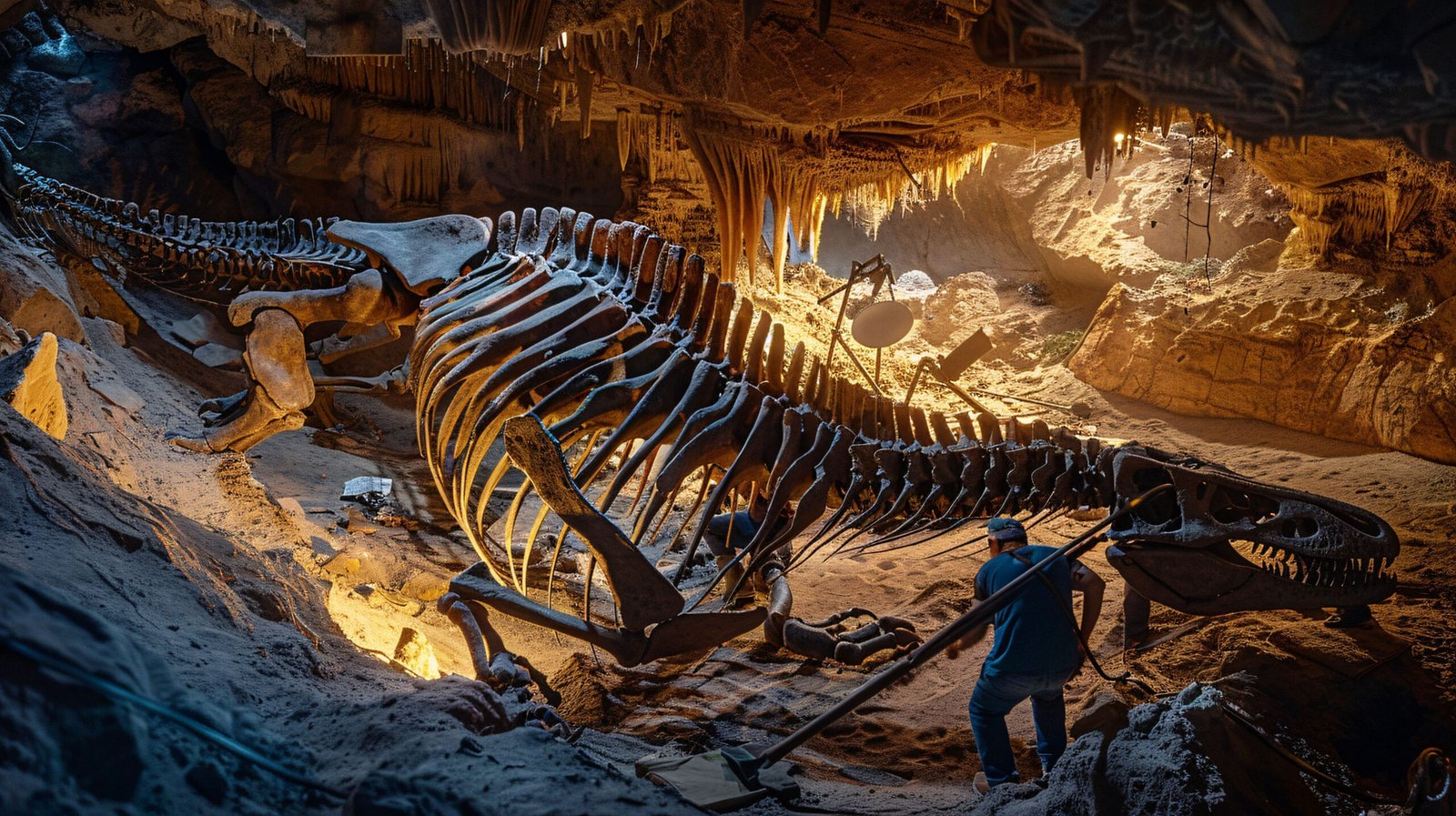
The history of life on Earth stretches back billions of years, and much of what scientists know about ancient plants, animals, and ecosystems comes from the study of fossils. An Anthology of Fossils serves as a fascinating exploration of these preserved traces of prehistoric life, bringing together the stories hidden within rocks, sediment, amber, and ice. Fossils act as natural records that help researchers understand evolution, climate change, extinction events, and the development of life across different geological eras. Whether you are a student, educator, fossil enthusiast, or simply curious about Earth’s distant past, learning about fossils provides valuable insight into how our planet has changed over millions of years. This comprehensive guide explains fossil formation, the major fossil types, their scientific importance, and the remarkable discoveries that continue to reshape our understanding of natural history.
What Is An Anthology of Fossils?
The phrase “An Anthology of Fossils” can be understood as a comprehensive collection or exploration of fossil-related knowledge, bringing together examples, discoveries, scientific explanations, and historical perspectives. Rather than focusing on a single specimen, an anthology presents a broad overview of fossils from different periods, environments, and life forms. It allows readers to appreciate the diversity of preserved organisms and the role fossils play in reconstructing Earth’s biological and geological history.
What Are Fossils?
Fossils are the preserved remains, impressions, or traces of organisms that lived in the distant past. They may include bones, teeth, shells, leaves, footprints, burrows, pollen, or even microscopic organisms. Most fossils are found in sedimentary rocks, where layers of sediment gradually bury and protect organic material from rapid decay. Over long periods, geological processes transform these remains into mineralized records that scientists can study.
Because fossilization is relatively rare, each fossil provides a unique glimpse into ancient ecosystems and helps fill gaps in the history of life.
How Fossils Form
Fossil formation, known as fossilization, usually begins when an organism dies and is quickly buried by sediment such as mud, sand, or volcanic ash. Rapid burial helps protect the remains from scavengers, weathering, and decomposition. Over thousands or millions of years, pressure from additional sediment and the movement of mineral-rich groundwater gradually replaces or preserves the original material. The surrounding sediment hardens into rock, creating a fossil that may eventually be exposed through erosion or geological activity.
Different fossilization processes include mineral replacement, carbonization, molds and casts, permineralization, freezing, drying, and preservation in amber.
Major Types of Fossils
Body Fossils
Body fossils preserve parts of an organism itself, such as bones, teeth, shells, feathers, wood, or leaves. These fossils provide valuable anatomical information that helps scientists classify extinct species and compare them with living organisms.
Trace Fossils
Trace fossils record the activities of ancient organisms rather than their physical remains. Examples include footprints, nests, burrows, feeding marks, and trails. These fossils help researchers understand behavior, movement, and interactions within prehistoric ecosystems.
Mold and Cast Fossils
When an organism decomposes after leaving an impression in sediment, a mold fossil forms. If minerals later fill that impression, a cast fossil develops, creating a three-dimensional replica of the original organism.
Carbon Films
Carbonization preserves a thin layer of carbon left behind after volatile elements disappear. Plant fossils are often preserved through this process, revealing fine details of leaves and stems.
Petrified Fossils
Petrification occurs when minerals gradually replace organic tissues while maintaining their original structure. Petrified wood is one of the best-known examples of this type of fossil preservation.
Why Fossils Are Important
Fossils provide some of the strongest evidence for biological evolution and Earth’s changing environments. They allow scientists to identify extinct species, trace evolutionary relationships, reconstruct ancient climates, and estimate the ages of geological formations. Fossils also reveal how ecosystems responded to environmental changes over millions of years, offering valuable insights that can inform modern scientific research.
Beyond science, fossils inspire public interest in natural history and encourage conservation of important geological sites.
Famous Fossil Discoveries
Throughout history, fossil discoveries have transformed scientific understanding. Well-preserved dinosaur skeletons, ancient marine organisms, early mammals, and fossilized plants have helped researchers reconstruct entire ecosystems. Discoveries of feathered dinosaurs have strengthened evidence for the evolutionary relationship between certain dinosaurs and modern birds, while exceptionally preserved fossils found in amber have revealed ancient insects, spiders, and even microscopic organisms.
Each major discovery contributes another chapter to the story of life on Earth.
The Role of Paleontology
Paleontology is the scientific study of fossils and ancient life. Paleontologists investigate fossil specimens, geological layers, and environmental evidence to understand how organisms evolved, interacted, and adapted over time. Their work combines biology, geology, chemistry, and ecology, making paleontology an interdisciplinary field that continues to produce exciting discoveries.
Modern technologies such as CT scanning, digital imaging, and 3D modeling have significantly expanded researchers’ ability to study fossils without damaging fragile specimens.
Fossils and Education
Fossils play a vital role in science education because they help students visualize Earth’s long history and understand concepts such as evolution, extinction, adaptation, and geological time. Museums, natural history exhibits, and educational field trips provide opportunities for learners to observe authentic fossil specimens and appreciate the diversity of prehistoric life.
Interactive exhibits and digital resources have made fossil education more accessible than ever before.
How Fossils Help Us Understand Climate Change
Ancient fossils preserve evidence of past climates, ocean conditions, and ecosystems. By studying fossilized plants, pollen, corals, and marine organisms, scientists can reconstruct historical climate patterns and compare them with present-day environmental changes. This long-term perspective improves understanding of natural climate variation and helps researchers evaluate current ecological trends.
Ethical Fossil Collecting
Responsible fossil collecting involves respecting local laws, protecting scientifically significant sites, and documenting discoveries accurately. Many countries regulate fossil excavation to preserve important specimens for scientific research and public education. Amateur collectors can contribute positively by reporting notable finds to museums or research institutions rather than removing valuable specimens without documentation.
Future of Fossil Research
New excavation techniques, advanced imaging technologies, and collaborative international research continue to reveal remarkable discoveries about Earth’s prehistoric past. As scientists explore previously inaccessible regions and analyze fossils using innovative methods, future generations are likely to gain an even deeper understanding of ancient biodiversity and planetary evolution.
Conclusion
An Anthology of Fossils represents a journey through Earth’s extraordinary history, bringing together the preserved evidence of organisms that lived millions of years ago. From tiny fossilized microorganisms to towering dinosaur skeletons, fossils provide irreplaceable clues about evolution, extinction, environmental change, and the remarkable diversity of life that has existed on our planet. By studying fossil records, scientists reconstruct ancient ecosystems, improve our understanding of geological history, and inspire curiosity about the natural world. Whether viewed in museums, discovered during field research, or studied in classrooms, fossils continue to connect humanity with the distant past and remind us of Earth’s ever-changing story.
Frequently Asked Questions (FAQ)
1. What is an anthology of fossils?
It refers to a broad collection or comprehensive exploration of fossil-related information, discoveries, and scientific knowledge.
2. What are fossils?
Fossils are preserved remains, impressions, or traces of ancient organisms found primarily in sedimentary rocks.
3. How do fossils form?
Most fossils form when organisms are rapidly buried by sediment and gradually preserved through geological processes over long periods.
4. What are the main types of fossils?
The major types include body fossils, trace fossils, mold fossils, cast fossils, carbon films, and petrified fossils.
5. Why are fossils important?
Fossils provide evidence of evolution, extinct species, ancient climates, and Earth’s geological history.
6. What is paleontology?
Paleontology is the scientific study of fossils and prehistoric life.
7. Where are fossils commonly found?
Most fossils are discovered in sedimentary rock formations, although some are preserved in amber, ice, or tar.
8. Can anyone collect fossils?
Regulations vary by location. Always follow local laws and respect protected fossil sites to preserve scientifically important specimens.

Aluminum Fence Installation: A Complete Step-by-Step Guide

Tang Math Equation Answers: A Complete Guide to Solving Problems Step by Step

Eskute C100-BK-SS: Complete Guide, Features, Design and Buying Tips

Basket Random Unblocked: The Ultimate Guide to the Chaotic Basketball Game Everyone Loves in 2026

EzClasswork: A Complete Guide to Understanding the Online Learning Platform, Features, Benefits, and Educational Impact

Queen’s Feast Charlotte Restaurant Week: A Complete Guide for Food Lovers
 game3 months ago
Basket Random Unblocked: The Ultimate Guide to the Chaotic Basketball Game Everyone Loves in 2026
- game3 months ago
EzClasswork: A Complete Guide to Understanding the Online Learning Platform, Features, Benefits, and Educational Impact
- food3 months ago
Queen’s Feast Charlotte Restaurant Week: A Complete Guide for Food Lovers
- Entertainment3 months ago
Antonimar Mello: The Private Life Behind a Public Spotlight
- game3 months ago
Pixel Speedrun: The Ultimate Guide to Understanding, Playing, and Mastering the Fast-Paced Pixel Challenge
- game3 months ago
GunSpin: The Ultimate Guide to the Addictive Physics-Based Shooting Game (2026)
- Business3 months ago
Stormuring Explained: Meaning, Origins, Applications, and Why It Matters
- Fashion3 months ago
Dojen Moe: Meaning, Origins, and Why the Internet Is Talking About It in 2026