Health
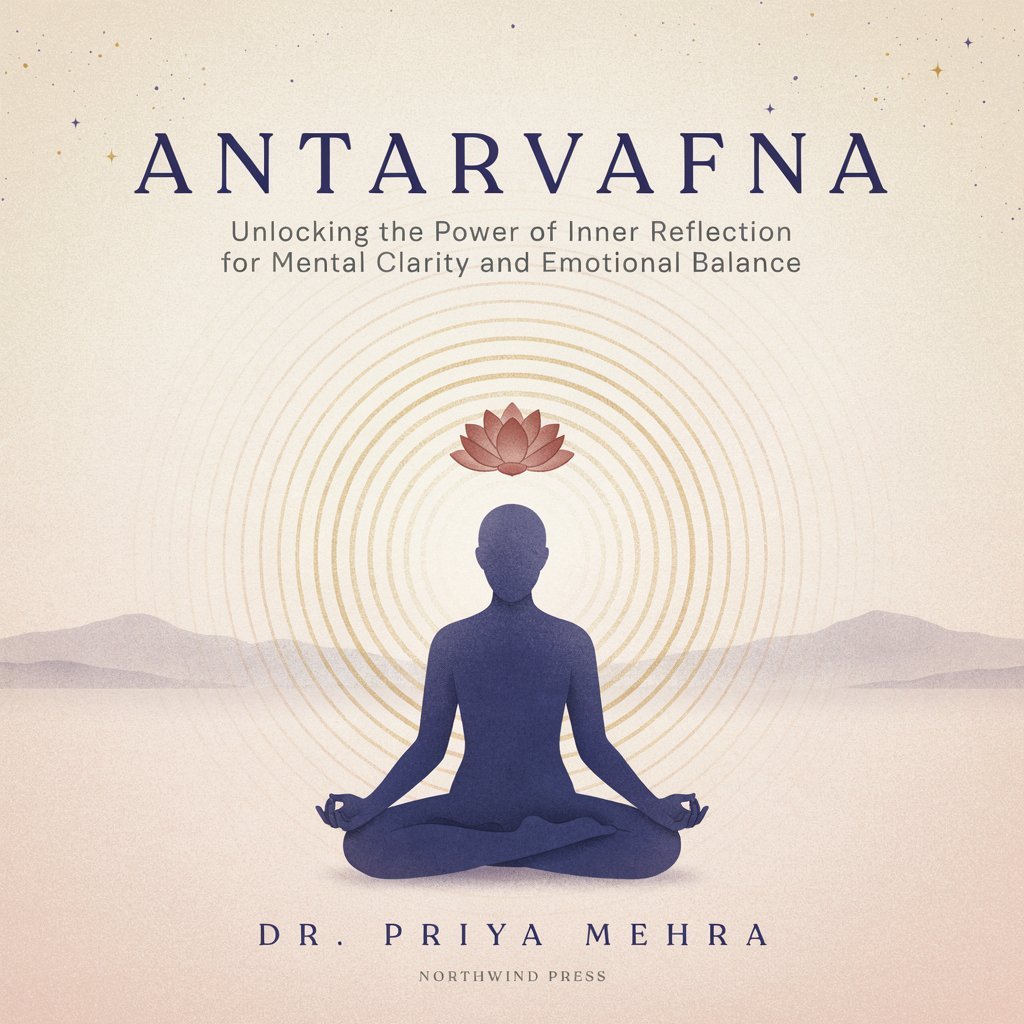
Antarvafna: Unlocking the Power of Inner Reflection for Mental Clarity and Emotional Balance

Introduction
In today’s hyperconnected world, the constant noise of notifications, social media, and external demands has left many feeling disconnected from their true selves. Studies show that a significant portion of adults report feeling mentally exhausted by midday, struggling to find moments of genuine stillness . This modern crisis of attention has created a growing need for practices that help individuals turn inward, reconnect with their thoughts, and cultivate emotional resilience. Enter Antarvafna—an ancient practice rooted in self-inquiry and inner observation that offers a powerful antidote to the chaos of contemporary life. While the term may be unfamiliar to many, its principles are timeless and profoundly relevant. Antarvafna, derived from Sanskrit roots meaning “inner” and “inquiry,” represents a conscious journey into one’s own mind, a practice of observing thoughts and emotions without judgment . Unlike traditional meditation that seeks to quiet the mind, Antarvafna encourages understanding it, offering a unique pathway to self-awareness that is both accessible and transformative . This article explores the meaning, origins, and practical applications of Antarvafna, providing you with a comprehensive guide to incorporating this powerful practice into your daily life.
What is Antarvafna Understanding the Meaning and Origins
The term Antarvafna is a fascinating concept that has been gaining traction in discussions about mindfulness, personal development, and emotional well-being. To truly understand its significance, it is helpful to break down its etymological roots and explore its origins in ancient traditions. The word is derived from two Sanskrit components: “Antar,” which translates to “inner,” “internal,” or “within,” and “Vafna,” which is associated with “inquiry,” “reflection,” or “observation” . Together, they form the idea of “inner inquiry” or “self-reflection,” a practice of looking inward to understand the workings of one’s own mind. This practice is not merely introspection in a clinical sense but is described as a warmer, more honest form of self-witnessing that emphasizes non-judgmental awareness .
The origins of Antarvafna are deeply embedded in ancient Indian spiritual traditions, including Hinduism, Buddhism, and Jainism, where self-inquiry was considered essential for both personal and spiritual development . In these traditions, sages and practitioners would spend extended periods in solitude, not as an escape from the world, but as a tool for observing the mind’s patterns, latent fears, and desires . It was viewed as a method of inner purification and a crucial step on the path toward enlightenment, serving as a bridge between uncertainty and understanding . While traditional meditation often focuses on concentration—such as focusing on the breath or a mantra—Antarvafna encourages the mind to roam freely and observe where it goes, aiming not to quiet the mind but to comprehend it . This distinction is key; meditation is a tool that can help create the inner stillness necessary for Antarvafna, while Antarvafna is the practice of using that stillness to conduct a deeper examination of oneself . Over centuries, this profound concept has evolved, maintaining its core principles while being interpreted through various spiritual and psychological lenses .
The Core Principles of Antarvafna: Inner Reflection and Self-Awareness
At its core, Antarvafna is a practice built on several foundational principles that guide individuals toward a deeper understanding of themselves. These principles are not rigid rules but rather a framework for cultivating a more mindful and authentic way of being. The first and most fundamental principle is self-awareness, which involves recognizing and understanding one’s own thoughts, emotions, and behaviors without judgment . This process is about noticing what is happening inside you—becoming aware of your feelings, your internal dialogues, and the narratives you tell yourself—and simply observing them as they are. This non-judgmental observation is crucial, as it shifts the practice from self-criticism to simple witnessing . The goal is not to change or suppress these internal experiences but to see them clearly, creating a space between the observer and the observed.
Another key principle is mindfulness, which is about being fully present in the moment and acknowledging experiences as they arise without immediately reacting to them . Antarvafna encourages individuals to ask gentle questions such as, “What am I feeling right now?” or “Why am I reacting this way?” to foster a deeper connection with their internal state . This practice of self-inquiry naturally leads to emotional balance, as understanding one’s emotional triggers and habitual reactions builds resilience and equanimity . Ultimately, the goal of Antarvafna is to help individuals move from a place of reacting to life to a place of responding wisely, aligning their actions with their authentic values and vision . By consistently practicing this “inner witnessing,” individuals can begin to untangle the complex web of thoughts and feelings that shape their behavior, leading to greater clarity and a more grounded sense of self .
How to Practice Antarvafna: A Step-by-Step Guide
Incorporating Antarvafna into your daily routine does not require hours of meditation or retreating to a monastery. It is a flexible and accessible practice that can be adapted to fit even the busiest modern lifestyle. The key is consistency and a commitment to honesty with yourself. Here is a practical guide to help you get started with your Antarvafna journey .
Step 1: Choose a Time and Space. Dedicate a specific time each day for your practice, ideally during the quiet hours of early morning or late evening when the world around you is still. Find a comfortable, undisturbed corner in your home where you can sit without interruptions. This dedicated time and place signal to your mind that it is time to turn inward.
Step 2: Start with Silence and Breath. Begin by sitting comfortably in a relaxed posture. You can close your eyes or keep them softly focused. Take a few moments to simply observe your breath, allowing your body to settle. This brief centering helps create the inner stillness required for deeper reflection. Many practitioners find it helpful to start with just five minutes and gradually increase the duration.
Step 3: Observe Without Judgment. Allow your thoughts to arise naturally. The goal is not to push thoughts away or to analyze them deeply but simply to watch them. Imagine you are sitting by a river, observing the leaves (your thoughts) floating by without trying to grab hold of them or change their course. This is the essence of “inner witnessing”—noting what is present without labeling it as good or bad, right or wrong .
Step 4: Use Questions for Inquiry. As you become comfortable with observation, you can begin to gently inquire. If a strong emotion arises, ask yourself simple, curious questions without judgment: “What am I feeling?” “Where is this feeling coming from?” “What thought is driving my reaction?” This inquiry is the “vafna” part of the practice, helping you to understand the roots of your internal experiences.
Step 5: Reflect and Write. After your sitting session, take a few minutes to write down what you observed. Journaling is a powerful complement to Antarvafna as it helps to externalize and clarify internal thoughts . Don’t worry about perfect grammar or structure—just write honestly about what arose for you. Over time, you will start to see patterns in your emotions and reactions, which can provide valuable insights into your inner world.
Step 6: Practice Mindful Pauses. Antarvafna can also be practiced in everyday moments. Before reacting to a frustrating situation, take one deep breath and observe your emotional state. This “reaction audit” is a powerful way to bring Antarvafna into your daily life . By taking a moment to pause and observe your inner state before reacting, you begin to create space for a more measured and authentic response. Even five minutes of deliberate disconnection from screens each day can provide the mental space needed for Antarvafna to flourish .
Antarvafna vs. Meditation: Key Differences
One of the most common questions surrounding this practice is how it relates to meditation. While both are valuable tools for mental well-being and often overlap in practice, they are distinct approaches with different objectives. The fundamental difference lies in their goals: the aim of meditation is often to quiet the mind, while the aim of Antarvafna is to understand it . Traditional meditation techniques, such as focusing on the breath or repeating a mantra, are designed to concentrate the mind and achieve a state of mental stillness and calm. In this sense, meditation is a structured tool that trains the capacity for inner attention and presence, focusing primarily on the present moment .
Antarvafna, in contrast, uses the capacity for attention fostered by meditation to explore the broader landscape of one’s inner life. It is reflective rather than purely present-moment focused, often reaching backward into memory and forward into aspiration to examine patterns, emotional reactions, and deeply held beliefs . Instead of pushing thoughts away, Antarvafna encourages the mind to let its thoughts roam and to observe where it goes, engaging in a form of reflective thinking . Meditation is the tool that creates the inner space; Antarvafna is what you do in that space to actually understand yourself. They are beautifully complementary, and practicing meditation can make Antarvafna significantly easier by developing the ability to observe thoughts rather than be pulled inside them. However, Antarvafna can also be practiced independently through journaling, honest conversation, or simply sitting with difficult feelings . In essence, where meditation provides a path to mental stillness and peace, Antarvafna offers the keys to self-knowledge and insight, making it a more comprehensive practice for personal growth and transformation .
The Benefits of Antarvafna for Mental Health and Well-being
The practice of Antarvafna offers a wide array of profound benefits for mental health and overall well-being, making it an invaluable tool for navigating the complexities of modern life. By fostering a deeper connection with one’s inner world, Antarvafna equips individuals with the emotional resilience and clarity needed to face challenges with greater ease. One of the most significant benefits is stress reduction. By regularly observing and processing thoughts and emotions, individuals can reduce the mental clutter that contributes to anxiety and overwhelm. This increased self-awareness helps in identifying and understanding stress triggers, allowing for more effective coping strategies . Antarvafna provides a calm and intentional space to process emotions, contrasting with the noisy and chaotic nature of overthinking, which can lead to emotional exhaustion .
Furthermore, Antarvafna is a powerful catalyst for emotional healing and improved decision-making. It helps individuals process emotions constructively and understand their behavioral patterns, leading to healthier relationships and personal growth . This practice builds emotional intelligence by creating awareness of emotional triggers and unconscious assumptions. By noticing these tendencies, individuals can move from acting in the heat of the moment to making conscious, wise decisions . In a world of information overload, Antarvafna quiets the clamor by creating space to reconnect with fundamental priorities and long-term values, ensuring that decisions are grounded in authentic truth rather than external pressures . This leads to a more authentic existence, where individuals feel a stronger sense of purpose and a deeper connection to themselves and others . The ultimate reward is a robust inner core, making a person less disturbed by external chaos and more anchored in a state of peaceful clarity .
Conclusion
In an era defined by external noise and constant distraction, the ancient practice of Antarvafna emerges as a vital tool for reclaiming our inner world and achieving genuine self-understanding. It is more than just a trendy concept; it is a profound and practical method for navigating the complexities of the human mind. By shifting our focus from the frantic pace of the outside world to the quieter landscape within, Antarvafna invites us to become honest observers of our own thoughts, feelings, and patterns. This journey of “inner witnessing” is not about self-criticism or achieving a state of perfect calm, but about developing the clarity and insight needed to live a more authentic, balanced, and meaningful life. As you move forward, consider integrating Antarvafna into your daily routine—even just five minutes of silent observation, a moment of reflection before reacting, or a journal entry at the end of the day can be the start of a profound transformation. The journey of self-discovery begins with a single, quiet thought .
Frequently Asked Questions (FAQ)
1. What is the meaning of Antarvafna?
Antarvafna is a Sanskrit-derived term that translates to “inner inquiry” or “self-reflection.” It is the practice of non-judgmentally observing one’s own thoughts, emotions, and behavioral patterns to gain a deeper understanding of oneself .
2. Is Antarvafna the same as meditation?
No, they are distinct but complementary. Meditation typically focuses on quieting the mind and achieving stillness. Antarvafna, on the other hand, uses that capacity for attention to reflect on and understand one’s inner life, thoughts, and motivations .
3. How can I practice Antarvafna in my daily life?
You can practice Antarvafna by taking a few minutes each day to sit in silence and observe your thoughts. Other methods include journaling your feelings without filtering them, asking yourself reflective questions about your reactions, and taking mindful pauses before responding to triggers .
4. What are the key benefits of practicing Antarvafna?
Regular practice of Antarvafna can lead to reduced stress and anxiety, improved emotional resilience, better decision-making skills, enhanced self-awareness, and a greater sense of authenticity and purpose in life .
5. Is Antarvafna a religious practice?
While Antarvafna has roots in ancient Eastern spiritual traditions like Hinduism and Buddhism, it is not a religious practice. It is a secular technique of self-awareness and mindfulness that can be beneficial for anyone, regardless of their beliefs .


My Stuff 2 is more than just another personal blog. It is a place where genuine experiences, meaningful memories, and valuable life lessons come together to create engaging content that readers can relate to. In today’s digital world, audiences appreciate authenticity more than ever, and blogs that focus on real experiences often build stronger connections than content written only for search engines. My Stuff 2 aims to provide honest storytelling, practical advice, thoughtful reflections, and inspiring moments that encourage readers to think, learn, and grow. Whether discussing everyday challenges, memorable achievements, travel experiences, productivity tips, or lessons learned through personal growth, this blog offers content that feels natural, helpful, and trustworthy while remaining optimized for search engines.
What Is My Stuff 2?
My Stuff 2 is a personal blog dedicated to documenting real experiences, opinions, and observations from everyday life. Unlike websites that publish only generic information, this blog focuses on authentic storytelling and meaningful discussions that resonate with readers from different backgrounds. Every article represents a unique perspective, allowing visitors to connect with the writer through honest experiences and thoughtful reflections. The blog can include stories about personal development, career growth, hobbies, travel, technology, relationships, education, and lifestyle topics while maintaining a consistent voice that encourages engagement and conversation. By focusing on authenticity, My Stuff 2 creates a welcoming environment where readers return not only for information but also for inspiration and relatable content.
Why Personal Experience Matters
Readers trust content that comes from real experiences because it feels honest and practical. Search engines also reward high-quality content that demonstrates experience, expertise, authority, and trustworthiness. Personal stories naturally include details, examples, emotions, and lessons that generic articles often miss. These authentic insights help readers understand situations more clearly while making the content unique and difficult to duplicate. When readers find valuable information presented through real-life experiences, they spend more time on the page, explore additional articles, and are more likely to return in the future.
Topics Covered on My Stuff 2
One of the strengths of My Stuff 2 is its flexibility. The blog can cover many aspects of life without losing its personal identity. Articles may include productivity tips learned through experience, reflections on career decisions, travel adventures, book reviews, technology discoveries, financial lessons, wellness routines, creative hobbies, and everyday observations. Because every article is written from personal experience, readers receive practical insights rather than generic advice. This variety also helps the blog attract visitors from multiple search topics while maintaining consistent quality.
Building Trust Through Authentic Storytelling
Authenticity is one of the most valuable qualities a personal blog can offer. Readers appreciate honesty, including discussions about challenges, mistakes, successes, and lessons learned over time. Instead of presenting an unrealistic picture of perfection, My Stuff 2 encourages open conversations about personal growth and continuous learning. These stories inspire readers because they reflect situations many people experience in their own lives. Trust develops naturally when readers recognize genuine emotions and practical advice supported by personal experience rather than exaggerated claims.
SEO Benefits of a Personal Blog
A well-written personal blog can perform exceptionally well in Google Search when it consistently publishes helpful, original, and engaging content. Search engines favor articles that answer user questions, provide unique perspectives, and deliver meaningful value. By naturally incorporating relevant keywords such as “My Stuff 2,” “personal blog,” “personal experiences,” “life lessons,” and related search phrases throughout the content, each article becomes easier for search engines to understand while remaining enjoyable for readers. Regular publishing, internal linking, optimized headings, descriptive meta titles, and thoughtful content organization all contribute to stronger long-term visibility.
Creating Content That Readers Enjoy
Successful blogging is about serving readers first. Articles on My Stuff 2 should begin with interesting introductions, develop ideas through detailed explanations, include personal examples whenever possible, and conclude with practical takeaways that readers can apply in their own lives. Long-form content often performs better because it answers questions more thoroughly while naturally covering related search terms. High-quality formatting, clear headings, engaging language, and consistent publishing schedules further improve both user experience and search engine performance.
The Future of My Stuff 2
As the blog continues to grow, every published article becomes part of a larger collection of valuable resources that readers can explore. Over time, consistent publishing builds authority within chosen topics while encouraging loyal readership. Each story contributes to the overall identity of My Stuff 2 by demonstrating authenticity, curiosity, and a willingness to share meaningful experiences. With dedication to quality and continuous improvement, the blog can establish itself as a trusted destination for readers seeking genuine stories and practical insights from everyday life.
Conclusion
My Stuff 2 represents the true spirit of personal blogging by combining authentic experiences with valuable information that readers appreciate and search engines recognize. Through detailed storytelling, practical advice, and honest reflections, the blog creates meaningful connections while supporting long-term SEO growth. By consistently publishing original, high-quality content focused on real experiences, My Stuff 2 can attract new visitors, encourage repeat readers, and steadily improve its visibility in Google search results. The combination of authenticity, helpful information, and strategic SEO practices makes this blog a strong foundation for long-term online success.
Frequently Asked Questions (FAQ)
What is My Stuff 2?
My Stuff 2 is a personal blog that shares authentic life experiences, thoughtful stories, practical advice, and personal reflections designed to inform and inspire readers.
Why are personal blogs popular?
Personal blogs allow readers to connect with authentic voices, learn from real experiences, and discover practical insights that are often more relatable than generic content.
How can My Stuff 2 improve its Google rankings?
Publishing original long-form articles, using relevant keywords naturally, updating content regularly, improving page speed, adding internal links, and creating valuable reader-focused content all help improve search visibility.
What topics can My Stuff 2 publish?
The blog can cover personal growth, travel, lifestyle, productivity, technology, education, hobbies, wellness, career development, financial lessons, and everyday experiences.
How often should My Stuff 2 publish new content?
Publishing one to three high-quality articles every week while maintaining consistency and focusing on reader value is generally a good long-term strategy for SEO.
Why is authentic storytelling important?
Authentic storytelling builds trust, increases reader engagement, encourages social sharing, and creates unique content that stands out from generic articles found elsewhere online.

Aluminum Fence Installation: A Complete Step-by-Step Guide

Tang Math Equation Answers: A Complete Guide to Solving Problems Step by Step

Eskute C100-BK-SS: Complete Guide, Features, Design and Buying Tips

Basket Random Unblocked: The Ultimate Guide to the Chaotic Basketball Game Everyone Loves in 2026

EzClasswork: A Complete Guide to Understanding the Online Learning Platform, Features, Benefits, and Educational Impact

Queen’s Feast Charlotte Restaurant Week: A Complete Guide for Food Lovers
 game3 months ago
Basket Random Unblocked: The Ultimate Guide to the Chaotic Basketball Game Everyone Loves in 2026
- game3 months ago
EzClasswork: A Complete Guide to Understanding the Online Learning Platform, Features, Benefits, and Educational Impact
- food3 months ago
Queen’s Feast Charlotte Restaurant Week: A Complete Guide for Food Lovers
- Entertainment3 months ago
Antonimar Mello: The Private Life Behind a Public Spotlight
- game3 months ago
GunSpin: The Ultimate Guide to the Addictive Physics-Based Shooting Game (2026)
- game3 months ago
Pixel Speedrun: The Ultimate Guide to Understanding, Playing, and Mastering the Fast-Paced Pixel Challenge
- Business3 months ago
Stormuring Explained: Meaning, Origins, Applications, and Why It Matters
- Fashion3 months ago
Dojen Moe: Meaning, Origins, and Why the Internet Is Talking About It in 2026