Uncategorized
Burrito Craft: The Complete Guide to Creating Delicious, Creative, and Perfectly Wrapped Burritos

What Is Burrito Craft
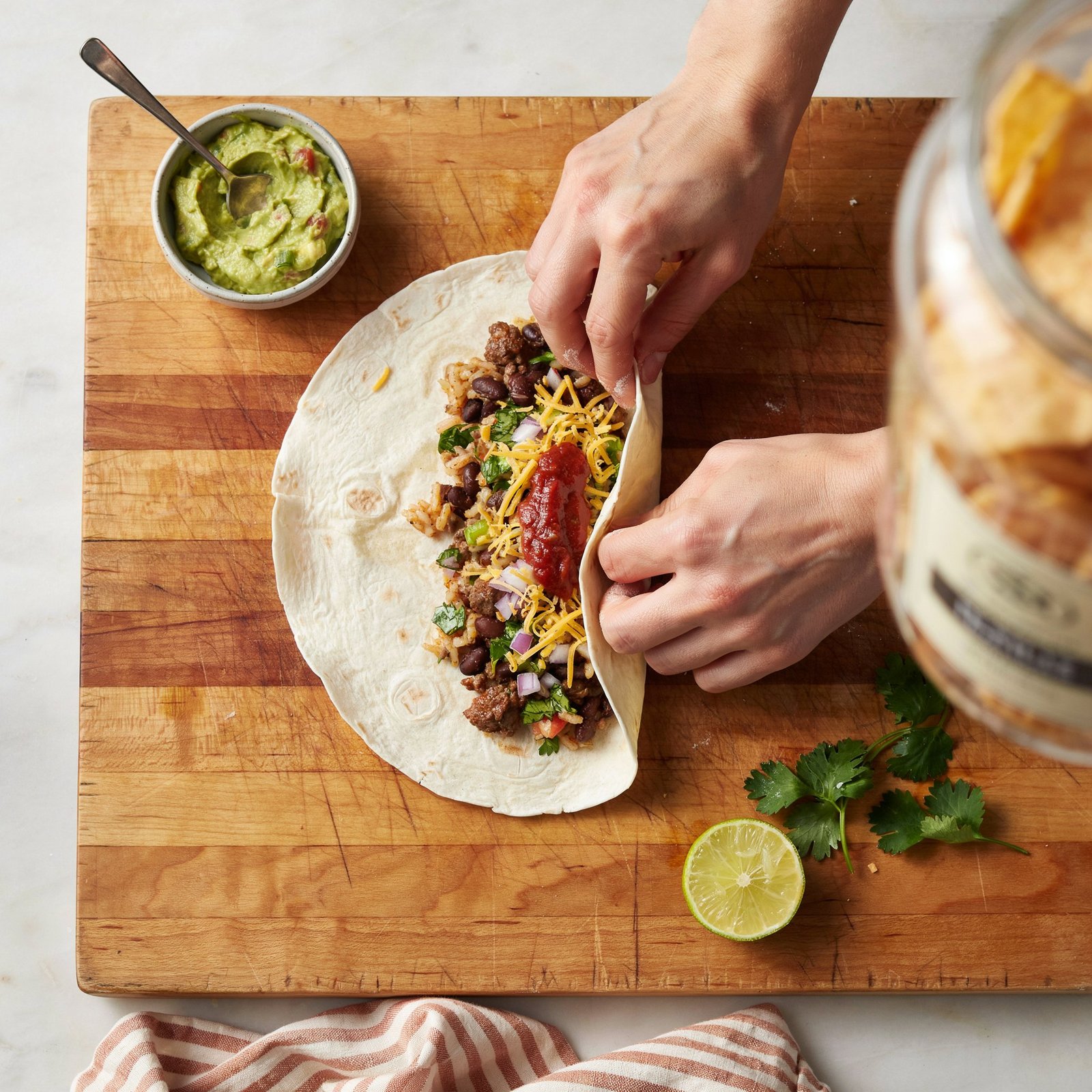
Burrito craft is the art of creating high-quality burritos by carefully combining ingredients, flavors, textures, and presentation techniques. While a burrito may look like a simple wrapped meal, creating an exceptional burrito requires attention to detail. A well-crafted burrito is not just about putting food inside a tortilla; it is about creating a balanced experience where every bite delivers the right combination of taste, freshness, and satisfaction.
The concept of burrito craft focuses on treating burrito preparation as a creative process. Similar to how a chef carefully designs a signature dish, burrito creators consider every element, including the tortilla quality, filling combinations, sauces, seasoning, and cooking methods. The goal is to transform an everyday meal into something memorable.
In recent years, burrito craft has gained popularity because people are looking for food experiences rather than just quick meals. Customers want customization, fresh ingredients, and unique flavor combinations. This has encouraged restaurants, food trucks, and home cooks to experiment with different styles of burritos.
A crafted burrito represents creativity and personal expression. Whether someone prefers traditional Mexican flavors, vegetarian options, spicy combinations, or modern fusion recipes, burrito craft allows endless possibilities. The burrito becomes a blank canvas where different ingredients come together to create something unique.
Understanding the Art Behind a Perfect Burrito
Creating a perfect burrito requires understanding balance. Too much of one ingredient can overpower the entire meal, while poor combinations can create an unbalanced taste. Professional burrito makers focus on harmony between flavors.
For example, rich ingredients such as cheese or seasoned meat are often balanced with fresh elements like vegetables, salsa, or herbs. Soft textures can be combined with crunchy ingredients to create a more enjoyable eating experience.
The tortilla acts as the foundation of the burrito. It needs to be strong enough to hold the fillings while remaining soft and flexible. A poorly prepared tortilla can ruin even the best ingredients.
Burrito craft is similar to building a well-designed structure. Every layer has a purpose, and every ingredient contributes to the final result.
Why Burrito Craft Has Become Popular
The popularity of burrito craft comes from changing food preferences. Modern consumers increasingly value customization and quality. They want meals that match their personal tastes and dietary needs.
Burritos naturally support customization because they can include countless combinations of proteins, vegetables, grains, sauces, and toppings. This flexibility makes them attractive to a wide range of people.
Social media has also helped increase interest in creative food preparation. Colorful burritos, unique recipes, and visually appealing presentations often attract attention online.
Food culture has shifted from simply eating meals to sharing experiences. Burrito craft fits perfectly into this movement because it combines creativity, convenience, and flavor.
The History and Evolution of Burrito Craft
Traditional Mexican Roots of Burritos
The burrito has deep connections to Mexican cuisine and has evolved over generations. Traditional burritos were created as practical meals that could be easily carried and eaten. Their simple structure made them convenient for workers, travelers, and families.
Classic burritos often included basic ingredients such as beans, meat, rice, and vegetables wrapped inside a flour tortilla. Over time, different regions developed their own styles and ingredient combinations.
The original purpose of the burrito was functionality, but its versatility allowed it to become a global favorite. Different cultures adapted the concept according to local tastes.
Modern Innovations in Burrito Making
Modern burrito craft has expanded far beyond traditional recipes. Chefs and food creators experiment with new ingredients, international flavors, and innovative cooking techniques.
Today, burritos can include everything from grilled vegetables and seafood to specialty sauces and gourmet fillings. Some creators focus on healthy ingredients, while others create indulgent versions with rich flavors.
This evolution shows how food traditions can adapt while maintaining their original identity.
Essential Elements of Burrito Craft
Choosing the Right Tortilla
The tortilla is one of the most important parts of any burrito. A good tortilla should be fresh, flexible, and large enough to contain the fillings.
Flour tortillas are commonly used because they provide softness and durability. However, different types of tortillas can create different experiences.
The tortilla should complement the ingredients rather than compete with them. A strong burrito begins with a strong foundation.
Balancing Fillings, Flavors, and Textures
A great burrito requires balance. The amount of each ingredient matters because overfilling can make the burrito difficult to eat.
Successful burrito makers consider:
- Protein: Adds richness and satisfaction.
- Rice or grains: Provides structure and texture.
- Beans: Adds flavor and nutritional value.
- Vegetables: Creates freshness and balance.
- Sauces: Brings everything together.
The best burritos feel complete because every ingredient has a role.
Step-by-Step Guide to Making a Crafted Burrito
Preparing Ingredients
The first step in burrito craft is ingredient preparation. Fresh ingredients create better flavor and improve the overall quality of the meal.
Proteins should be properly seasoned and cooked. Vegetables should maintain freshness and texture. Sauces should complement the main ingredients.
Preparation is where much of the flavor development happens. A carefully prepared ingredient can transform an ordinary burrito into an impressive dish.
Mastering the Wrapping Technique
Wrapping is an essential skill in burrito craft. A poorly wrapped burrito can fall apart, while a properly wrapped one keeps ingredients secure.
The general process involves placing ingredients in the center of the tortilla, folding the sides inward, and rolling tightly.
A good wrap should be firm but not compressed. The goal is to create a burrito that is easy to hold and enjoyable to eat.
Popular Burrito Craft Styles and Variations
Classic Burrito Recipes
Traditional burritos remain popular because they provide familiar flavors and satisfying combinations. Common ingredients include seasoned meat, beans, rice, cheese, and salsa.
Classic recipes demonstrate that simple ingredients can create excellent results when prepared properly.
Creative and Modern Burrito Ideas
Modern burrito creators experiment with unique combinations. Some popular variations include:
| Burrito Style | Main Ingredients |
|---|---|
| Breakfast Burrito | Eggs, potatoes, cheese, breakfast meats |
| Vegetarian Burrito | Beans, vegetables, grains, sauces |
| Fusion Burrito | International flavors and creative fillings |
| Protein Burrito | High-protein ingredients for fitness-focused meals |
Creative burritos allow cooks to explore different culinary traditions while maintaining the basic burrito structure.
Common Mistakes When Making Burritos
Many beginners make mistakes by adding too many fillings or ignoring ingredient balance. A burrito should be satisfying but manageable.
Another common mistake is using low-quality tortillas. Even excellent fillings cannot completely fix a poor foundation.
Incorrect wrapping is also a frequent issue. Learning proper technique improves both appearance and eating experience.
Healthier Approaches to Burrito Craft
Burritos can be customized to support healthier eating habits. Choosing lean proteins, fresh vegetables, whole grains, and balanced portions can create nutritious meals.
Healthy burrito craft focuses on quality rather than removing flavor. Fresh ingredients and thoughtful combinations can create meals that are both delicious and satisfying.
Many people now create burritos that match specific dietary goals, including vegetarian, high-protein, and lower-calorie options.
Burrito Craft as a Food Business Opportunity
The growing popularity of customized food has created opportunities for burrito-focused businesses. Restaurants and food trucks can attract customers by offering unique recipes and high-quality ingredients.
A successful burrito business requires more than good food. Branding, consistency, customer service, and creativity all play important roles.
Because burritos are customizable and affordable, they remain attractive in many markets.
Tips for Creating Restaurant-Quality Burritos at Home
Making professional-quality burritos at home starts with preparation. Having fresh ingredients ready makes the cooking process easier.
Experimenting with flavors is also important. Trying different sauces, spices, and combinations helps develop personal recipes.
Practice improves technique. The more burritos someone creates, the better they become at balancing ingredients and wrapping properly.
The Future of Burrito Craft
The future of burrito craft will likely continue moving toward personalization and creativity. Customers increasingly want meals designed around their preferences.
Technology, food delivery, and changing consumer habits will influence how burritos are created and enjoyed.
However, the core idea will remain the same: combining simple ingredients into a satisfying and memorable meal.
Conclusion
Burrito craft represents the creative side of one of the world’s most loved foods. It transforms a simple tortilla wrap into an opportunity for culinary expression.
The secret behind a great burrito is balance. Quality ingredients, thoughtful combinations, and proper preparation create a meal that feels special.
Whether made at home, served in a restaurant, or developed as a business idea, burrito craft continues to grow because it combines tradition with endless creativity.
Frequently Asked Questions About Burrito Craft
1. What does burrito craft mean?
Burrito craft refers to the process of creating high-quality burritos through careful ingredient selection, flavor balancing, and creative preparation.
2. What makes a burrito high quality?
A high-quality burrito uses fresh ingredients, proper seasoning, balanced fillings, and a well-prepared tortilla.
3. Can burritos be healthy?
Yes, burritos can be healthy when made with nutritious ingredients, balanced portions, and fresh vegetables.
4. What is the most important part of a burrito?
The tortilla and ingredient balance are both essential because they determine the structure and overall flavor experience.
5. Can I start a burrito business?
Yes, burritos can be a strong food business opportunity because they are customizable, popular, and adaptable to different markets.

Introduction
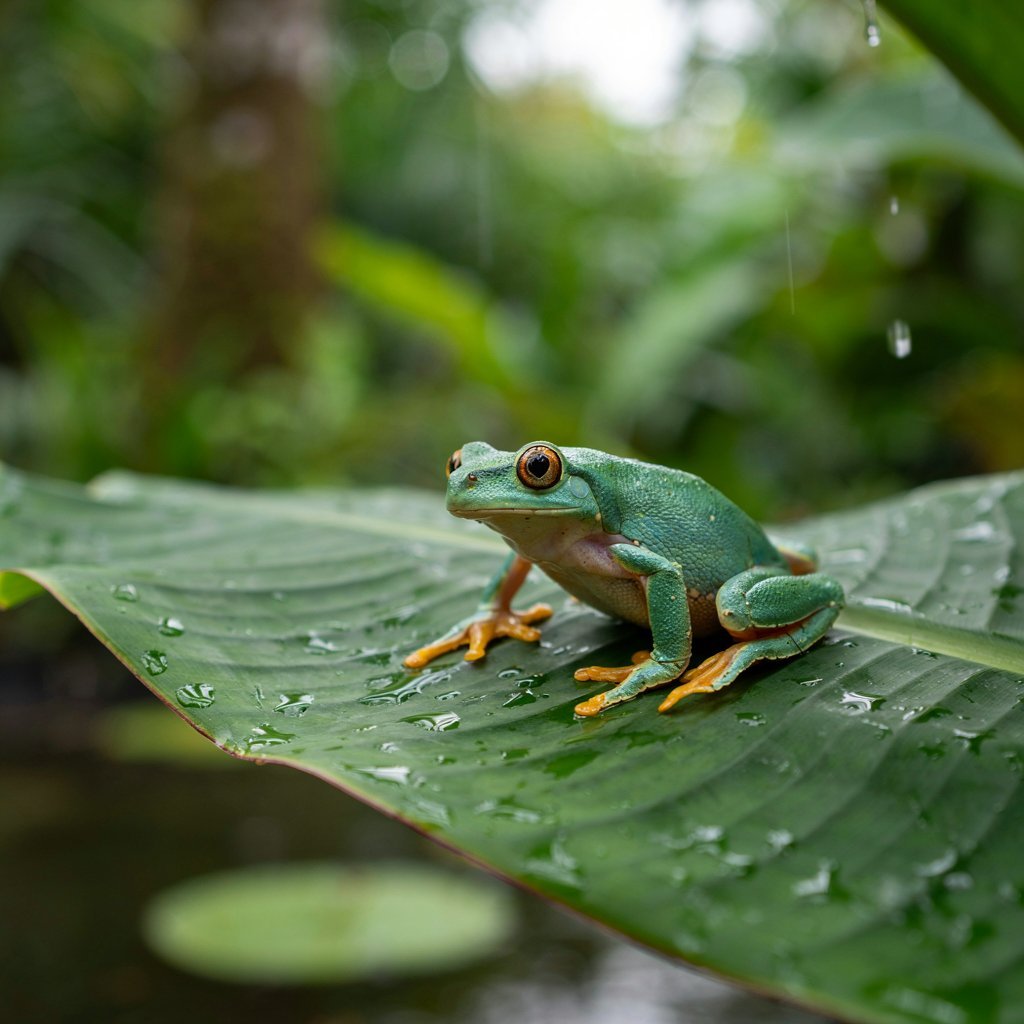
The term “flat frog” might conjure images of a pancaked amphibian, but in the world of herpetology, it refers to a fascinating group of frogs that have evolved remarkably flattened bodies for survival. From the endangered Marbled Streamlined Frog of Sri Lanka to the widespread Flat-headed Frog of Southeast Asia, these unique creatures represent some of nature’s most specialized adaptations. In this comprehensive guide, we’ll explore the diverse world of flat frogs, examining their unique characteristics, habitats, conservation status, and what makes them so extraordinary. Whether you’re a nature enthusiast, conservationist, or simply curious about these remarkable amphibians, this article will provide deep insights into the lives of the world’s flattest frogs.
Titles and Keyword Strategy
To ensure this article ranks well on Google, I’ve developed several powerful title options that incorporate high-value keywords:
Title Option 1: “Flat Frog Complete Guide: Species, Habitat, and Conservation Status of the World’s Flattest Amphibians”
Title Option 2: “What is a Flat Frog? Discover the Marbled Streamlined Frog and Other Flattened Amphibians”
Title Option 3: “Flat Frog Species: From Sri Lanka’s Endangered Marbled Streamlined Frog to Southeast Asia’s Flat-Headed Frog”
Title Option 4: “Understanding Flat Frogs: Evolution, Behavior, and Conservation Efforts for These Unique Amphibians”
Keyword Breakdown:
Primary Keyword: “Flat frog” – This is the core search term that users will type into search engines. It’s precise and captures the main subject of the article.
Secondary Keywords:
“Marbled Streamlined Frog” – This is a specific species of flat frog endemic to Sri Lanka, highly targeted for conservation-minded searches .
“Flat-headed frog” – Another common name used for species like Limnonectes khasianus, which is found across Southeast Asia .
“Frog conservation” – Addresses the critical conservation status of many flat frog species.
“Amphibian species” – Broadens the reach to general amphibian enthusiasts.
“Endangered frog species” – Targets users concerned with threatened amphibians.
“Frog habitat” – Covers environmental needs and distribution.
Long-tail Keywords:
“Why are some frogs flat” – Targets informational queries.
“Flat frog species Sri Lanka” – Geo-targeted search for the Marbled Streamlined Frog.
“Flat dainty frog South Africa” – Targets the Cacosternum platys species .
“Philippine flat-headed frog” – Targets Barbourula busangensis .
“Frog care sheet” – For users interested in keeping frogs as pets .
Understanding Flat Frogs: More Than Just a Shape
When we talk about flat frogs, we’re referring to several distinct species across different genera that share a common evolutionary trait: a dorsoventrally flattened body. This adaptation is not merely aesthetic but serves critical survival functions. The flattened morphology allows these frogs to hide in narrow crevices, under rocks, and in shallow water bodies where predators cannot easily reach them. Their streamlined bodies also reduce water resistance, making them efficient swimmers in their preferred aquatic environments.
The Marbled Streamlined Frog: Sri Lanka’s Endangered Gem
One of the most notable flat frog species is the Marbled Streamlined Frog (Nannophrys marmorata), also known as Kirtisinghe’s rock frog. This species is endemic to Sri Lanka and holds the unfortunate distinction of being listed as Endangered on the IUCN Red List . These diminutive frogs are remarkably small, growing to only about 1 inch (2.5 cm) in length, with broad, short bodies and rounded snouts. Their brown blotched coloring with a gray underside provides excellent camouflage against the wet rocks and boulders they inhabit in the highlands of the Knuckles Mountain Range, found at elevations between 200m and 1,300m . The observation points for this species are critically low, with only 14 recorded since 2007, highlighting the urgent need for conservation efforts .
The Flat-Headed Frog: A Southeast Asian Species
The term “flat frog” is also frequently used for species like Limnonectes khasianus, commonly known as the Flat-headed Frog, Corrugated Frog, or Rivulet Frog . This species is found across a wide range of Southeast Asian countries, including Brunei, India, Indonesia, Malaysia, Myanmar, and Thailand . Unlike the critically endangered Marbled Streamlined Frog, Limnonectes khasianus is not considered threatened by the IUCN, though its populations are still impacted by habitat loss . These frogs can grow up to 3 inches in length and are typically brown or gray with rough, bumpy skin and a distinctive stripe running down their back . They are nocturnal creatures, hiding in vegetation during the day and becoming active at night to hunt small insects, spiders, and other invertebrates with their long, sticky tongues .
The Flat Dainty Frog: South Africa’s Endemic Species
South Africa is home to its own flat frog species, Cacosternum platys, also known as the Flat Dainty Frog or Smooth Dainty Frog . This species is endemic to the southern and western regions of South Africa, inhabiting temporary and permanent ponds, marshes, and slow-moving streams. These frogs are relatively small, with males reaching approximately 20-25 mm and females up to 30-35 mm. They are characterized by a smooth, flat body with brown or greyish-brown dorsal coloration and a creamy-white ventral surface. Currently listed as Least Concern by the IUCN, their populations are nonetheless declining in some areas due to habitat destruction and degradation .
The Importance of Flat Frogs as Indicator Species
Frogs, including flat frog species, serve as crucial indicator species for environmental health . Their thin, permeable skin makes them highly susceptible to environmental contaminants and changes in climate. Over 40% of amphibian species are currently threatened with extinction, largely due to climate change, habitat destruction, and pollution . When frog populations decline, it signals underlying environmental problems that could eventually affect human health. Protecting flat frogs and their habitats is therefore not just about saving a single species but about safeguarding entire ecosystems that ultimately benefit human well-being.
Conservation Efforts and Challenges
The conservation of flat frog species faces numerous challenges, from habitat loss to emerging diseases. For the Marbled Streamlined Frog, conservation efforts are critical in Sri Lanka’s Knuckles Mountain Range. Studies using species distribution models have identified eight priority areas for conservation, with regions near Matale, Kandy, and Nuwara Eliya offering the best potential for protecting viable populations . These efforts are complicated by threats such as tourism, land use change, pollution, and climate change, which have contributed to the frog’s endangered status .
In South America, conservationists have employed innovative strategies to protect closely related flat frog species. A recent study on Telmatobius philippii, a critically endangered species in Chile, demonstrated the effectiveness of artificial refuges. Researchers installed clay tiles, bricks, and rock piles in areas where natural refuges had been lost due to industrial water extraction. Over two years, occupancy rates of these artificial refuges increased to 75%, with evidence of successful breeding . Such habitat enhancement programs offer promising strategies for conserving fragile amphibian populations in human-impacted ecosystems.
Creating the Perfect Environment for Pet Frogs
For those interested in keeping flat frogs or other amphibian species as pets, understanding their specific environmental needs is essential for their health and well-being . Most frogs require a suitable terrarium that reflects their native habitat. Ground-dwelling species like flat frogs need horizontal space rather than vertical, while tree frogs require taller enclosures with climbing structures . A 10-20 gallon terrarium is suitable for most species, with the enclosure size scaled appropriately for the number and size of frogs being housed .
Temperature and Humidity Requirements
Frogs are ectothermic, meaning they rely on their environment to regulate body temperature . Most species thrive in daytime temperatures between 75°F and 85°F, with night temperatures above 68°F . Tropical species require higher humidity levels, often between 70-100%, while other species prefer drier conditions . A thermometer and hygrometer are essential tools for monitoring these parameters. Humidity can be maintained through regular misting with non-chlorinated water, using substrates like coconut husk or sphagnum moss, and providing a shallow water dish .
Diet and Nutrition
A varied diet is crucial for maintaining healthy captive frogs. The bulk of the diet should consist of live insects such as crickets, flightless fruit flies, mealworms, waxworms, and roaches . Larger species may occasionally be fed small mice. It’s essential to dust live insects with calcium and vitamin supplements to ensure proper nutrition, with the frequency of supplementation depending on the frog’s age—daily for juveniles and once or twice weekly for adults . A shallow water dish with fresh, non-chlorinated water should always be available, and the water should be changed regularly to prevent bacterial growth .
Health Considerations
Frogs are susceptible to bacterial and fungal infections, including the devastating chytridiomycosis fungus, which has caused mass die-offs of amphibian species worldwide . Symptoms of illness include “red-leg syndrome,” emaciated appearance, lethargy, and skin abnormalities. Good hygiene, proper husbandry, and minimal handling are the best approaches to preventing illness . When handling frogs is necessary, wearing latex gloves is recommended to protect both the frog and the handler, as amphibians secrete toxins in their skin that can cause reactions in humans, and they can carry bacteria like Salmonella .
The Evolutionary Significance of Flattened Bodies
The evolution of flattened body shapes in frogs represents a fascinating case of convergent evolution, where unrelated species develop similar traits in response to similar environmental pressures. This adaptation allows flat frogs to exploit specific niches—hiding under rocks, fitting into narrow crevices, and moving efficiently through shallow water. The morphology of flat frogs varies by species, with some having smooth skin like the Flat Dainty Frog and others featuring rough, bumpy skin like the Flat-headed Frog, which aids in camouflage . Understanding these evolutionary adaptations provides valuable insights into how amphibians respond to ecological pressures and how they might adapt to changing environments.
Conclusion
The world of flat frogs is a testament to nature’s remarkable adaptability, with species found across Sri Lanka, Southeast Asia, South Africa, and South America, each exhibiting unique characteristics shaped by their environments. From the Endangered Marbled Streamlined Frog in Sri Lanka to the widespread Flat-headed Frog of Southeast Asia, these amphibians play crucial roles in their ecosystems as indicator species, signaling the health of our environment. As over 40% of amphibian species face the threat of extinction, understanding and protecting flat frogs and their habitats is more important than ever . Whether through conservation efforts in their native ranges or responsible care in captivity, we all have a role to play in ensuring these remarkable creatures continue to thrive for generations to come.
Frequently Asked Questions (FAQ)
What is a flat frog?
A “flat frog” is a general term used to describe various frog species that have evolved dorsoventrally flattened bodies. This includes species like the Marbled Streamlined Frog (Nannophrys marmorata) in Sri Lanka, the Flat-headed Frog (Limnonectes khasianus) in Southeast Asia, and the Flat Dainty Frog (Cacosternum platys) in South Africa . These frogs have adapted flattened shapes to hide in narrow spaces, under rocks, and in shallow water.
Where do flat frogs live?
Flat frogs inhabit diverse geographical regions. The Marbled Streamlined Frog is endemic to Sri Lanka’s Knuckles Mountain Range at elevations of 200-1,300 meters . The Flat-headed Frog is found across Southeast Asia, including Brunei, India, Indonesia, Malaysia, Myanmar, and Thailand . The Flat Dainty Frog is endemic to South Africa’s southern and western regions .
Why are flat frogs endangered?
Not all flat frogs are endangered, but some species face significant threats. The Marbled Streamlined Frog is listed as Endangered due to tourism, land use change, pollution, and climate change, with only 14 observation points recorded since 2007 . Habitat destruction and degradation also affect other species, though some like Limnonectes khasianus are not considered threatened by the IUCN .
Can I keep a flat frog as a pet?
While some frog species are kept as pets, it’s essential to research the specific needs of any species you’re interested in. Captive breeding has produced a variety of frogs for the pet trade, including tree frogs, dart frogs, and horned frogs . However, many flat frog species are protected or endangered and should not be removed from the wild. Always ensure any pet frog is obtained from a reputable source and that you can provide the appropriate environment, temperature, humidity, and diet .
Why are frogs important to the environment?
Frogs are considered indicator species because their thin, permeable skin makes them highly susceptible to environmental contaminants and climate changes . Over 40% of amphibian species are threatened with extinction due to climate change, habitat destruction, and pollution. When frog populations decline, it signals environmental problems that could eventually affect human health. Protecting frogs and their habitats helps safeguard entire ecosystems and human well-being .
What do flat frogs eat?
Flat frogs are carnivorous, feeding primarily on small insects, spiders, and other invertebrates . In the wild, they use their long, sticky tongues to catch prey. In captivity, pet frogs should be fed a varied diet of live insects such as crickets, flightless fruit flies, mealworms, and waxworms, with supplements for proper nutrition .
What is the average size of a flat frog?
Flat frog sizes vary by species. The Marbled Streamlined Frog grows to about 1 inch (2.5 cm) long , while the Flat-headed Frog can reach up to 3 inches in length . The Flat Dainty Frog is relatively small, with males reaching approximately 20-25 mm and females up to 30-35 mm .
Are flat frogs poisonous?
All amphibians, including flat frogs, secrete toxins in their skin that may cause reactions in humans . While these toxins don’t usually provide protection from predatory mammals, birds, and snakes, they serve as a defense mechanism . Additionally, frogs may carry bacteria like Salmonella that can cause disease in humans. It’s recommended to wear latex gloves when handling frogs and wash hands thoroughly afterward .
How do flat frogs reproduce?
Like most frogs, flat frogs reproduce through external fertilization. During breeding season, males call out to attract females . Females lay eggs in water, and tadpoles hatch and develop before metamorphosing into adult frogs . The presence of eggs and early-stage larvae in artificial refuges has confirmed successful breeding in conservation efforts .
What is being done to protect flat frogs?
Conservation efforts for flat frogs include habitat protection, species monitoring, and innovative strategies like installing artificial refuges. For the Marbled Streamlined Frog, researchers have identified eight priority conservation areas in Sri Lanka’s Central Province . In Chile, artificial refuges have been successfully used to protect Telmatobius philippii, with occupancy rates reaching 75% over two years . Organizations like the Sri Lanka Wildlife Conservation Society and SAVE THE FROGS! work to protect endangered amphibian species
Uncategorized
PedroVazPaulo: The Definitive Guide to Executive Coaching and Strategic Business Consulting for 2026
The Definitive Guide to Executive Coaching and Strategic Business Consulting for 2026
In an era of unprecedented market volatility, digital disruption, and intense global competition, the margin for error in business leadership has never been slimmer. Leaders are no longer judged solely on their ability to maintain the status quo; they are evaluated on their capacity to anticipate change, inspire high-performing teams, and execute transformative strategies that drive sustainable growth. This is the complex, high-stakes environment where PedroVazPaulo emerges not merely as a consulting firm, but as a strategic partner dedicated to redefining leadership excellence and business performance. With a powerful combination of deep psychological insight, sharp business acumen, and a global perspective, PedroVazPaulo has established a distinguished reputation for delivering measurable, real-world results for executives and organizations worldwide. This comprehensive article explores the full spectrum of PedroVazPaulo‘s services, from its groundbreaking executive coaching methodologies and personalized business consulting frameworks to its pivotal role in driving digital transformation. We will dissect the philosophy, the process, and the proven impact of this influential firm, offering a definitive guide for any leader ready to unlock their full potential and future-proof their organization.
Who is Pedro Vaz Paulo
To truly understand the impact of the firm, one must first understand the visionary behind it. Pedro Vaz Paulo is a seasoned business consultant and executive coach with over 15 years of international experience transforming leaders and organizations across a diverse range of industries, including finance, technology, healthcare, and manufacturing . His unique approach is rooted in a formidable educational background, which includes a degree in Business Administration from the prestigious University of São Paulo and a master’s in Business Strategy from the London School of Economics, one of the world’s leading institutions for social sciences and business . This academic rigor provides a solid theoretical foundation, but it is the synthesis of this knowledge with extensive, hands-on experience that sets him apart. Pedro Vaz Paulo is renowned for combining empathy, emotional intelligence, and sharp strategic thinking to break down complex business challenges and unlock authentic leadership potential . Operating out of Portugal, his influence is truly global, having coached hundreds of senior executives, entrepreneurs, and high-potential teams, positioning him as a trusted guide for those navigating the intricate dynamics of modern leadership and organizational strategy .
The Core of PedroVazPaulo: How Consulting and Coaching Work Together
While many firms offer either business consulting or executive coaching, PedroVazPaulo excels by integrating these two disciplines into a cohesive, holistic framework for success. This dual approach recognizes that an organization cannot achieve its full strategic potential without strong, capable leadership, and equally, that a leader’s personal growth is most impactful when aligned with tangible business objectives . At its core, the firm’s methodology serves as a powerful engine for personal and professional growth, designed to bring purpose, clarity, and confidence to the forefront of any career . The journey typically begins with a detailed assessment phase, where consultants work closely with clients to understand their specific goals, challenges, and organizational context . This is not a one-size-fits-all engagement; the emphasis is on personalization, ensuring that every strategy is tailored to the unique market realities, culture, and aspirations of the client . By connecting individual leadership development with broader organizational goals, PedroVazPaulo ensures that leadership development is not an abstract exercise but a direct driver of business success, ultimately cultivating a culture of growth that permeates every level of the company .
The Executive Coaching Program: Tailored Tiers for Leadership Mastery
PedroVazPaulo‘s Executive Coaching Program is a cornerstone of its service offering, meticulously designed to meet leaders at their current stage of development and guide them toward their highest potential . The program is structured to provide a clear pathway for growth, offering distinct tiers that allow leaders to progress at their own pace while receiving targeted support.
Tier 1: Building the Foundation (3 Months)
This initial phase is ideal for new leaders or those seeking to solidify their core leadership competencies. Over three months, the coaching focuses on the fundamental pillars of effective management. Clients work on improving communication abilities to ensure clarity and impact, develop essential emotional intelligence to build stronger relationships, and master the delicate art of delegation to empower their teams . During this foundational phase, comprehensive leadership assessments are conducted to provide personalized feedback, allowing the client and coach to co-create a customized leadership development plan that addresses specific requirements and goals .
Tier 2: Mastering the Art (6 Months)
The second phase of the program propels leaders into higher-level strategic thinking. Spanning six months, this tier is designed to expand a leader’s influence, foster a coaching mindset within their team, and sharpen their decision-making capabilities . Here, leaders delve into different leadership styles, learning when to adapt their approach for maximum effectiveness. A key focus is on cultivating a coaching mindset, enabling leaders to develop and motivate others, thereby multiplying their impact across the organization. This is the stage where theoretical understanding is transformed into practical, high-impact leadership .
Tier 3: Executive Excellence (9 Months + Ongoing Support)
Designed for seasoned executives, this tier focuses on mastering the complexities of organizational leadership. The curriculum includes advanced modules on vision development and articulation, change management strategies, and navigating complex business landscapes . A unique feature of this level is the inclusion of 360-degree leadership assessments, offering a holistic view of the leader’s impact from peers, subordinates, and supervisors . The most successful leaders often credit their sustained achievement to continuous development, which is why this tier includes optional ongoing coaching retainers and exclusive mastermind sessions that provide invaluable peer-to-peer learning and knowledge sharing .
Business Consulting Services: Driving Strategy and Digital Transformation
In the realm of business strategy, PedroVazPaulo acts as a catalyst for profound organizational change. The firm offers high-level business consulting services designed to solve complex problems, optimize operational efficiency, and drive strategic growth . A key component of their consulting prowess lies in spearheading digital transformation, an area where many companies struggle to move beyond surface-level modernization . PedroVazPaulo takes a technology-first approach, integrating AI-powered analytics for smarter decision-making, implementing ERP and CRM modernization to improve efficiency, and deploying robust cybersecurity strategies to protect critical assets in a hostile digital landscape . The firm’s consulting team does more than just create reports; they are deeply involved in the implementation phase, ensuring that strategic plans evolve into measurable results and new capabilities that enhance the client’s competitive advantage . By treating technology as a growth enabler, PedroVazPaulo helps businesses unlock new revenue streams and future-proof their operations .
The Onboarding Process and Success Metrics
A commitment to structure and transparency defines the client experience with PedroVazPaulo Consulting. The onboarding process is a meticulously designed, 2 to 4 week phase that lays the foundation for a productive and transparent partnership . It begins with an initial assessment call to clarify goals and challenges, followed by a deep-dive business diagnostic that dissects processes, resource allocation, and pain points. The process culminates in a strategic roadmapping session where short-term and long-term objectives, along with key performance indicators (KPIs), are co-created . This rigorous approach ensures that both the consulting and client teams are aligned from the very start. From day one, PedroVazPaulo emphasizes establishing clear, measurable success metrics to validate the value of the service delivered. These metrics are categorized into operational efficiency (cost reduction, optimized workflows), financial performance (improved ROI, revenue margins), and customer engagement (NPS scores, retention rates) . Through regular checkpoints and agile methodologies, the firm ensures that strategies remain relevant and effective, tracking real-world performance and adjusting tactics when necessary to ensure targets are met .
The Human Element: Why Emotional Intelligence and Personalized Attention Matter
What truly distinguishes PedroVazPaulo from other consulting firms is its unwavering recognition of the “human element” in business success. While strategy and technology are critical, the firm understands that execution depends entirely on people . This philosophy is best embodied in the one-on-one coaching sessions, which provide a safe space for leaders to explore vulnerabilities, address difficult topics, and receive direct, actionable feedback . The emphasis on emotional intelligence is woven throughout the coaching curriculum, helping leaders develop a deeper understanding of themselves and others . This focus on self-awareness is a key driver of improved team dynamics and employee engagement, as leaders who are attuned to their own emotions and those of their team members are better equipped to foster a positive and productive work environment . The firm commits to long-term partnerships, not just transactional projects, offering continuous support to ensure sustainable behavior change and lasting success . Clients consistently report significant improvements not only in their performance but also in their confidence and overall well-being.
Frequently Asked Questions (FAQ)
Q1: What specific services does PedroVazPaulo Consulting offer?
PedroVazPaulo offers a comprehensive suite of services centered on business consulting, executive coaching, and leadership development. The business consulting arm provides strategic planning, digital transformation, process optimization, and IT consulting. The executive coaching program features three tiers of personalized development, focusing on leadership skills, emotional intelligence, and strategic thinking .
Q2: Who is PedroVazPaulo’s ideal client?
The firm serves a diverse clientele across various sectors, including finance, healthcare, technology, manufacturing, and education . Their clients range from startup founders and new managers to mid-level managers and senior executives in Fortune 500 companies. Their personalized approach ensures they can adapt to the unique needs of businesses of any size, from local enterprises to international corporations .
Q3: How does PedroVazPaulo measure success?
Success is measured through clear, pre-defined Key Performance Indicators (KPIs) established during the initial onboarding process . These metrics are financial (e.g., improved ROI, revenue growth), operational (e.g., cost reduction, efficiency gains), and performance-based (e.g., employee engagement scores, Net Promoter Score). The firm uses a results-oriented framework to track progress and adjust strategies as needed .
Q4: What makes PedroVazPaulo’s coaching different from other executive coaching programs?
The coaching is highly personalized, avoiding a one-size-fits-all approach. It integrates deep psychological insight with sharp business strategy . The program is structured into clear tiers to meet leaders at their specific stage of development and includes one-on-one sessions for personalized attention. It strongly emphasizes emotional intelligence and tangible, real-world application rather than just theoretical learning .
Q5: What is the typical duration and structure of the onboarding process?
The onboarding process is a structured, 2 to 4 week phase. It includes an initial assessment call, a thorough business diagnostic, and a collaborative strategic roadmapping session to establish goals, KPIs, and a clear implementation plan. This process is crucial for ensuring alignment and transparency from the start .
Q6: Is PedroVazPaulo a global firm, and can they work with remote teams?
Yes, the firm serves clients globally . While based in Portugal, they offer flexible engagement models that can be conducted in-person, remotely, or in a hybrid format. Their coaching and consulting services are designed to be effective across different geographic and cultural contexts, utilizing secure digital collaboration tools .

Aluminum Fence Installation: A Complete Step-by-Step Guide

Tang Math Equation Answers: A Complete Guide to Solving Problems Step by Step

Eskute C100-BK-SS: Complete Guide, Features, Design and Buying Tips

Basket Random Unblocked: The Ultimate Guide to the Chaotic Basketball Game Everyone Loves in 2026

EzClasswork: A Complete Guide to Understanding the Online Learning Platform, Features, Benefits, and Educational Impact

Queen’s Feast Charlotte Restaurant Week: A Complete Guide for Food Lovers
 game3 months ago
Basket Random Unblocked: The Ultimate Guide to the Chaotic Basketball Game Everyone Loves in 2026
- game3 months ago
EzClasswork: A Complete Guide to Understanding the Online Learning Platform, Features, Benefits, and Educational Impact
- food3 months ago
Queen’s Feast Charlotte Restaurant Week: A Complete Guide for Food Lovers
- Entertainment3 months ago
Antonimar Mello: The Private Life Behind a Public Spotlight
- game3 months ago
GunSpin: The Ultimate Guide to the Addictive Physics-Based Shooting Game (2026)
- game3 months ago
Pixel Speedrun: The Ultimate Guide to Understanding, Playing, and Mastering the Fast-Paced Pixel Challenge
- Business3 months ago
Stormuring Explained: Meaning, Origins, Applications, and Why It Matters
- Fashion3 months ago
Dojen Moe: Meaning, Origins, and Why the Internet Is Talking About It in 2026