
Connect with us

news

Daily Mountain Eagle: Latest News, Local Updates, Community Stories, and Everything You Need to Know


Published

on

Daily Mountain Eagle

Latest News, Local Updates, Community Stories, and Everything You Need to Know

Introduction

The Daily Mountain Eagle is a well-known source of local news and community information, providing readers with updates about important events, local developments, public matters, sports, announcements, and stories that impact everyday life. Local newspapers play an essential role in keeping communities connected by sharing accurate information and highlighting the people, organizations, and events that shape a region. The Daily Mountain Eagle has built its reputation by focusing on local reporting and delivering news that matters most to its readers.

In an era where digital platforms have transformed the way people consume information, newspapers like the Daily Mountain Eagle continue to adapt by offering online access, timely updates, and a wider range of content. From breaking news and community announcements to feature stories and local achievements, the publication serves as a valuable resource for individuals who want to stay informed about what is happening around them.

What Is the Daily Mountain Eagle?

The Daily Mountain Eagle is a local newspaper dedicated to covering news and events within its community. Like many regional newspapers, it focuses on stories that may not receive attention from larger national media outlets but are highly important to local residents. Its coverage includes government updates, education news, community activities, business developments, sports coverage, and personal stories that represent the interests of the people it serves.

Local newspapers have historically been a trusted connection between communities and the events happening around them. The Daily Mountain Eagle provides readers with information that helps them understand local issues, celebrate achievements, and remain involved in community discussions. Through journalism and reporting, the newspaper contributes to preserving local history and documenting important moments.

History and Importance of the Daily Mountain Eagle

The importance of the Daily Mountain Eagle comes from its role as a community-focused publication. Local newspapers have traditionally served as a record of regional growth, capturing stories about individuals, families, businesses, schools, and organizations. Over time, these publications become more than just news sources; they become archives of community experiences and milestones.

The Daily Mountain Eagle represents the value of local journalism by focusing on stories that directly affect residents. While national news outlets often concentrate on large-scale events, local newspapers provide detailed coverage of issues closer to home. This includes city decisions, local achievements, community challenges, and events that influence daily life.

Types of News Covered by the Daily Mountain Eagle

One of the main reasons readers follow the Daily Mountain Eagle is its variety of news coverage. The publication provides information across multiple categories to meet the interests of different audiences.

Local news is one of the most important sections because it covers developments within the community. This may include government decisions, public announcements, road updates, community projects, and other issues affecting residents. By reporting these stories, the newspaper helps people understand changes happening in their area.

Sports coverage is another popular category. Local sports reporting allows readers to follow school teams, athletes, competitions, and achievements that might otherwise receive limited attention. These stories help build community pride and recognize the dedication of local players and coaches.

The newspaper also covers important personal announcements, including obituaries and community notices. These sections provide families and residents with a place to share significant information and remember important members of the community.

Digital Transformation of the Daily Mountain Eagle

The growth of the internet has changed how people access news. Many readers now prefer getting updates through websites, mobile devices, and online platforms rather than relying only on printed newspapers. The Daily Mountain Eagle has adapted to this changing environment by providing digital access to news content.

Online journalism allows readers to receive updates more quickly and conveniently. Digital platforms also make it easier to search for previous stories, share articles, and stay connected from anywhere. This transformation has helped local newspapers continue serving their audiences while embracing modern technology.

Although digital media has changed the newspaper industry, the need for reliable local reporting remains strong. Communities still depend on trustworthy sources that provide accurate information and meaningful stories.

Why Local Newspapers Like Daily Mountain Eagle Matter

Local newspapers continue to play a significant role in maintaining informed communities. They provide a platform for local voices and ensure that important regional issues receive attention. Without local journalism, many community stories and events could go unnoticed.

The Daily Mountain Eagle helps create a stronger connection between residents by sharing stories about local achievements, challenges, and opportunities. It supports transparency by reporting on public matters and encourages community involvement by keeping people informed.

Local journalism also helps preserve cultural identity. Through articles, interviews, and photographs, newspapers create a historical record of the people and events that define a community.

How Readers Benefit from Following Daily Mountain Eagle

Following the Daily Mountain Eagle allows readers to stay updated on matters that directly affect their lives. Whether someone wants information about local government, upcoming events, sports results, or community announcements, a local newspaper provides a convenient source of information.

Regular readers can better understand their surroundings and participate more actively in community activities. Staying informed also helps people make better decisions regarding local issues, services, and opportunities.

For businesses and organizations, local newspapers can also provide valuable exposure. Community-focused publications help connect businesses with local audiences through news coverage, advertisements, and community features.

The Future of Local Journalism and Daily Mountain Eagle

The future of local journalism depends on the ability of newspapers to combine traditional reporting with modern digital strategies. Readers continue to value trustworthy information, but they also expect convenience, speed, and accessibility.

Publications like the Daily Mountain Eagle can continue growing by embracing online platforms, engaging with readers through digital channels, and maintaining strong standards of journalism. The core mission remains the same: providing accurate, meaningful, and relevant information to the community.

As technology continues to evolve, local newspapers will likely continue changing their methods while preserving their essential role as sources of trusted news.

Conclusion

The Daily Mountain Eagle represents the importance of local journalism and community-focused reporting. By covering news, events, sports, announcements, and stories about local people, it helps residents stay connected and informed. In a world filled with fast-changing information, reliable local newspapers remain valuable because they focus on the issues and stories that matter most to their communities.

Whether accessed through traditional print or digital platforms, the Daily Mountain Eagle continues to demonstrate the lasting importance of local news. Its role in informing readers, preserving community history, and highlighting local achievements makes it an important part of regional journalism.

Frequently Asked Questions (FAQ)

1. What is the Daily Mountain Eagle?

The Daily Mountain Eagle is a local newspaper that provides community news, updates, sports coverage, announcements, and other important information for its readers.

2. What type of news does the Daily Mountain Eagle cover?

The newspaper covers various topics, including local events, government updates, education, sports, community stories, obituaries, and regional developments.

3. Why are local newspapers like the Daily Mountain Eagle important?

Local newspapers provide detailed coverage of community issues and highlight stories that may not receive attention from larger media organizations.

4. Can readers access the Daily Mountain Eagle online?

Many modern newspapers provide digital access through websites and online platforms, allowing readers to view news updates conveniently.

5. How does the Daily Mountain Eagle support the community?

The newspaper supports the community by sharing important information, recognizing local achievements, and keeping residents connected with current events.

6. What makes local journalism valuable?

Local journalism focuses on nearby events and issues, helping communities stay informed and engaged with decisions and activities that affect their daily lives.

news

Unlocking the Mysteries of Life, Death, and Aging: The Definitive Guide to Science Writer Sue Armstrong

Published

on

Introduction

In an era where scientific literacy is more critical than ever, certain voices stand out for their ability to translate complex medical and biological concepts into compelling narratives that resonate with the general public. Sue Armstrong is one such voice—a distinguished science writer and broadcaster whose career has spanned continents and tackled some of the most profound questions facing humanity. From the microscopic world of the p53 gene that guards our cells against cancer to the universal, inexorable process of aging explored in her acclaimed book “Borrowed Time,” Armstrong has established herself as a premier communicator of science . Her work, which includes extensive reporting on the AIDS pandemic, women’s health, and global public health issues for organizations like the World Health Organization and UNAIDS, offers a unique lens through which to understand the biological and social challenges of our time . This article delves deep into the life, career, and significant contributions of Sue Armstrong, exploring why her work is essential reading for anyone interested in the science of health, disease, and human longevity.

Who is Sue Armstrong A Biography of a Science Communication Pioneer

To truly appreciate the depth and breadth of Sue Armstrong‘s work, one must first understand the trajectory of her remarkable career. Born with a curiosity that would take her to the far corners of the globe, Armstrong is a science writer and broadcaster who is currently based in Edinburgh, Scotland . Her professional identity is not confined to a single role; rather, she has functioned as a journalist, a foreign correspondent, an author, and a documentary maker, all with a unifying focus on translating the often impenetrable language of science into accessible, engaging prose and audio. Armstrong’s career began with her work as a foreign correspondent, a role that saw her stationed in Brussels and later in South Africa . This period of her life was formative, as it exposed her to the front lines of major global health crises and allowed her to develop a keen understanding of how science and policy intersect on the international stage. Her journalism has appeared in a wide variety of media outlets, including the prestigious New Scientist magazine and the BBC World Service, where her ability to break down complex topics for a broad audience became a hallmark of her style .

Beyond journalism, Armstrong has had a long and distinguished association with the World Health Organization (WHO) and UNAIDS, undertaking regular assignments to write reports on critical public health issues since the 1980s . This work took her to the heart of the global health crisis, reporting from the frontline in countries as diverse as Haiti, Papua New Guinea, Uganda, Thailand, Namibia, and Serbia . Her focus on women’s health issues and the AIDS pandemic during this period gave her a unique, on-the-ground perspective that enriches her writing with a sense of humanity and urgency . It is this combination of rigorous scientific research and compassionate storytelling that defines Sue Armstrong‘s contribution to science communication, making her a trusted and authoritative figure in her field.

Key Books and Publications: Decoding the Science of Life and Death

Sue Armstrong‘s bibliography is a testament to her ability to tackle daunting scientific subjects with clarity and narrative flair. While she has authored works on a diverse range of topics, from the hidden world of pathology to the history of homeschooling, her most impactful and well-known books are those that delve into the fundamental mechanisms of life and death. One of her most lauded works is “p53: The Gene that Cracked the Cancer Code” . This book tells the fascinating story of the p53 gene, often described as the “guardian of the genome.” All of us have this crucial gene lurking in our DNA, and its job is to protect us from cancer . It constantly scans our cells to ensure they grow and divide without mishap. If a cell makes a mistake in copying its DNA, p53 stops it in its tracks, summoning a repair team before allowing the cell to continue dividing . The book chronicles the scientific quest to unravel the mysteries of this gene and understand what happens when it fails, a breakthrough that has been central to modern cancer research. This work was highly commended by the BMA Book Award, a testament to its excellence .

Perhaps her most defining work to date is “Borrowed Time: The Science of How and Why We Age” . Published in 2019, this book addresses one of the most significant issues facing humanity in the 21st century: the aging of the world’s population . For the first time in history, the number of people over 65 is set to outnumber those under 5, placing immense strain on health and social services globally . “Borrowed Time” explores the myriad competing theories of aging, from the simple idea that our bodies wear out over time to the more complex belief that aging is genetically programmed . Armstrong focuses inward, exploring the biology of aging at the most basic level of cells and genes . The book seeks to answer why our skin wrinkles, why our wounds take longer to heal, and why words sometimes escape us in conversation . To find these answers, she conducts interviews with key scientists in the field of gerontology and with people who have personal stories about aging, making the science deeply personal and relatable . Other notable works include “A Matter of Life and Death: Inside the Hidden World of the Pathologist,” which offers a “jaw-dropping investigation” into a world that is both vital and often misunderstood .

The Work with WHO and UNAIDS: A Global Perspective on Health

A significant and deeply impactful aspect of Sue Armstrong‘s career has been her longstanding commitment to global public health, particularly her work with the World Health Organization and UNAIDS. Since the 1980s, she has undertaken regular assignments for these organizations, authoring reports and writing about critical issues that have shaped the modern world . This collaboration has been particularly significant in the context of the HIV/AIDS pandemic, where Armstrong’s reporting from the frontline provided crucial insights into the global response to the crisis. She traveled to some of the hardest-hit regions—including countries in Africa, Asia, and the Caribbean—to document the pursuit of antiretroviral therapy and the challenges of delivering care in resource-limited settings . Her work, such as the report “Stepping back from the edge: the pursuit of antiretroviral therapy in Botswana, South Africa and Uganda,” highlights the human stories behind the statistics, showcasing both the devastating impact of the disease and the resilience of the healthcare workers and patients fighting against it .

Beyond HIV/AIDS, Armstrong has written extensively on other crucial aspects of public health, including women’s health, maternal mortality, and the development of nursing and midwifery champions in HIV/AIDS care . Her book “Preventing Maternal Deaths,” co-edited with Erica Royston, is a prime example of her work in this area . This global perspective is what sets Armstrong apart from many other science writers. Her work is not just about the science itself, but about how that science is applied, or not applied, in different parts of the world. She understands that health is a deeply social and political issue, and her writing reflects a profound compassion for the individuals and communities affected by disease. This ability to connect the lab bench to the global village makes her contributions to science communication both distinctive and vitally important.

Sue Armstrong’s Contributions to Radio and Broadcasting

In addition to her prolific writing, Sue Armstrong has made significant contributions to science broadcasting, particularly for BBC Radio 4 and the BBC World Service . Her skill as a communicator translates seamlessly to the audio medium, where she has been involved as a presenter, writer, and researcher in several major documentaries . These programmes are not limited to a single topic; they cover a wide range of complex and often controversial scientific subjects, reflecting her broad expertise. Her radio documentaries have focused on the biology of aging, a natural extension of her book “Borrowed Time,” as well as the science behind drug addiction, alcoholism, obesity, AIDS, CJD, cancer, and stress . This body of work demonstrates her commitment to public engagement with science, bringing complex issues into the homes and lives of listeners.

The audio format presents unique challenges for science communication, as it relies entirely on narrative and the spoken word to build understanding. Armstrong’s success in this arena is a testament to her skill in crafting clear, compelling narratives that can guide a listener through intricate scientific concepts without the benefit of visual aids. By presenting these topics in documentaries for mainstream audiences, she has played a crucial role in demystifying science and making it a part of public discourse. Her work helps to counter misinformation and encourages a more informed public dialogue on pressing scientific and ethical issues. It is a key part of her legacy as a communicator who operates effectively across multiple platforms to reach the widest possible audience.

Conclusion

Sue Armstrong stands as a towering figure in the field of science communication, a writer and broadcaster who has dedicated her career to making the most complex and consequential scientific discoveries accessible to all. Her journey from foreign correspondent to renowned author has been driven by an unwavering curiosity about the biological processes that govern our lives and a profound empathy for the human condition. Through landmark books like “Borrowed Time” and “p53,” she has illuminated the inner workings of our cells, explaining how and why we age and how our bodies fight cancer. Her extensive work with the WHO and UNAIDS has given her a unique, global perspective on public health, allowing her to report from the front lines of pandemics and share the stories of those often left out of the narrative. Her contributions to radio broadcasting further extend her reach, bringing science into the everyday lives of millions. In a world where scientific literacy is more critical than ever, Sue Armstrong’s work serves as a beacon of clarity, compassion, and intellectual rigor, helping us all to better understand the science of life, death, and everything in between.

Frequently Asked Questions (FAQ)

Q1: Who is Sue Armstrong?
Sue Armstrong is a highly respected science writer, broadcaster, and author based in Edinburgh, Scotland. She is known for her ability to explain complex scientific topics like aging, cancer, and global health to the general public. Her work has appeared in New Scientist, the BBC, and in her acclaimed books “Borrowed Time” and “p53” .

Q2: What is Sue Armstrong’s most famous book?
Her most famous and widely discussed book is “Borrowed Time: The Science of How and Why We Age,” published in 2019. It explores the biological processes behind human aging and the scientific quest to understand them, addressing one of the most significant challenges of our time . She is also well-known for “p53: The Gene that Cracked the Cancer Code” .

Q3: What has Sue Armstrong written about besides aging?
Beyond her work on aging, she has written extensively on many other topics. This includes the p53 gene and cancer, the hidden world of pathology in “A Matter of Life and Death,” and women’s health . She has also written reports for the WHO and UNAIDS on HIV/AIDS, maternal health, and public health systems .

Q4: What organizations has Sue Armstrong worked for?
Sue Armstrong has had a long and distinguished career working with major international and media organizations. She has written for New Scientist and produced documentaries for the BBC World Service and BBC Radio 4 . She has also undertaken many assignments for the World Health Organization (WHO) and UNAIDS, reporting from the frontline of global health crises .

Q5: What is the main theme of the book “Borrowed Time”?
The main theme of “Borrowed Time” is the science of aging. The book investigates the many theories behind why and how our bodies age, from cellular wear and tear to genetic programming. It explores the biological changes that lead to wrinkles, slower healing, and cognitive decline, as well as the societal challenges posed by an aging global population .

Continue Reading

news

The Cruelest Month: Unpacking T.S. Eliot’s Famous Paradox and Its Enduring Relevance

Published

on

Introduction

“What are the roots that clutch, what branches grow / Out of this stony rubbish?” T.S. Eliot’s monumental poem “The Waste Land” opens with one of the most arresting and perplexing lines in all of modern literature: “April is the cruellest month.” For readers steeped in the tradition of poets like Chaucer, who celebrated April as the time “with his shoures soote / The droghte of March hath perced to the roote,” this declaration feels like a deliberate provocation. Spring, after all, is supposed to represent hope, renewal, and the triumphant return of life to a dormant world. So why would a poet of Eliot’s stature label April—the very herald of spring—as cruel? The answer lies not in a rejection of spring’s beauty, but in a profound meditation on what rebirth truly costs. The cruelty of April, as Eliot conceives it, is the cruelty of forced awakening, of being stirred from the “forgetful snow” of winter and compelled to confront memory, desire, and the often painful process of spiritual and societal renewal.  

The Genesis of the Phrase: Eliot’s “The Waste Land”

To understand the “cruelest month,” we must first journey back to 1922, the year Eliot published “The Waste Land,” a poem often hailed as one of the most significant works of the 20th century. Written in the shadow of the First World War, the poem is a fragmented, disillusioned portrait of a civilization in crisis. The opening lines of its first section, “The Burial of the Dead,” set the tone for this desolate landscape:

“April is the cruellest month, breeding / Lilacs out of the dead land, mixing / Memory and desire, stirring / Dull roots with spring rain.”

These four lines are a masterclass in poetic economy and tension. The very word “breeding,” when paired with “cruelest,” creates an immediate paradox. In nature, breeding is the act of producing offspring, a positive and life-affirming process. Yet here, it is the engine of cruelty. April is cruel not because it brings death, but because it brings life in a context where life has become unbearable. The poem makes it clear that life in the Waste Land—spiritually barren and emotionally dead—has the advantage of being painless; winter, in this view, “kept us warm, covering / Earth in forgetful snow”. Inertia and numbness are a form of comfort, a protection from the harsh realities of existence. Spring violently shatters that comfort, forcing the “dull roots” to stir with “memory and desire”. This is the agony of rebirth: the trauma of being wrenched from a safe, if lifeless, stasis and being made to feel again, to remember, and to confront a future that may not offer salvation. For Eliot and his post-war contemporaries, the prospect of renewal was as terrifying as the prospect of decay, because renewal demanded an honest confrontation with the “heap of broken images” that modern life had become.

Beyond the Poem: Cultural and Literary Echoes

The power of Eliot’s phrase has proven so potent that it has transcended the poem itself, seeping into popular culture and being reinterpreted in various contexts. For instance, the Academy of American Poets has famously capitalized on one particularly American interpretation of the line, distributing free copies of “The Waste Land” at post offices on April 15th—Tax Day. For many, the cruelest day of the cruelest month is the day the tax bill comes due. This playful but apt application shows how the phrase can be detached from its original, profound psychological and spiritual context and be used to express a more mundane, relatable form of suffering.

Intriguingly, the “cruelest month” label has also been applied to months other than April. An ecologist writing for the Cary Institute of Ecosystem Studies has argued for June as a strong contender for the title. In June, the “slaughter of April’s innocents” is in full swing: baby fish, birds, and rabbits, born in the hopeful days of spring, face a gauntlet of predators, disease, and accident. The heartless arithmetic of nature demands that deaths balance births, making the month when these deaths become most visible the “cruelest.”  

Even the world of education has laid claim to the phrase. An English teacher lamented that September is “the cruelest month” for educators. With each new academic year comes the “romance of transformation,” the hope that the new season will magically turn bored students into curious scholars, “beetles can become butterflies”. The cruelty lies in the inevitable disappointment when May arrives and “too often means cannot; not many crape myrtles become camellias”. This highlights another layer of the term: the cruelty of unfulfilled promises.  

Thematic Analysis: Why Rebirth is Painful

At its core, the enduring fascination with “the cruelest month” stems from its profound insight into the human condition: that renewal, transformation, and growth are inherently painful processes. Eliot’s use of the phrase is deeply ironic, playing against the traditional springtime associations of joy and fertility. It underscores the fact that we are “born to trouble,” and that the journey from a state of spiritual or emotional winter into a new season of life requires confronting death—the death of old habits, comfortable illusions, and the safe oblivion of forgetfulness. This is why the “cruelest month” concept can be applied to personal experiences, such as the end of a relationship, a career change, or any period of forced transition.

Furthermore, the phrase serves as a powerful symbol of the modern condition, a theme central to Eliot’s “The Waste Land.” The poem suggests that modern civilization itself is a “waste land”—a sterile, fragmented place where faith is lost and meaning is elusive. In such a context, the natural cycles of the seasons become a cruel mockery. The world continues to promise life and renewal, but it is a promise it cannot fulfill for a spiritually bankrupt society. The lilacs may “breed” out of the dead land, but they do so only to “mix / Memory and desire,” forcing the inhabitants of the waste land to remember a past of innocence or faith and desire a future they cannot attain. Thus, April’s cruelty is its reminder of what has been lost and what may never be regained.

Conclusion

“The cruelest month” is far more than a clever, contrarian opening to a famous poem. It is a powerful and resonant symbol that has captured the modern imagination because it speaks to a universal truth about the nature of change. Whether it is the psychological torment of being stirred from the “forgetful snow” of a safe, numb existence, the biological brutality of nature’s arithmetic in June, or the professional disappointment of an academic year that fails to deliver on its promise of transformation, the idea resonates because we all understand that growth and rebirth are not gentle processes. The “cruelest month” challenges us to see that the pain of awakening is an essential part of life itself, and that the promise of spring is also a threat. It forces us to look at the “dead land” and, from its “stony rubbish,” find the roots that might, perhaps, eventually grow.  

Frequently Asked Questions (FAQ)

What does “April is the cruellest month” mean?

The phrase means that the arrival of spring is painful because it awakens people from the numbness of winter, forcing them to confront painful memories and desires. In the context of T.S. Eliot’s “The Waste Land,” it represents the agony of rebirth and the difficulty of spiritual renewal in a modern world that feels barren and disillusioned.

What is the source of “April is the cruelest month”?

The line is the opening of T.S. Eliot’s landmark 1922 modernist poem, “The Waste Land.” It appears in the first section of the poem, titled “The Burial of the Dead”.

Why does T.S. Eliot say April is the cruelest month?

Eliot’s statement is a deliberate inversion of the traditional, positive view of spring found in poets like Chaucer. He saw April as cruel because it stirs “dull roots with spring rain,” forcing life and feeling onto a landscape and a people who had become spiritually dead after World War I. The pain of awakening and the “mixing / Memory and desire” is worse than the comfortable numbness of winter.

Is the phrase “April is the cruelest month” about the weather?

While April’s famously unpredictable weather plays a role, the phrase is primarily metaphorical. It speaks to emotional, spiritual, and psychological turmoil rather than just the frustration of a cold, rainy spring day. It is about the cruelty of being forced to feel and hope in a world that offers little solace.

Has “the cruelest month” been used to describe other months?

Yes, the phrase has been creatively adapted. Some ecologists argue that June is the cruelest month due to the high mortality rate of young animals born in the spring. A teacher famously wrote that September is “the cruelest month” for educators, as it represents the hope of a new school year that often ends in disappointment.
Continue Reading

news

An Anthology of Fossils: The Complete Guide to Earth’s Ancient Life

Published

on

anthology of fossils

Introduction

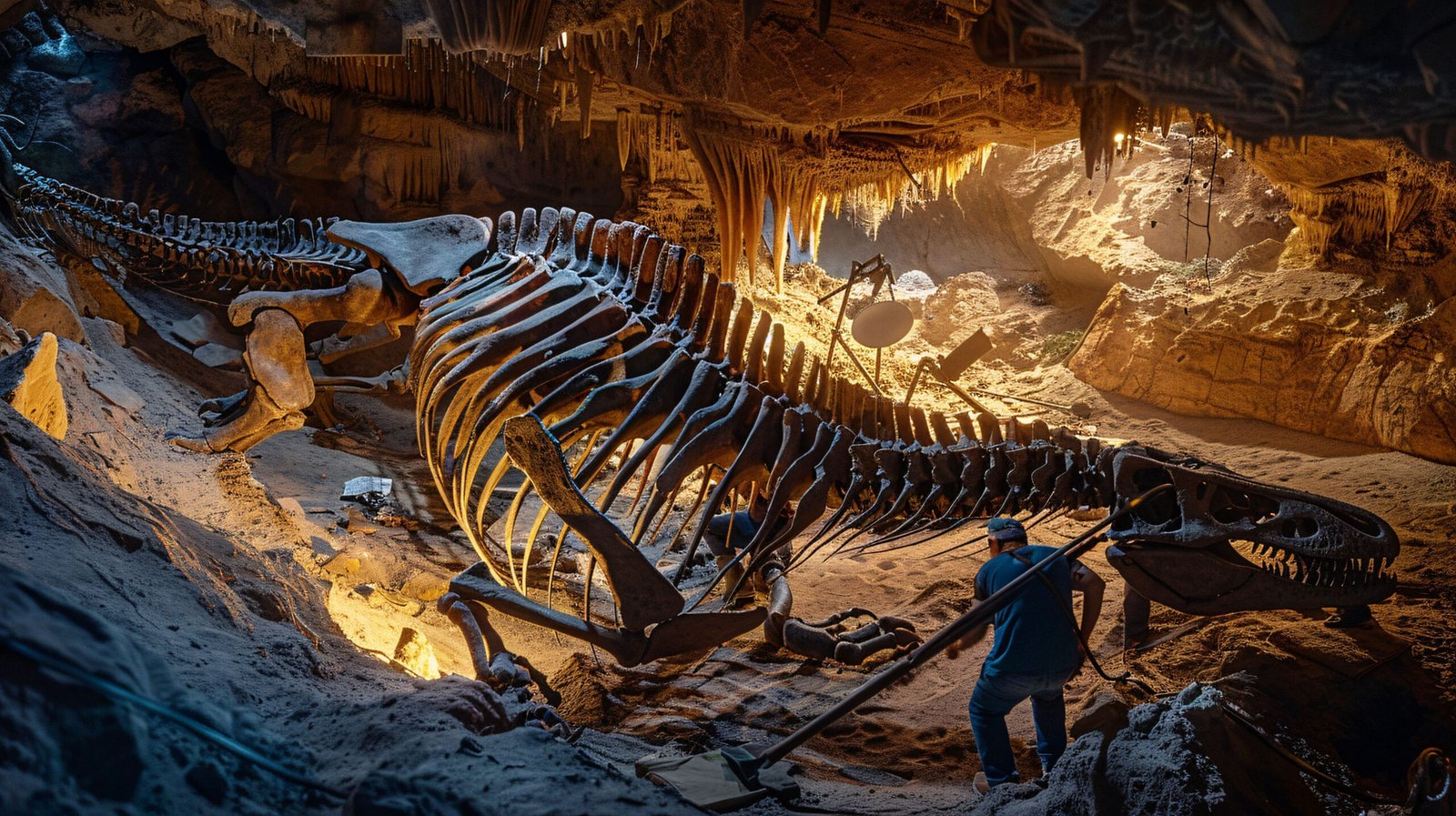
The history of life on Earth stretches back billions of years, and much of what scientists know about ancient plants, animals, and ecosystems comes from the study of fossils. An Anthology of Fossils serves as a fascinating exploration of these preserved traces of prehistoric life, bringing together the stories hidden within rocks, sediment, amber, and ice. Fossils act as natural records that help researchers understand evolution, climate change, extinction events, and the development of life across different geological eras. Whether you are a student, educator, fossil enthusiast, or simply curious about Earth’s distant past, learning about fossils provides valuable insight into how our planet has changed over millions of years. This comprehensive guide explains fossil formation, the major fossil types, their scientific importance, and the remarkable discoveries that continue to reshape our understanding of natural history.

What Is An Anthology of Fossils?

The phrase “An Anthology of Fossils” can be understood as a comprehensive collection or exploration of fossil-related knowledge, bringing together examples, discoveries, scientific explanations, and historical perspectives. Rather than focusing on a single specimen, an anthology presents a broad overview of fossils from different periods, environments, and life forms. It allows readers to appreciate the diversity of preserved organisms and the role fossils play in reconstructing Earth’s biological and geological history.

What Are Fossils?

Fossils are the preserved remains, impressions, or traces of organisms that lived in the distant past. They may include bones, teeth, shells, leaves, footprints, burrows, pollen, or even microscopic organisms. Most fossils are found in sedimentary rocks, where layers of sediment gradually bury and protect organic material from rapid decay. Over long periods, geological processes transform these remains into mineralized records that scientists can study.

Because fossilization is relatively rare, each fossil provides a unique glimpse into ancient ecosystems and helps fill gaps in the history of life.

How Fossils Form

Fossil formation, known as fossilization, usually begins when an organism dies and is quickly buried by sediment such as mud, sand, or volcanic ash. Rapid burial helps protect the remains from scavengers, weathering, and decomposition. Over thousands or millions of years, pressure from additional sediment and the movement of mineral-rich groundwater gradually replaces or preserves the original material. The surrounding sediment hardens into rock, creating a fossil that may eventually be exposed through erosion or geological activity.

Different fossilization processes include mineral replacement, carbonization, molds and casts, permineralization, freezing, drying, and preservation in amber.

Major Types of Fossils

Body Fossils

Body fossils preserve parts of an organism itself, such as bones, teeth, shells, feathers, wood, or leaves. These fossils provide valuable anatomical information that helps scientists classify extinct species and compare them with living organisms.

Trace Fossils

Trace fossils record the activities of ancient organisms rather than their physical remains. Examples include footprints, nests, burrows, feeding marks, and trails. These fossils help researchers understand behavior, movement, and interactions within prehistoric ecosystems.

Mold and Cast Fossils

When an organism decomposes after leaving an impression in sediment, a mold fossil forms. If minerals later fill that impression, a cast fossil develops, creating a three-dimensional replica of the original organism.

Carbon Films

Carbonization preserves a thin layer of carbon left behind after volatile elements disappear. Plant fossils are often preserved through this process, revealing fine details of leaves and stems.

Petrified Fossils

Petrification occurs when minerals gradually replace organic tissues while maintaining their original structure. Petrified wood is one of the best-known examples of this type of fossil preservation.

Why Fossils Are Important

Fossils provide some of the strongest evidence for biological evolution and Earth’s changing environments. They allow scientists to identify extinct species, trace evolutionary relationships, reconstruct ancient climates, and estimate the ages of geological formations. Fossils also reveal how ecosystems responded to environmental changes over millions of years, offering valuable insights that can inform modern scientific research.

Beyond science, fossils inspire public interest in natural history and encourage conservation of important geological sites.

Famous Fossil Discoveries

Throughout history, fossil discoveries have transformed scientific understanding. Well-preserved dinosaur skeletons, ancient marine organisms, early mammals, and fossilized plants have helped researchers reconstruct entire ecosystems. Discoveries of feathered dinosaurs have strengthened evidence for the evolutionary relationship between certain dinosaurs and modern birds, while exceptionally preserved fossils found in amber have revealed ancient insects, spiders, and even microscopic organisms.

Each major discovery contributes another chapter to the story of life on Earth.

The Role of Paleontology

Paleontology is the scientific study of fossils and ancient life. Paleontologists investigate fossil specimens, geological layers, and environmental evidence to understand how organisms evolved, interacted, and adapted over time. Their work combines biology, geology, chemistry, and ecology, making paleontology an interdisciplinary field that continues to produce exciting discoveries.

Modern technologies such as CT scanning, digital imaging, and 3D modeling have significantly expanded researchers’ ability to study fossils without damaging fragile specimens.

Fossils and Education

Fossils play a vital role in science education because they help students visualize Earth’s long history and understand concepts such as evolution, extinction, adaptation, and geological time. Museums, natural history exhibits, and educational field trips provide opportunities for learners to observe authentic fossil specimens and appreciate the diversity of prehistoric life.

Interactive exhibits and digital resources have made fossil education more accessible than ever before.

How Fossils Help Us Understand Climate Change

Ancient fossils preserve evidence of past climates, ocean conditions, and ecosystems. By studying fossilized plants, pollen, corals, and marine organisms, scientists can reconstruct historical climate patterns and compare them with present-day environmental changes. This long-term perspective improves understanding of natural climate variation and helps researchers evaluate current ecological trends.

Ethical Fossil Collecting

Responsible fossil collecting involves respecting local laws, protecting scientifically significant sites, and documenting discoveries accurately. Many countries regulate fossil excavation to preserve important specimens for scientific research and public education. Amateur collectors can contribute positively by reporting notable finds to museums or research institutions rather than removing valuable specimens without documentation.

Future of Fossil Research

New excavation techniques, advanced imaging technologies, and collaborative international research continue to reveal remarkable discoveries about Earth’s prehistoric past. As scientists explore previously inaccessible regions and analyze fossils using innovative methods, future generations are likely to gain an even deeper understanding of ancient biodiversity and planetary evolution.

Conclusion

An Anthology of Fossils represents a journey through Earth’s extraordinary history, bringing together the preserved evidence of organisms that lived millions of years ago. From tiny fossilized microorganisms to towering dinosaur skeletons, fossils provide irreplaceable clues about evolution, extinction, environmental change, and the remarkable diversity of life that has existed on our planet. By studying fossil records, scientists reconstruct ancient ecosystems, improve our understanding of geological history, and inspire curiosity about the natural world. Whether viewed in museums, discovered during field research, or studied in classrooms, fossils continue to connect humanity with the distant past and remind us of Earth’s ever-changing story.

Frequently Asked Questions (FAQ)

1. What is an anthology of fossils?

It refers to a broad collection or comprehensive exploration of fossil-related information, discoveries, and scientific knowledge.

2. What are fossils?

Fossils are preserved remains, impressions, or traces of ancient organisms found primarily in sedimentary rocks.

3. How do fossils form?

Most fossils form when organisms are rapidly buried by sediment and gradually preserved through geological processes over long periods.

4. What are the main types of fossils?

The major types include body fossils, trace fossils, mold fossils, cast fossils, carbon films, and petrified fossils.

5. Why are fossils important?

Fossils provide evidence of evolution, extinct species, ancient climates, and Earth’s geological history.

6. What is paleontology?

Paleontology is the scientific study of fossils and prehistoric life.

7. Where are fossils commonly found?

Most fossils are discovered in sedimentary rock formations, although some are preserved in amber, ice, or tar.

8. Can anyone collect fossils?

Regulations vary by location. Always follow local laws and respect protected fossil sites to preserve scientifically important specimens.

Continue Reading

Trending