
Business
Matt Danzeisen: The Quiet Financial Strategist Behind Silicon Valley Influence

Matt Danzeisen: The Quiet Financial Strategist Behind Silicon Valley Influence
When people talk about power in Silicon Valley, the conversation usually turns toward founders, billionaires, and outspoken investors. Yet influence often comes from people who rarely appear on stage. Matt Danzeisen belongs firmly in that second category. Known publicly by many as the husband of Peter Thiel, Danzeisen has quietly built a long career in finance, investment management, and private capital allocation. His story is less about headlines and more about disciplined decision-making.
What makes his journey interesting is not celebrity. It is contrast. In a world where visibility often gets confused with impact, Danzeisen represents another model entirely: private, analytical, and institution-driven. His work spans major financial institutions, private equity initiatives, and international investment networks—especially across Asia and the United States.
Who Is Matt Danzeisen?
Matt Danzeisen, formally Charles Matthew Danzeisen, is an American financier and investor best known for his work in private investments and portfolio management. Although public awareness of him increased through his relationship with Peter Thiel, his professional background existed long before public attention arrived. Danzeisen developed a reputation inside investment circles through structured capital deployment, cross-border investing, and long-term portfolio thinking.
Unlike founders who become public personalities, Danzeisen appears to have deliberately followed a different path. There are very few interviews, few public speeches, and minimal social presence. That absence has fueled curiosity. People often search for him expecting a celebrity profile and instead discover a career built inside institutions and investment firms.
His professional identity reflects a classic finance trajectory: education, analytical training, banking exposure, institutional asset management, and eventually private capital leadership. That progression tells a bigger story about how influence in modern markets is frequently exercised quietly.
Why His Name Draws Public Interest
Public interest around Danzeisen increased substantially after his marriage to Peter Thiel became public in 2017. Reports described the event as a surprise wedding revealed during what guests believed was a birthday celebration in Vienna.
Still, reducing Danzeisen to a relationship label misses most of the picture.
People continue searching his name because of three overlapping reasons:
| Factor | Why It Matters |
|---|---|
| Finance Career | Leadership across investment and portfolio management |
| Silicon Valley Connection | Close proximity to major technology investment decisions |
| Personal Privacy | Limited public information creates curiosity |
His visibility exists almost accidentally—created more by surrounding influence than self-promotion.
Early Life and Educational Foundations
One of the most unusual aspects of Matt Danzeisen’s profile is how little personal history exists publicly. That absence itself says something. Many executives build narratives around childhood ambition and entrepreneurial mythology. Danzeisen appears to have avoided that route.
Available public reporting connects him academically to Cornell University, where he completed studies tied to finance and economics and later became a CFA charterholder—one of the most recognized credentials in investment management.
Growing Up Away From Public Attention
Unlike media personalities, Danzeisen has maintained a remarkable boundary between private and public identity.
That approach shaped his professional image. Instead of personal branding, his reputation formed through execution. In finance, that often carries more weight than visibility. Investors rarely care who gives the loudest interview; they care who consistently makes strong decisions over time.
His low-profile approach now feels almost unusual in an era dominated by social platforms and personal brands.
Academic Background and Professional Credentials
Education appears to have played an important role in preparing Danzeisen for global investment work.
His profile includes:
- Finance studies
- Economics training
- CFA qualification
- Exposure to international markets
Those credentials point toward deep analytical discipline rather than entrepreneurial improvisation. The CFA charter especially signals expertise across ethics, valuation, asset management, and portfolio construction.
Finance professionals often compare investment training to learning chess instead of poker. You are not trying to win one move. You are building systems that outperform over decades.
Building a Career in Finance
Every major investment career has a phase where technical knowledge turns into real-world execution. For Danzeisen, that process began inside traditional financial institutions.
Public reporting indicates he worked in investment banking roles before joining larger asset-management organizations. Those early years likely exposed him to capital markets, transaction structures, and international finance.
Early Banking Experience
Danzeisen reportedly worked with Banc of America Securities Asia around the early 2000s. That timing matters.
Asia during that period represented one of the fastest-changing investment environments in the world. Technology growth, industrial expansion, and increasing cross-border capital flows created opportunities for finance professionals with global thinking.
Working across those environments often develops a different investment perspective compared with purely domestic careers.
The BlackRock Years
One of the most notable parts of Danzeisen’s professional record is his period at BlackRock.
Reports identify him as serving in leadership and portfolio responsibilities before moving into private investment operations.
BlackRock operates at enormous scale. Experience there typically involves:
- Risk management
- Institutional portfolio construction
- Market research
- Long-term allocation strategy
Exposure to that environment likely shaped the disciplined investment style associated with Danzeisen today.
Transition Into Private Investment
By 2008, Danzeisen transitioned into the investment ecosystem connected with Thiel Capital.
This shift represented more than a career change.
Institutional asset management and private investing reward different behaviors.
Institutional finance emphasizes process, regulation, and broad diversification.
Private investing rewards conviction, concentration, and identifying opportunities before consensus forms.
Danzeisen’s movement between both worlds positioned him uniquely.
Entering the World of Thiel Capital
Danzeisen eventually became associated with Thiel Capital, where reporting identifies him as portfolio manager and head of private investments.
That role placed him inside one of Silicon Valley’s most closely watched investment ecosystems.
Portfolio Leadership and Investment Strategy
Private investment leadership involves balancing ambition and restraint.
Investment managers evaluate:
- Growth potential
- Competitive positioning
- Market timing
- Capital efficiency
- Geographic opportunities
Reports suggest Danzeisen focused substantially on private company investments across both the United States and Asia.
That regional focus is notable because Asia has increasingly become central to technology manufacturing, supply chains, and venture expansion.
Expanding Influence Across Asia
Multiple reports connect Danzeisen to investment initiatives and business relationships across Asia-Pacific markets. Activities described include capital partnerships and strategic investment participation.
Cross-border investing requires more than spreadsheets.
It demands understanding:
- Regulatory systems
- Political environments
- Consumer behavior
- Cultural decision-making
That international orientation appears to be one of Danzeisen’s strongest professional themes.
Crescendo Equity Partners and Broader Investment Work
Public records also associate Danzeisen with Crescendo Equity Partners, adding another layer to his investment profile.
Private equity differs from public-market investing because ownership often becomes more active.
Instead of buying shares and waiting, investors frequently work directly with businesses.
Private Equity Philosophy
Private equity can feel like renovating a house instead of trading real estate.
Investors improve operations, guide growth, allocate resources, and help companies scale.
Professionals operating in this space usually focus on:
| Investment Dimension | Objective |
|---|---|
| Capital Allocation | Sustainable growth |
| Governance | Better decisions |
| Operations | Efficiency |
| Expansion | Long-term value |
Danzeisen’s career reflects this longer-horizon thinking.
Matt Danzeisen and Peter Thiel
Any discussion of Danzeisen eventually intersects with Peter Thiel because public awareness of one often drives curiosity about the other.
The relationship became publicly recognized through their marriage in 2017. Reports described the event as intentionally low-profile despite widespread media interest afterward.
A Relationship Away From Headlines
Despite public attention, both individuals maintain relatively private personal boundaries.
That privacy creates an unusual dynamic.
One partner has become one of technology’s most visible investors.
The other has remained largely behind the scenes.
That contrast continues to attract public fascination.
Their Marriage and Public Attention
Coverage of their marriage frequently emphasized surprise rather than spectacle.
That detail aligns with Danzeisen’s broader public image: reserved, controlled, and outside celebrity culture.
Public attention did not appear to change his professional positioning.
He continued operating primarily in investment environments rather than public-facing roles.
Leadership Style and Public Image
Leadership today often gets associated with visibility.
Danzeisen’s profile suggests something different.
His career implies influence can also come through:
- Quiet decision-making
- Relationship building
- Analytical rigor
- Long-term execution
Why He Avoids Celebrity Culture
There is no strong evidence that Danzeisen actively seeks public recognition.
That may sound ordinary, but in finance and technology circles it is increasingly uncommon.
The absence of constant public communication can itself become strategic. It keeps focus on outcomes rather than narratives.
Many of the world’s largest capital allocators operate this way.
Influence in Technology and Venture Capital
Danzeisen’s proximity to venture ecosystems and investment networks means his work extends beyond traditional finance.
Reports connect him with investment boards and strategic initiatives involving technology-oriented businesses.
Board Participation and Strategic Roles
Board participation is often underestimated.
It involves:
- Capital oversight
- Governance
- Strategic direction
- Risk evaluation
Professionals serving in these roles influence outcomes without becoming public figures.
That appears consistent with Danzeisen’s broader professional identity.
Lessons From Matt Danzeisen’s Career
Matt Danzeisen’s trajectory offers several practical insights.
First, visibility and influence are not the same thing.
Second, international experience creates long-term advantages.
Third, strong credentials still matter in industries built on trust and capital.
His career also shows that moving between institutional finance and private investing can create unusual leverage. You develop structure from one environment and flexibility from another.
In many ways, Danzeisen represents a version of modern success that receives less attention but often builds deeper foundations.
Conclusion
Matt Danzeisen remains one of the more intriguing figures connected to modern finance and Silicon Valley—not because he constantly appears in public, but because he rarely does.
His career stretches from banking and institutional asset management into private investment leadership and international finance. Public interest may have grown through his marriage to Peter Thiel, yet his professional identity stands independently through years of investment work, strategic leadership, and global capital experience.
His story suggests something increasingly rare: influence does not always announce itself.
Frequently Asked Questions
1. Who is Matt Danzeisen?
Matt Danzeisen is an American financier, investor, and portfolio manager known for work in private investments and leadership roles associated with Thiel Capital.
2. What is Matt Danzeisen known for?
He is known for investment management, finance leadership, international investment work, and being married to Peter Thiel.
3. Where did Matt Danzeisen study?
Public records associate him with Cornell University and professional finance credentials including CFA certification.
4. Did Matt Danzeisen work at BlackRock?
Yes. Public reporting identifies him as having served in investment and portfolio roles at BlackRock before moving into private investment leadership.
5. Is Matt Danzeisen active publicly?
He is generally known for maintaining a low public profile while continuing investment-related activities.


Introduction
The world is experiencing an unprecedented wave of urbanization. By the middle of this century, nearly 70% of the global population will live in cities. This immense shift presents a formidable challenge: how can we design urban environments that are not only functional and efficient but also sustainable, equitable, and deeply human? The answer may lie in a new, forward-thinking movement known as Axurbain . This concept is redefining our relationship with city life, moving beyond traditional urban planning to create vibrant ecosystems where innovative design, environmental stewardship, and community well-being converge.
Axurbain is more than just a buzzword; it represents a holistic philosophy that integrates modern architecture, smart technology, and sustainable practices to build cities that prioritize people and the planet . It stands as a response to the growing problems of congestion, pollution, and social disconnect that plague many metropolises. By exploring the core principles of Axurbain, we can understand its profound impact on everything from residential communities to public spaces, and discover a promising blueprint for the cities of tomorrow.
What is Axurbain? Understanding the Core Concept
At its heart, the concept of Axurbain can be understood as a vision for a “future-ready” city . The name itself, a portmanteau often linked to “architecture,” “urban,” and “sustainability,” encapsulates its mission to blend human-centric design with ecological consciousness . It is a framework that challenges the conventional “concrete jungle” image of cities, promoting instead a vision of urban spaces as living, breathing ecosystems where technology and nature coexist to enhance the quality of life .
Unlike traditional urban planning that often prioritizes traffic flow and commercial zones, Axurbain puts people at the center of the design process. This human-centered approach asks fundamental questions: Is this street walkable? Is this park accessible? Does this building save energy and contribute to the community’s vibrancy? It moves beyond aesthetics to focus on the full experience of city life, including emotional comfort, social connection, and environmental responsibility . The idea is to create seamless connections among people, nature, and technology, making cities more livable, resilient, and inspiring for all residents.
The Key Principles of Axurbain: Design for a Better Tomorrow
These core pillars ensure that urban development is not just about constructing buildings, but about crafting a better society.
Sustainability and Green Infrastructure
Sustainability is arguably the most critical element of Axurbain. This goes far beyond adding a few trees to a sidewalk. It involves a comprehensive approach to eco-friendly living, integrating green infrastructure into every facet of the cityscape . This includes the use of energy-efficient building designs with passive heating and cooling, the installation of green roofs and vertical gardens to combat the urban heat island effect, and the widespread adoption of renewable energy sources like solar and wind power .
The goal is to reduce the city’s carbon footprint while creating healthier environments for residents. For instance, sustainable materials such as bamboo and recycled wood are used in construction, and waste management systems are reimagined to minimize landfill use . This principle ensures that cities can grow and thrive without depleting the resources of future generations.
Smart and Responsive Technology
In the age of digital transformation, technology plays a pivotal role in the Axurbain vision. Smart cities are not just about having high-speed internet; they are about using technology as the backbone of an efficient and responsive urban environment . This means leveraging the Internet of Things (IoT), sensors, and data analytics to manage city services more effectively.
Practical examples include traffic sensors that adjust traffic lights to reduce congestion, smart waste bins that alert collectors only when they are full, and building automation systems that optimize energy use . However, the Axurbain approach to technology is always mindful of the human element. It aims to make city life more convenient and less stressful, ensuring that digital tools serve people’s needs without making daily life feel cold or overly complex .
Community, Walkability, and Human-Centric Design
Perhaps the most distinguishing feature of Axurbain is its relentless focus on community and human experience. This is achieved through the creation of vibrant public spaces—parks, plazas, and pedestrian-friendly streets that serve as the “living rooms” of the city .
Key design elements include wider sidewalks, safe crosswalks, and abundant seating areas to encourage walking and social interaction. The concept of “mixed-use” development is central here, where residential, commercial, and leisure spaces are integrated to create neighborhoods where people can live, work, and play without relying heavily on cars . This approach not only reduces traffic but also supports local economies and strengthens community bonds .
Real-World Applications: Successful Axurbain Projects
The principles of Axurbain are not merely theoretical; they are being successfully implemented in cities around the world, showcasing the tangible benefits of this innovative design philosophy.
The High Line, New York City
A quintessential example of urban renewal, the High Line is an elevated linear park built on a disused railway track. This project perfectly embodies the Axurbain principle of adaptive reuse, transforming an industrial relic into a vibrant green space that attracts millions of visitors and fosters community interaction . It demonstrates how innovative design can inject new life into a neighborhood, spurring economic and cultural development.
Barcelona’s Superblocks
In Barcelona, the city has taken a bold step to reclaim streets from cars and give them back to people. The “superblocks” initiative restricts traffic within a grid of streets, turning them into pedestrian-friendly zones filled with seating, playgrounds, and green spaces . This project directly addresses the “15-minute city” concept, making amenities more accessible and dramatically improving the quality of life for residents by reducing noise and pollution.
Singapore’s Gardens by the Bay
Singapore’s Gardens by the Bay is a stellar example of how technology and nature can fuse to create awe-inspiring urban environments. Its iconic Supertree structures are not just visually striking; they serve as vertical gardens that collect rainwater and generate solar power .
The Impact and Future of Axurbain in Urban Environments
The adoption of Axurbain principles has a profound and wide-ranging impact on urban life. By prioritizing walkability and public spaces, it encourages healthier lifestyles and improves public health outcomes . The integration of nature, such as trees and water features, has also been shown to reduce stress and improve mental well-being for residents. Environmentally, cities that adopt these strategies see significant reductions in their carbon footprints through energy-efficient buildings and sustainable transport systems .
Despite its immense potential, the movement is not without its challenges. Critics often point to the high initial costs of integrating sustainable materials and advanced technologies, which can make Axurbain projects less accessible for lower-income communities . Ensuring genuine community engagement in the planning process can also be difficult, as can navigating complex regulatory hurdles . However, as more success stories emerge and the demand for inclusive, sustainable public spaces grows, the adoption of Axurbain is expected to accelerate globally . Its vision of balanced, resilient, and vibrant cities offers a compelling path forward for a rapidly urbanizing world.
Conclusion
Axurbain is not just a trend in architecture or city planning; it is a fundamental shift in how we think about and build our urban environments. By moving beyond a focus on mere functionality, it offers a holistic vision for creating cities that are sustainable, technologically integrated, and deeply rooted in community and human well-being . The movement embraces a future where city living is synonymous with clean air, safe and walkable streets, accessible green spaces, and a strong sense of social connection.
As cities worldwide grapple with the pressures of climate change, population growth, and social inequality, the principles of Axurbain provide a vital and actionable blueprint for a better tomorrow. The challenge lies in scaling these ideas, overcoming financial and bureaucratic hurdles, and ensuring that the benefits of this human-centered design are shared by all. The future of our cities depends on embracing such transformative visions—moving from concrete jungles to vibrant, sustainable, and inclusive ecosystems where both people and nature can thrive for generations to come.
Frequently Asked Questions (FAQ)
What is the main goal of Axurbain?
The primary goal of Axurbain is to redesign urban spaces to be more sustainable, livable, and human-centric. It aims to create cities that integrate technology and nature to improve the quality of life for all residents, moving away from the traditional model of congested, polluted cities .
How does Axurbain use technology to improve cities?
Axurbain uses smart technology, such as IoT sensors and data analytics, to improve city efficiency. This includes systems for real-time traffic management, smart waste collection, energy-efficient building automation, and providing data to help city planners make better decisions .
What are some examples of Axurbain projects?
Successful examples include the High Line in New York City (an elevated park), Barcelona’s “superblocks” (car-free, pedestrian-centric zones), and Singapore’s Gardens by the Bay (a tech-integrated nature park) .
What challenges does the Axurbain movement face?
The movement faces challenges such as the high initial cost of sustainable materials and technologies, which can lead to concerns about affordability for low-income communities. There are also challenges in ensuring genuine community participation in planning and navigating existing government regulations .
How does Axurbain promote sustainability in urban design?
Axurbain promotes sustainability by integrating green infrastructure into city planning. This includes using energy-efficient buildings, installing green roofs and vertical gardens, relying on renewable energy sources, and promoting sustainable materials in construction .
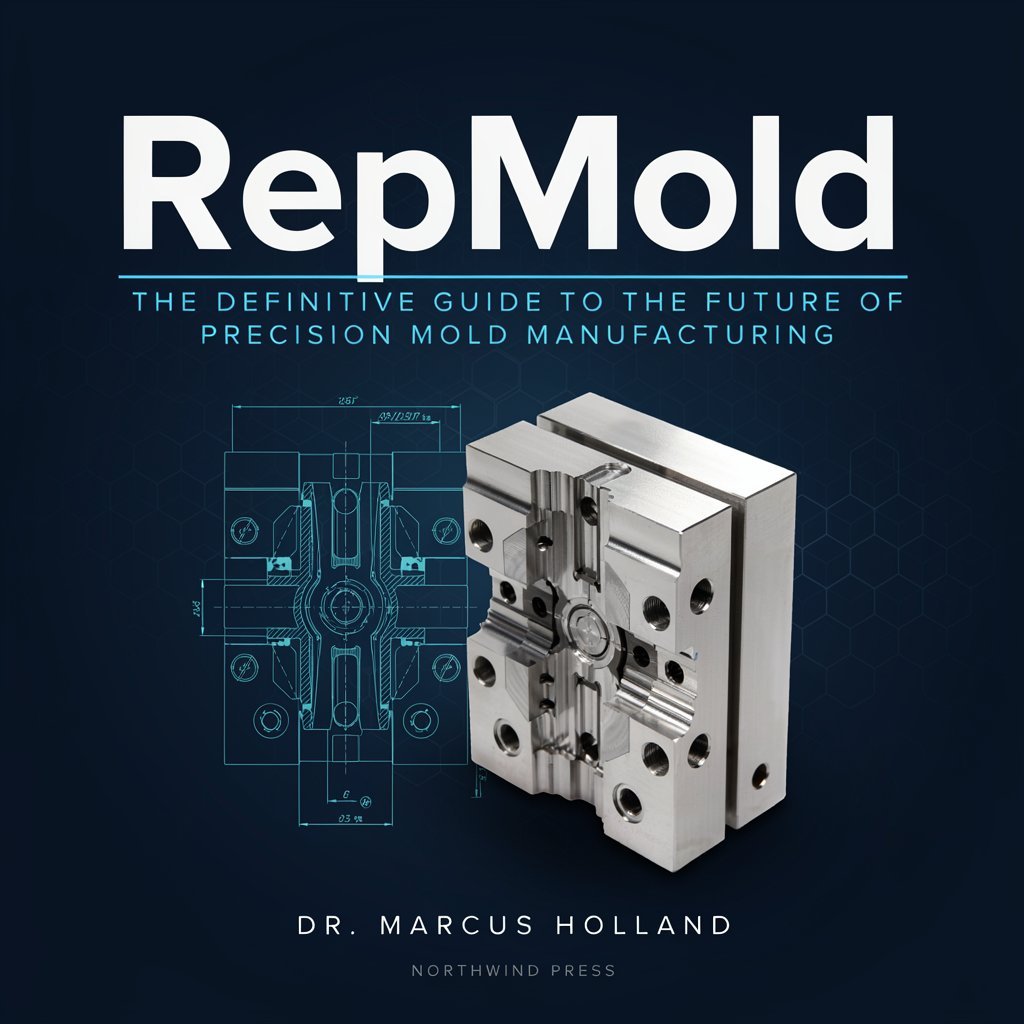
Introduction
In the fast-paced world of modern manufacturing, the ability to innovate rapidly while controlling costs is the key differentiator between market leaders and those who fall behind. For decades, the industry has been constrained by traditional mold-making methods that are notoriously time-consuming, labor-intensive, and prohibitively expensive. These conventional processes, which rely heavily on manual tooling and subtractive manufacturing, often create significant bottlenecks in product development cycles, stifling innovation and delaying time-to-market. However, a revolutionary force is reshaping this landscape: RepMold. This comprehensive guide delves deep into the world of RepMold, exploring how this advanced technology is redefining the standards of speed, precision, and sustainability in manufacturing.
What is RepMold? A Simple Explanation of the Technology
At its core, RepMold represents a fundamental paradigm shift in mold manufacturing, moving away from the constraints of traditional methods toward a flexible, digital-first approach. It is an advanced manufacturing methodology that leverages cutting-edge technologies like computer-aided design (CAD), 3D printing (additive manufacturing), and automation to create high-precision molds quickly and cost-effectively. Think of RepMold as a bridge between the old world of manufacturing and the new. It retains the durability and reliability of traditional molds but introduces a level of flexibility, speed, and precision that was previously unattainable with conventional techniques. Instead of relying on manual sculpting or weeks of complex machining, RepMold uses a digital workflow. A designer creates a detailed blueprint of the desired mold using CAD software, which is then used to drive automated or semi-automated processes to produce the physical tool. This can involve 3D printing the mold layer by layer, a process known as additive manufacturing, or combining additive and subtractive techniques in what is called hybrid manufacturing.
The Core Technologies That Make RepMold Work
The power of RepMold lies in its seamless integration of several breakthrough technologies that work in concert to revolutionize the manufacturing process. At the heart of the system is sophisticated CAD software, which allows engineers and designers to create intricate and highly detailed digital models of the mold. This digital blueprint is the single source of truth for the entire process, ensuring that every detail is captured and can be precisely replicated. The digital design is then brought to life using advanced manufacturing techniques, most notably 3D printing. This additive manufacturing process builds molds layer by layer, enabling the creation of complex geometries—such as intricate internal channels and undercuts—that are almost impossible to achieve with traditional, subtractive machining. A key advantage of this layer-by-layer construction is the dramatic reduction in material waste; you are building only what you need rather than cutting away from a block of material. Finally, automation plays a vital role in ensuring consistency and efficiency. Robotic arms and automated quality control systems can monitor and adjust the manufacturing process in real-time, reducing the potential for human error and guaranteeing that each mold meets rigorous quality standards. This integration of digital design, additive manufacturing, and automation is what makes RepMold a powerful and reliable solution for modern manufacturing challenges.
The RepMold Process: From Concept to Production
Understanding the step-by-step process of RepMold helps to appreciate its efficiency and the value it brings to product development. The journey from a concept to a functional mold is streamlined into a series of well-defined stages that prioritize speed and precision. The process begins with the conceptual design and creation of a digital model using advanced CAD software, ensuring every intricate detail of the desired part is captured. Before any physical production begins, the digital mold is rigorously tested using sophisticated simulation tools. This step is critical, as it predicts potential issues like stress points, material flow problems, or cooling inefficiencies, allowing designers to address them virtually and avoid costly mistakes in the physical world. Once the design is validated, a rapid prototype of the mold is produced, often using 3D printing. This prototype can be tested and physically evaluated, and any necessary adjustments are made quickly and inexpensively—a luxury that traditional methods cannot afford. With the design finalized, the final mold is produced using high-performance materials chosen for their specific application, whether it’s durability, heat resistance, or compatibility with the product material. The final production uses precision machining, automated assembly, or hybrid manufacturing to faithfully recreate the digital model. The finished mold then undergoes a final, strict quality control process to ensure it meets all specifications and is ready for production use.
RepMold vs. Traditional Molding: A Direct Comparison
To truly understand the impact of RepMold, it is essential to directly compare it to traditional injection molding, the conventional industry standard. The most glaring differences are in lead time and cost. Traditional manufacturing is a slow and expensive process, with lead times of 8 to 16 weeks and initial tooling costs ranging from $15,000 to over $100,000. In stark contrast, RepMold can produce a functional mold in just 3 to 10 days with a tooling cost between $500 and $10,000. This dramatic reduction in both time and upfront investment fundamentally changes the economics of product development. Furthermore, traditional methods punish design changes with staggering costs of $5,000 to $50,000 per modification, as any alteration requires significant rework on the expensive tooling. RepMold, however, is inherently flexible; a design change often simply requires a new mold to be produced at a fraction of the cost, making iteration economically viable. This flexibility translates to minimum order quantities; traditional molding only becomes economical for high-volume runs of 1,000 to 10,000+ units, whereas RepMold is highly cost-effective for small batches of 10 to 500 units.
The Transformative Benefits of Using RepMold
The advantages of adopting RepMold technology are profound, offering tangible business benefits that directly impact a company’s bottom line and competitive positioning.
Dramatically Reduced Time to Market
In industries where being first matters, RepMold provides an unparalleled advantage. The ability to move from concept to market-ready product in weeks rather than months accelerates development cycles and allows companies to launch products while competitors are still waiting for their traditional tooling. This speed is not just a convenience; it is a strategic imperative in sectors like consumer electronics, medical devices, and automotive accessories.
Unprecedented Cost Efficiency
RepMold fundamentally alters the financial risk associated with new product development. Traditional tooling’s high upfront costs create enormous pressure to “get it right the first time,” often leading to conservative designs and missed opportunities. With RepMold‘s cost-effective mold-making, the financial risk of testing bold ideas or responding to customer feedback drops dramatically. Multiple design iterations become feasible within budgets that wouldn’t cover a single traditional mold. This not only fosters innovation but also allows companies to validate their designs in the real world before committing to the substantial expense of high-volume production tooling, saving significant capital and reducing waste.
Superior Precision and Customization
RepMold is not just about speed; it is about achieving a level of precision that was previously difficult to attain. The digital workflow, driven by CAD and automated manufacturing, ensures a level of accuracy and consistency that manual processes cannot match. This precision translates into higher reliability in downstream manufacturing and reduced material waste. Furthermore, the technology enables a high degree of customization. RepMold excels at creating complex geometries and intricate designs, allowing manufacturers to produce highly detailed components that meet exact specifications. This capability is particularly valuable for industries with stringent tolerances, such as aerospace and medical device manufacturing, and for creating prototypes that are functional representations of the final product.
Enhanced Sustainability
Modern manufacturing is under increasing pressure to adopt sustainable practices, and RepMold rises to meet this challenge. By utilizing additive manufacturing and efficient digital workflows, RepMold significantly cuts down on material waste, a common issue with traditional subtractive methods that often generate large amounts of scrap. The process is also more energy-efficient, leading to lower carbon emissions and a smaller overall environmental footprint. Many materials used in the RepMold process are recyclable or can be repurposed, promoting a circular economy. For companies looking to enhance their green credentials and meet sustainability goals, RepMold offers a compelling and environmentally responsible alternative.
Diverse Industry Applications of RepMold
The versatility of RepMold makes it an invaluable tool across a wide range of industries, each benefiting from its unique capabilities. The technology’s ability to produce complex, high-precision components quickly and cost-effectively makes it a preferred choice for manufacturers seeking a competitive edge.
Automotive Manufacturing: RepMold is used to produce lightweight, high-strength components that meet strict safety standards while reducing production costs and lead times. It allows for rapid prototyping of new parts and facilitates design changes based on rigorous testing.
Aerospace: The aerospace industry demands components with complex geometries and high precision, often using advanced materials. RepMold’s ability to create detailed, customized parts with minimal tooling makes it an ideal solution.
Electronics and Consumer Goods: In these sectors, where rapid product cycles and miniaturization are key, RepMold enables the creation of compact, precise components quickly. It allows companies to prototype and test new designs, dramatically reducing market reaction times and shortening product development cycles.
Medical Devices: The medical field leverages RepMold for creating accurate, biocompatible components that are critical for patient safety and clinical success. The technology’s precision is essential for meeting stringent regulatory requirements while producing complex products.
Success Stories: Companies Using RepMold
The theoretical benefits of RepMold are validated by the real-world successes of companies that have integrated it into their workflows. These examples demonstrate the technology’s profound impact on efficiency, productivity, and quality across various sectors. For instance, a prominent automotive parts company utilized RepMold technology to build intricate components with exceptional accuracy, successfully cutting down both their production time and material waste. In another case, a consumer electronics company adopted RepMold during the prototyping stage and experienced significantly shortened product development cycles, enabling them to bring new products to market much faster than their competitors. Perhaps one of the most compelling applications is in the medical device industry, where a company demonstrated how RepMold allowed them to satisfy stringent regulatory requirements while producing complex, high-quality parts with minimal material use.
The Impact of RepMold and Its Potential for Growth
The impact of RepMold on the mold-making industry is profound and its potential for future growth is immense. By leveraging advanced technology, it directly addresses the limitations of traditional methods, paving the way for unprecedented efficiency and precision. Companies that have adopted RepMold are experiencing shorter lead times, reduced costs, and the ability to bring higher-quality products to market faster. As industries continue to seek faster production cycles and higher quality outputs, RepMold stands out as a game-changer that enhances product designs and boosts competitiveness in an ever-evolving market. Looking ahead, RepMold is poised for significant expansion. With ongoing research and development, there is potential for even more breakthroughs in mold making processes. As businesses increasingly recognize these advantages, we can anticipate a widespread shift toward smarter manufacturing practices centered around solutions like RepMold.
Conclusion
RepMold represents a paradigm shift in the world of manufacturing, offering a powerful fusion of technological innovation, precision, and sustainability. By streamlining production processes, enhancing material versatility, and supporting rapid prototyping, the technology empowers businesses to accelerate innovation while maintaining high standards of quality. It provides a clear and direct solution to the age-old problems of high costs, long lead times, and inflexible design changes that have long plagued the industry. For manufacturers, the message is clear: the future of mold-making is digital, fast, and cost-effective.
Frequently Asked Questions (FAQ)
1. What exactly is RepMold?
RepMold is a modern approach to mold manufacturing that combines digital design (CAD), additive manufacturing (like 3D printing), and automation to create precision molds faster and more cost-effectively than traditional methods. It is ideal for rapid prototyping, bridge tooling, and low-to-medium volume production.
2. How does RepMold compare to traditional injection molding in terms of cost?
Traditional injection molding requires a substantial upfront investment, typically costing between $15,000 and over $100,000 for tooling, with lead times of 8-16 weeks. In contrast, RepMold tooling can cost between $500 and $10,000 and be produced in just 3-10 days, making it significantly more affordable for product development and small production runsass=””>.
3. What are the main benefits of using RepMold?
The primary benefits include a dramatic reduction in time to market, significantly lower upfront costs, the ability to make design changes easily and affordably, and a higher degree of precision and customization. It also contributes to sustainability by reducing material waste and energy consumption.
4. Which industries can benefit most from RepMold technology?
RepMold is highly versatile and benefits a wide range of industries, including automotive, aerospace, consumer electronics, medical devices, and consumer goods. Any sector that requires high-precision, custom parts or rapid product development cycles can leverage this technology.
5. Is RepMold suitable for high-volume mass production?
While RepMold excels at rapid prototyping and lower-volume production, it is not typically the most economical choice for extremely high-volume runs (e.g., millions of parts). Traditional steel molds, while costly and slow to produce, are more durable for high-volume needs. However, RepMold is often used as a “bridge” solution to start production while a final, high-volume mold is being manufactured.

Aluminum Fence Installation: A Complete Step-by-Step Guide

Tang Math Equation Answers: A Complete Guide to Solving Problems Step by Step

Eskute C100-BK-SS: Complete Guide, Features, Design and Buying Tips

Basket Random Unblocked: The Ultimate Guide to the Chaotic Basketball Game Everyone Loves in 2026

EzClasswork: A Complete Guide to Understanding the Online Learning Platform, Features, Benefits, and Educational Impact

Queen’s Feast Charlotte Restaurant Week: A Complete Guide for Food Lovers
 game3 months ago
Basket Random Unblocked: The Ultimate Guide to the Chaotic Basketball Game Everyone Loves in 2026
- game3 months ago
EzClasswork: A Complete Guide to Understanding the Online Learning Platform, Features, Benefits, and Educational Impact
- food3 months ago
Queen’s Feast Charlotte Restaurant Week: A Complete Guide for Food Lovers
- Entertainment3 months ago
Antonimar Mello: The Private Life Behind a Public Spotlight
- game3 months ago
Pixel Speedrun: The Ultimate Guide to Understanding, Playing, and Mastering the Fast-Paced Pixel Challenge
- game3 months ago
GunSpin: The Ultimate Guide to the Addictive Physics-Based Shooting Game (2026)
- Business3 months ago
Stormuring Explained: Meaning, Origins, Applications, and Why It Matters
- Fashion3 months ago
Dojen Moe: Meaning, Origins, and Why the Internet Is Talking About It in 2026