
food
The Cyclops Shark: Unraveling the Mystery of the One-Eyed Predator

Published
2 months agoon

Table of Contents
ToggleIntroduction
The ocean, covering more than seventy percent of our planet’s surface, remains one of the last great frontiers of exploration, harboring creatures that continue to astonish and mystify scientists and the public alike. Among the most remarkable discoveries in recent years is the so-called “Cyclops shark,” a rare and startling specimen that appears to have stepped straight out of ancient Greek mythology into the modern world. When news first broke of a shark fetus with a single functioning eye positioned in the center of its head, many dismissed the photographs as elaborate hoaxes or Photoshop fabrications. However, scientific examination confirmed that this phenomenon is not a myth but a genuine, albeit exceedingly rare, developmental anomaly known as cyclopia. This condition, which occurs across multiple species including humans, results in the formation of a single eye cavity and represents a profound disruption of normal embryonic development. The Cyclops shark has captured the imagination of people worldwide, serving as a powerful reminder that despite our advanced understanding of marine biology, the depths of the ocean still hold surprises that challenge our assumptions about the natural world. This article delves deep into the fascinating story of the Cyclops shark, exploring its discovery, the science behind its condition, and what these rare specimens tell us about the complex processes of life beneath the waves.
What is a Cyclops Shark
The term “Cyclops shark” refers not to a distinct species but rather to any shark specimen displaying a rare congenital condition called cyclopia. This condition causes the developing embryo’s forebrain to fail in dividing the eye orbits into two separate cavities during the earliest stages of growth, resulting in a single, centrally positioned eye. While this phenomenon can theoretically occur in any shark species, documented cases are exceptionally limited, with fewer than fifty recorded examples of such abnormalities in scientific literature .
The cyclopia defect emerges from a complex interplay of genetic and environmental factors during embryonic development, specifically during the formation of the prosencephalon, or forebrain. This structure normally splits into two hemispheres and creates the foundation for paired eye sockets. When this division fails to complete properly, the result is holoprosencephaly, a spectrum of developmental disorders where cyclopia represents the most severe manifestation . In sharks, as in other vertebrates, this condition is typically fatal, with affected embryos rarely surviving to birth or living beyond a few hours outside the womb .
The Cyclops shark gained worldwide attention through two prominent discoveries, each separated by nearly a decade, which confirmed that this phenomenon was not a digital creation but a natural biological occurrence. These specimens have provided scientists with valuable opportunities to study developmental abnormalities in marine predators and have sparked renewed public interest in the diversity and complexity of shark biology.
The 2011 Discovery: The First Modern Confirmation
The story of the Cyclops shark first captivated the world in mid-2011 when fisherman Enrique Lucero León made an extraordinary catch while trolling the waters near Cerralvo Island in the Gulf of California . León legally hooked a pregnant dusky shark, a species classified as endangered, and upon cutting open his catch as part of normal processing, he discovered ten shark fetuses within the womb. While nine of the embryos appeared perfectly normal, the tenth was immediately recognizable as something extraordinary: a twenty-two-inch-long male fetus with albino coloration and a single eye positioned squarely in the center of its head .
The discovery was first publicized through photographs posted on Facebook and the blog of Pisces Fleet Sportfishing, a local sportfishing company, where the images quickly went viral . The internet response was immediate and characterized by widespread skepticism. Many viewers dismissed the images as digital manipulations, pointing to the creature’s uncanny resemblance to fictional characters such as Mike Wazowski from the animated film Monsters, Inc. The sheer strangeness of the specimen, combined with the prevalence of online hoaxes, led many to question the authenticity of the find .
However, the scientific community took the discovery seriously. Biologists Felipe Galván-Magaña and Marcela Bejarano-Álvarez from the Interdisciplinary Center of Marine Sciences in La Paz, Mexico, obtained León’s permission to borrow the shark for research purposes . The team conducted X-ray examinations of the specimen and reviewed extensive research on cyclopia in other species to confirm the authenticity of the discovery . Their investigation confirmed that the single eye contained functional optical tissue, making it a genuine biological specimen rather than a hoax . Galván-Magaña, an expert shark researcher, described the find as “extremely rare,” noting that fewer than fifty examples of such abnormalities had ever been documented .
The 2011 discovery represented a landmark moment in marine biology, providing the first well-documented case of cyclopia in a shark that could be scientifically examined and authenticated. The specimen’s combination of cyclopia and albinism made it particularly valuable for research, and Galván-Magaña and his colleagues subsequently prepared a scientific paper detailing their findings for publication in a peer-reviewed journal .
The Indonesian Discovery: A Second Specimen Emerges
Nearly a decade after the Mexican discovery, another Cyclops shark emerged, this time off the coast of Maluku province in Indonesia, demonstrating that this rare phenomenon was not an isolated occurrence . In October 2020, a group of fishermen operating in the waters near the province caught an adult shark in their fishing nets. Following standard practice, they cut open the larger shark to remove its guts, only to discover three shark fetuses inside, one of which displayed the unmistakable characteristics of cyclopia: a single large eye in the center of its head and a milky-white body consistent with albinism .
The fishermen, led by a man named Andy, were startled by their discovery. As Andy recounted to local media, “We found three babies inside its stomach, but one of them looked strange with only one eye. Its colour was strange too, like milk” . The creature was already dead when found, consistent with the pattern observed in the 2011 specimen where affected embryos typically do not survive outside the womb. The fishermen reported their unusual find to the local marine office and turned over the baby shark for scientific examination and analysis .
The Indonesian Cyclops shark was notable not only for its cyclopia but also for its pronounced albinism, a condition characterized by significantly reduced melanin production that results in pale or white coloration . This combination of rare conditions in a single specimen made it an even more exceptional scientific curiosity and reignited public fascination with the phenomenon . News outlets around the world covered the story, comparing the creature to the mythological Cyclops and the animated character Mike Wazowski, and drawing parallels to the 2011 discovery in Mexico .
The Science Behind Cyclopia: Causes and Effects
Cyclopia is a severe congenital disorder that falls within the broader spectrum of conditions known as holoprosencephaly. This developmental anomaly occurs during the earliest stages of embryonic life when the forebrain, or prosencephalon, fails to divide properly into the two cerebral hemispheres . In normal development, this division creates the structural foundation for paired eye sockets, but when the process is disrupted, the orbits fuse into a single cavity, resulting in a single eye positioned centrally on the face .
The scientific understanding of cyclopia in sharks remains limited by the extreme rarity of documented cases. However, researchers have identified several factors that can contribute to the condition. In other species, including humans, cyclopia has been associated with genetic mutations, exposure to certain toxins or teratogenic substances during pregnancy, and nutritional deficiencies . The condition can affect both male and female embryos, as demonstrated by the male specimen discovered in 2011 and the female specimen documented in historical medical literature .
In the specific case of the 2011 Cyclops shark, researchers confirmed that the single eye contained functional optical tissue, suggesting that the eye itself was capable of processing visual information . However, the severe brain malformations that typically accompany cyclopia mean that even with a functioning eye, an affected individual’s neurological capacity for processing visual information would likely be severely impaired . This combination of physical and neurological defects creates profound challenges for survival in the wild.
The condition is not exclusive to sharks; cyclopia has been documented in numerous vertebrate species, including humans. In fact, human fetuses with cyclopia have been recorded in medical literature, including a 1982 case in Israel documented in the British Journal of Ophthalmology where a baby girl born with one eye and no nose survived only thirty minutes . Similarly, a kitten named “Cy” born with cyclopia in 2006 captured online attention but survived only one day . These cases across different species highlight the universality of the developmental processes that, when disrupted, produce this remarkable anomaly.
The Significance of Albinism in the Cyclops Shark
Both the 2011 Mexican specimen and the 2020 Indonesian specimen displayed not only cyclopia but also albinism, a genetic condition characterized by the absence or reduction of melanin, the pigment responsible for coloration in animals . Albinism itself is relatively rare in sharks, making the combination of these two conditions in a single specimen an extraordinarily unusual event .
Albinism in sharks presents significant survival challenges. Melanin serves multiple important functions in animals, including protection against ultraviolet radiation, camouflage, and social signaling . In the marine environment, pigmentation is particularly important for both predator avoidance and hunting success, as it allows sharks to blend into their surroundings. An albino shark would be highly conspicuous in the water, making it more vulnerable to predators and less effective at ambushing prey .
The combination of albinism and cyclopia in the same specimen is particularly noteworthy because both conditions represent rare developmental anomalies. The odds of an embryo developing both conditions simultaneously are astronomical, making these specimens exceptionally valuable for scientific research. The Indonesian fishermen who discovered the 2020 specimen noted its “milky-white” color, which was strikingly different from the typical coloration of shark embryos . This visual distinctiveness contributed to the specimen’s viral appeal and made it a subject of widespread public fascination.
Survival and Lifespan of Cyclops Sharks
One of the most significant questions surrounding Cyclops sharks concerns their potential for survival in the wild. To date, no Cyclops shark specimen has ever been documented alive outside the womb. All confirmed cases have involved embryos discovered within the uterus of deceased mother sharks or stillborn pups . As shark biologist Jim Gelsleichter of the University of North Florida explained, the fact that none have been caught outside the womb suggests that Cyclops sharks do not survive long in the wild .
The survival challenges facing Cyclops sharks are multiple and severe. First, the brain malformations associated with cyclopia typically impair essential neurological functions, including motor coordination, sensory processing, and cognitive abilities . Second, having only a single eye, even if functional, drastically reduces depth perception and visual field, making it difficult for the shark to locate prey and avoid predators. Third, in the case of albino specimens, the lack of pigmentation eliminates natural camouflage, leaving the shark extremely vulnerable .
Even if a Cyclops shark were to survive birth, its survival prospects in the wild would be negligible. Sharks are apex predators that rely on keen senses, agility, and stealth for hunting. A shark with impaired vision and brain function would be unable to compete effectively for food or evade larger predators. The severe malformations that cause cyclopia are typically incompatible with long-term survival, which explains why documented cases are exclusively of embryos or very young individuals . The discovery of these specimens inside pregnant mother sharks suggests that the condition is lethal before or shortly after birth.
Research and Scientific Significance
The discovery of Cyclops sharks has significant scientific value beyond their public fascination. These specimens provide researchers with opportunities to study developmental biology and the genetic and environmental factors that can disrupt embryonic development . As Gelsleichter noted, finding such an unusual animal “reinforces that scientists still have a lot to learn” and represents “a humbling experience to realize you ain’t seen it all yet” .
The Mexican research team’s examination of the 2011 specimen included X-ray analysis and comparison with previous research on cyclopia in other species . This allowed them to confirm the authenticity of the find and document it for scientific literature. The subsequent publication of a peer-reviewed paper helped establish the scientific credibility of the discovery and provided a foundation for future research.
Beyond the study of cyclopia itself, Cyclops shark discoveries have broader implications for understanding shark reproduction and embryonic development. They also highlight the importance of properly documenting and preserving rare specimens for scientific study. The decision by both the Mexican fishermen and their Indonesian counterparts to report their findings to scientific authorities ensured that these rare specimens would be available for research rather than being lost or discarded .
The fascination surrounding Cyclops sharks also serves educational purposes, generating public interest in marine biology and conservation. The preservation and study of these specimens by scientists help bridge the gap between scientific research and public understanding, demonstrating the importance of curiosity-driven investigation into the natural world .
Frequently Asked Questions (FAQ)
1. What exactly is a Cyclops shark?
A Cyclops shark is a shark specimen affected by cyclopia, a rare congenital condition where the developing embryo develops only one eye instead of two. This occurs when the forebrain fails to properly divide during embryonic development, causing the eye orbits to fuse into a single cavity .
2. Is the Cyclops shark real or a hoax?
The Cyclops shark is real. Multiple specimens have been scientifically confirmed through X-ray examination and peer-reviewed research. The 2011 specimen found in Mexico and the 2020 specimen found in Indonesia have both been authenticated by marine biologists .
3. Can Cyclops sharks survive in the wild?
There is no documented evidence of a Cyclops shark surviving outside the womb. The severe brain malformations, impaired vision, and other complications make survival in the wild extremely unlikely. All confirmed specimens have been discovered as embryos or stillborn pups .
4. What causes cyclopia in sharks?
Cyclopia is caused by a disruption during embryonic development when the forebrain fails to divide properly into two hemispheres. The condition can result from genetic mutations, environmental factors, or a combination of both .
5. Is cyclopia exclusive to sharks?
No, cyclopia can occur in many vertebrate species, including humans. It has been documented in mammals, fish, and other animals. In humans, it is a severe condition that is typically not compatible with long-term survival .
6. Where have Cyclops sharks been found?
Confirmed cases of Cyclops sharks have been documented in the Gulf of California near Mexico (2011) and off the coast of Maluku province in Indonesia (2020). Both specimens were found as embryos inside pregnant mother sharks .
7. What is the connection between cyclopia and albinism?
Cyclopia and albinism are separate conditions that can occur independently. The fact that both the 2011 and 2020 Cyclops shark specimens exhibited both conditions is an extraordinary coincidence. Albinism is a genetic condition affecting melanin production, while cyclopia is a developmental disorder affecting eye formation .
8. How rare are Cyclops sharks?
Cyclopia is extremely rare in sharks, with fewer than fifty examples of such abnormalities recorded in scientific literature. The combination of cyclopia and albinism is even rarer, making these specimens exceptionally unusual discoveries .
9. Can Cyclops sharks reproduce?
Due to the severity of the associated brain malformations and the low likelihood of survival, Cyclops sharks are not known to reproduce. The condition is typically lethal before or shortly after birth, preventing affected individuals from reaching reproductive maturity .
10. Why do Cyclops sharks look like the mythological creature?
The name “Cyclops” was applied to these sharks because of their single centrally placed eye, which resembles the one-eyed giant from Greek mythology. The visual similarity has made these specimens particularly compelling to the public and media, leading to comparisons with mythological creatures .
Conclusion
The Cyclops shark stands as one of the most remarkable and unexpected discoveries in modern marine biology, a genuine biological anomaly that captures the imagination while advancing scientific understanding. From the initial skepticism that greeted the 2011 specimen in Mexico to the renewed fascination sparked by the 2020 discovery in Indonesia, these one-eyed sharks have proven to be far more than internet curiosities. They represent rare windows into the complex processes of embryonic development and the myriad ways in which nature’s carefully orchestrated genetic programs can produce unexpected results .
The confirmed cases of cyclopia in sharks have demonstrated that this condition, previously documented in humans and other animals, also affects these formidable marine predators. The meticulous work of scientists like Felipe Galván-Magaña and Marcela Bejarano-Álvarez in authenticating and studying these specimens has established their scientific credibility and contributed valuable data to the field of developmental biology . As the Indonesian fishermen reported their find to local marine authorities and scientists continue to study these specimens, each discovery adds another piece to the puzzle of understanding how developmental anomalies occur and why certain conditions, like the combination of cyclopia and albinism, appear with such improbability.
Beyond their scientific significance, Cyclops sharks serve as powerful symbols of the ocean’s enduring capacity for surprise. Even in the twenty-first century, with advanced technology and extensive marine research, the depths of the ocean continue to yield discoveries that challenge our understanding of the natural world. As Jim Gelsleichter observed, these finds reinforce that scientists “ain’t seen it all yet” . The story of the Cyclops shark reminds us of the importance of preserving and studying marine biodiversity, of questioning apparent hoaxes with scientific rigor, and of maintaining a sense of wonder at the extraordinary variety of life on our planet. Whether appearing in the waters off Mexico or Indonesia, these rare creatures continue to fascinate, educate, and inspire as they reveal nature’s remarkable capacity for variation and adaptation.
You may like
food
Best Asado Negro Near Me: A Complete Guide to Finding Authentic Venezuelan Asado Negro
Published
3 weeks agoon
August 29, 2026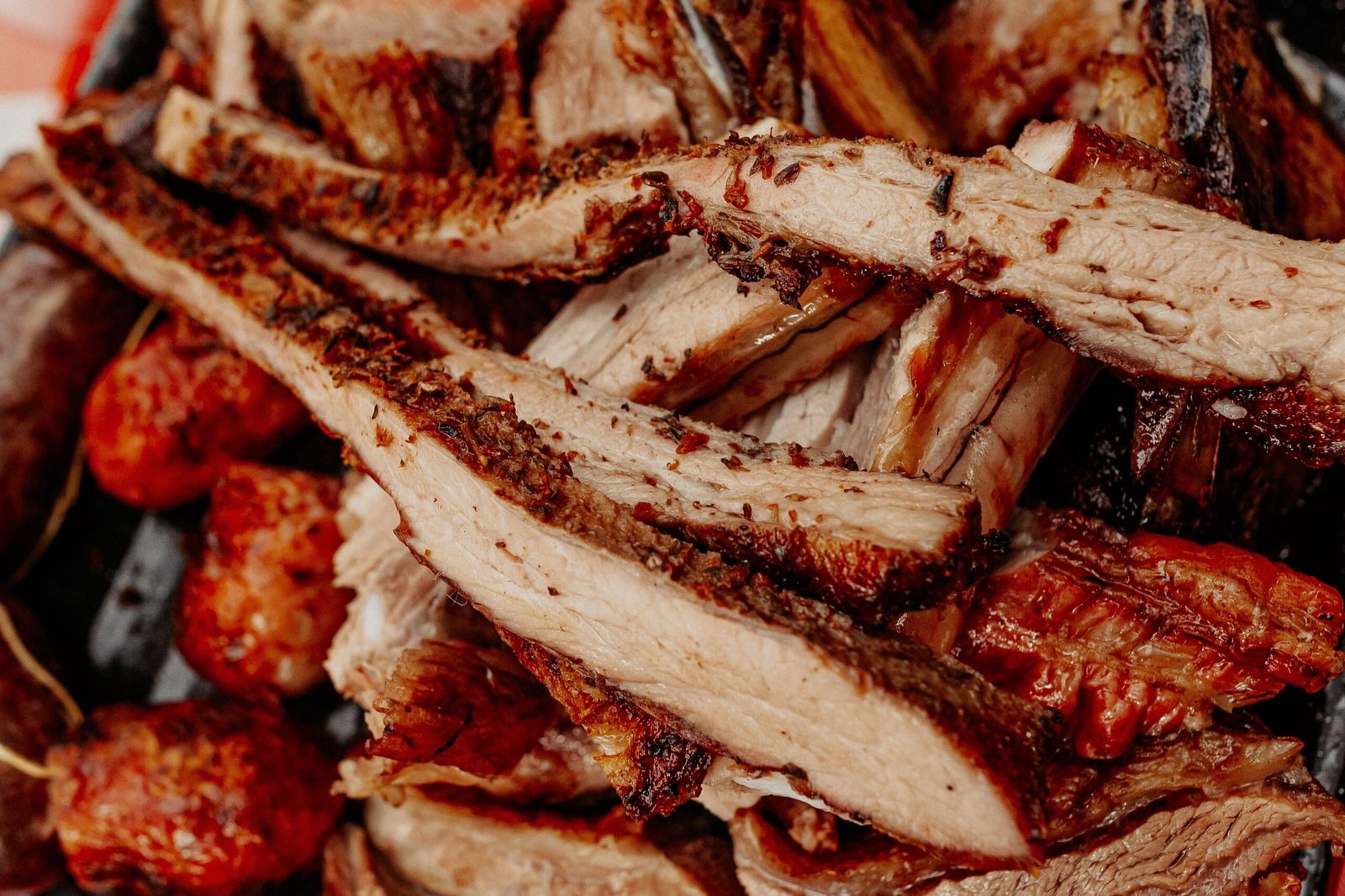
Table of Contents
ToggleWhen you search for “best asado negro near me,” you are usually looking for more than just a beef dish. You are looking for a meal with deep flavor, tender texture, a rich dark sauce, and the kind of traditional preparation that makes Venezuelan cuisine so memorable. Asado negro is one of Venezuela’s classic dishes, traditionally prepared with a beef cut that is slowly cooked after being deeply browned or caramelized, creating its characteristic dark exterior and sweet-savory sauce. Depending on the restaurant and family tradition, the dish may be served with rice, plantains, vegetables, or other traditional accompaniments. Because preparation methods vary, finding the best asado negro near me can take a little more research than simply choosing the closest restaurant. The best option is generally a restaurant that understands the balance between caramelized sweetness, savory seasoning, tender beef, and a flavorful sauce rather than simply offering a dish that looks dark on the plate.
If you have never tried asado negro before, searching for an authentic version can also be a great introduction to Venezuelan food. The dish has a distinctive combination of flavors that separates it from many other braised beef dishes. A well-prepared asado negro should have meat that is tender enough to cut easily, while the sauce should provide a complex mixture of sweetness, savory depth, caramelized notes, and seasoning. Whether you are specifically craving Venezuelan cuisine, exploring Latin American food, or simply searching for something different for dinner, knowing what makes a good asado negro can help you choose a restaurant with confidence.
What Is Asado Negro?
Asado negro is a traditional Venezuelan beef dish known for its dark, caramelized exterior and flavorful sauce. The name literally refers to the dark appearance of the roast, which develops during the cooking process. Traditionally, the beef is browned or caramelized before being slowly cooked with a mixture of seasonings and other ingredients that create the characteristic sauce. The result is a dish that combines the richness of beef with a sweet, savory, and deeply developed flavor profile. Unlike a simple grilled steak, asado negro is generally associated with slow cooking, allowing the meat and sauce to develop a more complex taste and tender consistency.
One of the reasons people specifically search for Venezuelan asado negro near me is that the dish can vary significantly from one restaurant to another. Some versions may emphasize sweetness and caramelized flavors, while others may have a stronger savory or spiced character. The type of beef, cooking time, seasoning, and sauce preparation can all affect the final result. A restaurant specializing in Venezuelan cuisine may prepare asado negro according to a traditional family recipe, while a broader Latin American restaurant may offer its own interpretation. If authenticity matters to you, looking at the restaurant’s Venezuelan menu, customer reviews, food photographs, and descriptions can help you determine whether its asado negro is likely to match what you are looking for.
How to Find the Best Asado Negro Near Me
Finding the best asado negro near me starts with looking beyond distance. A restaurant that is only a few minutes away may not necessarily offer the most authentic or flavorful version of the dish. Start by searching for Venezuelan restaurants, Latin American restaurants with Venezuelan specialties, and local establishments that specifically mention asado negro on their menus. Restaurant reviews can be particularly useful because customers often describe whether the beef was tender, whether the sauce was flavorful, and whether the portion size was satisfying. Food photographs can also provide clues about presentation, although appearance alone cannot tell you whether the meat has been cooked properly. When comparing restaurants, pay attention to businesses that consistently receive positive comments about their Venezuelan dishes rather than restaurants where asado negro is merely one of hundreds of unrelated menu items.
Another useful strategy is to search using several related phrases instead of relying on one query. For example, you can look for “asado negro near me,” “Venezuelan restaurant near me,” “authentic Venezuelan food near me,” “Venezuelan beef near me,” and “best Venezuelan restaurant near me.” These searches may reveal different restaurants and reviews, especially because some establishments may not use the exact phrase “asado negro” prominently in their website titles. You can then compare menus, ratings, photographs, opening hours, prices, and customer feedback. If you are ordering for the first time, checking whether the restaurant serves the dish as a traditional entrée with appropriate side dishes can also help you identify establishments that take Venezuelan cuisine seriously.
What Makes a Great Asado Negro?
A great asado negro begins with properly prepared beef. The meat should be cooked long enough to become tender without turning dry or stringy. The dark exterior is an important characteristic, but color alone does not determine quality. The caramelization should contribute flavor rather than simply making the meat appear dark. When you cut into a well-prepared serving, the beef should have a tender texture and should work harmoniously with the sauce. The sauce itself is arguably one of the most important components because it brings together the sweet, savory, caramelized, and seasoned flavors that make asado negro distinctive. A weak or overly sweet sauce can make the dish feel unbalanced, while a well-developed sauce can transform a simple serving of beef into a memorable meal.
The side dishes matter as well. Traditional Venezuelan meals often pair rich main dishes with simple accompaniments that help balance the flavors. Depending on the restaurant, asado negro may be served with white rice, plantains, vegetables, salad, or other sides. Rice can absorb the flavorful sauce, while sweet plantains can complement the caramelized character of the beef. When searching for the best asado negro restaurant near me, therefore, consider the complete plate rather than evaluating the beef by itself. A restaurant that prepares the meat carefully and pairs it with thoughtful sides may provide a much better dining experience than a place that focuses only on the main protein.
Why Venezuelan Asado Negro Is Worth Trying
Venezuelan cuisine has a wide range of dishes influenced by regional traditions, ingredients, and cultural history, and asado negro is an excellent example of the country’s love for rich, comforting meals. Its appeal comes partly from the contrast between textures and flavors. The beef provides richness, while the caramelized sauce adds sweetness and depth. When combined with rice or other accompaniments, the dish becomes hearty without relying on complicated presentation. For people who enjoy slow-cooked beef, caramelized flavors, and savory sauces, asado negro can be an especially satisfying choice.
Another reason to try authentic asado negro is that it offers an opportunity to experience Venezuelan food beyond more internationally familiar dishes. Many people discover Venezuelan cuisine through arepas, empanadas, or tequeños, but traditional meals such as asado negro show another side of the country’s culinary identity. Searching for authentic Venezuelan food near me can therefore lead you to restaurants where you can explore several dishes rather than stopping with one popular menu item. If you enjoy the asado negro, you may want to return and try other Venezuelan specialties on a future visit.
Best Sides to Order With Asado Negro
The right side dishes can make a major difference when ordering asado negro. Rice is a natural pairing because its mild flavor allows the rich sauce from the beef to stand out, while also providing a way to enjoy every bit of the flavorful sauce. Plantains are another appealing accompaniment because their sweetness can complement the caramelized character of the beef. Depending on the restaurant, you might also find vegetables, salads, beans, or other traditional Venezuelan sides. Rather than automatically ordering several heavy dishes, consider choosing sides that provide different textures and flavors so that the meal remains balanced from the first bite to the last.
If you are visiting a Venezuelan restaurant with friends or family, sharing several dishes can also be a good way to experience the cuisine. One person might order asado negro while others choose arepas, pabellón criollo, empanadas, or another specialty. This approach lets everyone sample different flavors and can make the restaurant visit more interesting, particularly if Venezuelan cuisine is new to you. If you specifically searched best asado negro near me because you already know you enjoy the dish, however, you may want to make the asado negro the centerpiece of the meal and choose complementary sides rather than competing main courses.
How to Choose an Asado Negro Restaurant
When choosing an asado negro restaurant near me, consider several factors instead of relying on a single rating. First, look for restaurants with a clear connection to Venezuelan cuisine. A restaurant that specializes in Venezuelan dishes may have more experience preparing traditional recipes than an establishment that occasionally adds one Venezuelan item to a broad menu. Next, examine recent customer reviews and look specifically for comments about the beef’s tenderness, sauce, flavor, portion size, and authenticity. Recent reviews are particularly useful because restaurant menus and recipes can change over time.
You should also consider practical factors such as location, price, dining style, takeaway availability, and opening hours. If you are searching on a busy evening, a highly rated restaurant may be crowded, so checking whether reservations or online ordering are available can save time. For delivery, remember that dishes with sauces can sometimes travel differently from food served directly from the kitchen. If possible, choose a restaurant with strong recent reviews for both dine-in and takeaway service. The goal is not simply to find the restaurant with the highest overall rating but to find the place that combines authentic Venezuelan cuisine, quality ingredients, careful preparation, good service, and convenient location.
Tips for Ordering Asado Negro for the First Time
If this is your first time ordering asado negro, do not be surprised by its dark appearance. The deep color is part of the dish’s identity and generally comes from the caramelization and cooking process. Instead of judging it by appearance, focus on the aroma, tenderness of the beef, and balance of the sauce. You can also ask the restaurant how the dish is prepared and what sides they recommend. A knowledgeable server should be able to explain the flavor profile and help you decide whether the dish is suitable for your preferences.
If you enjoy sweet-and-savory combinations, slow-cooked beef, and rich sauces, asado negro is likely to be an excellent choice. If you prefer very spicy food, however, keep in mind that traditional asado negro is not necessarily defined by intense heat. Its appeal is more about depth, caramelization, seasoning, and the contrast between sweet and savory flavors. This distinction is useful when searching for the best Venezuelan food near me, because you can select other dishes if you specifically want something hot and spicy.
Searching for “Asado Negro Near Me” Online
A local search for “best asado negro near me” can produce restaurants, food-delivery listings, maps, review websites, and social media pages. To get the most useful results, compare information across several sources rather than immediately selecting the first listing. Restaurant menus can tell you whether asado negro is currently available, while customer reviews can provide information about taste and portion size. Photos can help you understand how the dish is presented, but remember that photographs may not always represent the current serving.
It is also worth checking whether the restaurant has recently updated its menu. Some traditional dishes may be offered only on particular days or may occasionally sell out. If asado negro is the main reason for your visit, calling ahead or checking the restaurant’s current menu can prevent disappointment. This is especially important when traveling across town specifically to try a particular Venezuelan specialty.
Conclusion
Finding the best asado negro near me is about more than choosing the closest restaurant. The best experience comes from finding a place that understands the traditional character of Venezuelan asado negro and prepares the beef until it is tender, flavorful, and complemented by a rich caramelized sauce. Restaurant reviews, menus, food photographs, customer recommendations, and information about Venezuelan cuisine can all help you narrow down your options. When you find a restaurant that consistently delivers quality food and authentic flavors, asado negro can become one of those memorable meals that makes you want to explore even more of Venezuelan cuisine.
Whether you are a longtime fan of Venezuelan food or are trying asado negro for the first time, searching for authentic asado negro near me is a great starting point. Look for restaurants that emphasize quality preparation, traditional flavors, fresh ingredients, and satisfying accompaniments. Once you discover a version that balances tender beef with a deeply flavored sweet-and-savory sauce, you will understand why this classic Venezuelan dish has become a favorite for people looking for comforting and distinctive Latin American food.
Frequently Asked Questions
What is asado negro?
Asado negro is a traditional Venezuelan beef dish characterized by tender, slow-cooked meat and a dark, caramelized exterior with a rich sweet-and-savory sauce. It is commonly served with rice and other complementary side dishes.
Where can I find the best asado negro near me?
The best place depends on your location. Search for Venezuelan restaurants and specifically check their menus for asado negro. Compare recent reviews, food photos, ratings, prices, and customer comments before choosing a restaurant.
Is asado negro spicy?
Asado negro is generally known more for its caramelized, sweet-and-savory flavor than for intense spiciness. Recipes vary by restaurant, so you can ask the staff about the seasoning before ordering.
What does asado negro taste like?
Asado negro typically combines rich beef with caramelized sweetness, savory seasoning, and a deeply flavored sauce. The exact taste varies depending on the restaurant’s recipe and preparation method.
What sides go well with asado negro?
Rice and sweet plantains are popular complementary choices, although restaurants may offer vegetables, salad, beans, or other Venezuelan side dishes. Rice is particularly useful for soaking up the flavorful sauce.
Is asado negro a traditional Venezuelan dish?
Yes. Asado negro is widely recognized as a traditional Venezuelan dish and is associated with the country’s home-style and celebratory cooking traditions.
What should I look for in a good asado negro?
Look for tender beef, a flavorful caramelized sauce, balanced sweet and savory notes, and well-prepared accompanying sides. Customer reviews that specifically mention the asado negro can be particularly helpful.
Can I order asado negro for takeout or delivery?
Many Venezuelan restaurants offer takeout or delivery, but availability varies by location. Check the restaurant’s current menu and ordering options before placing an order.
What should I search besides “best asado negro near me”?
Useful related searches include “asado negro near me,” “Venezuelan restaurant near me,” “authentic Venezuelan food near me,” “Venezuelan food near me,” “best Venezuelan restaurant near me,” and “authentic asado negro restaurant.”
Why should I try authentic Venezuelan asado negro?
Asado negro offers a distinctive combination of tender beef, caramelized flavor, rich sauce, and traditional Venezuelan cooking. It is an excellent choice for anyone who enjoys hearty, slow-cooked dishes with a balance of sweet and savory flavors.
food
Queen’s Feast Charlotte Restaurant Week: A Complete Guide for Food Lovers
Published
3 months agoon
June 28, 2026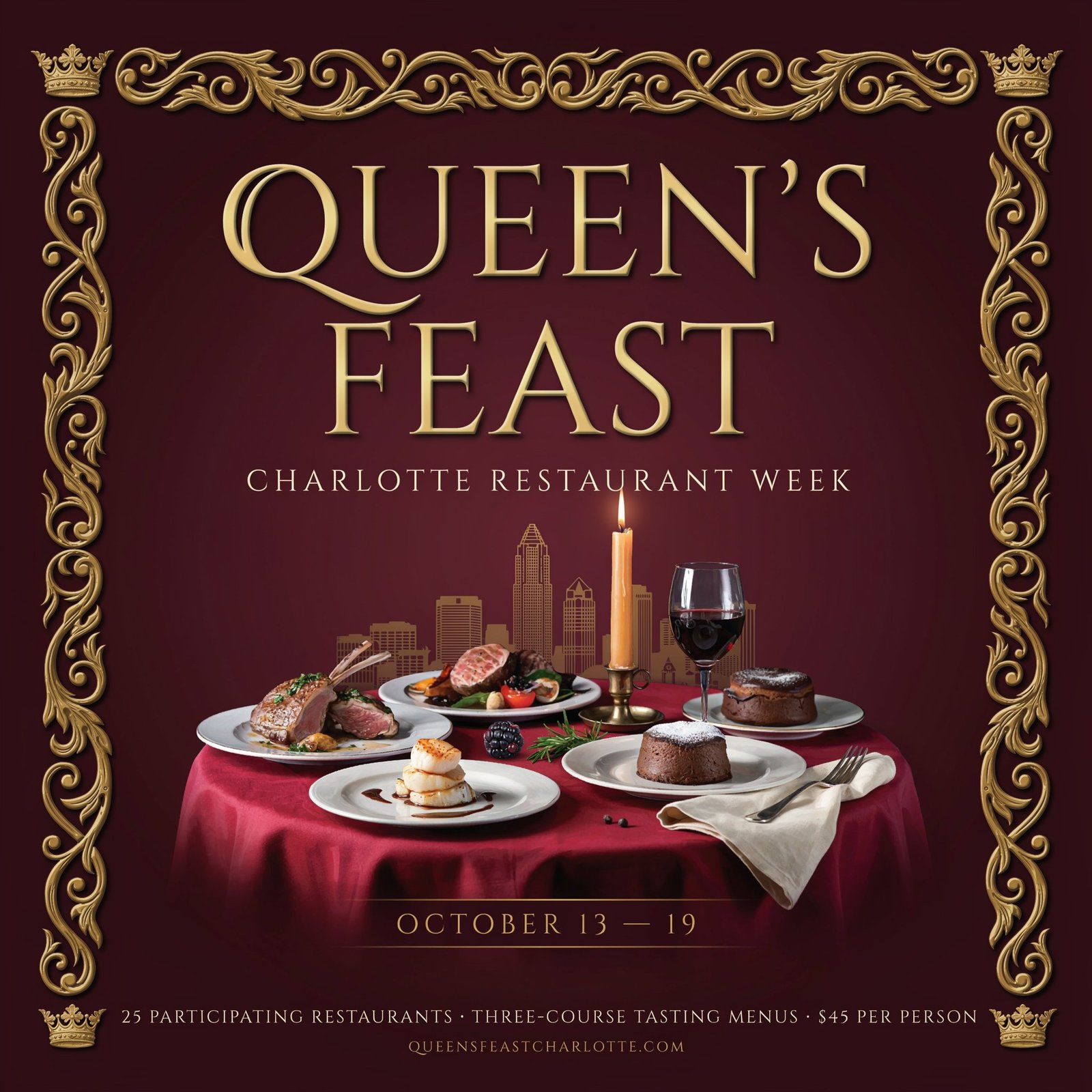
Table of Contents
ToggleQueen’s Feast Charlotte Restaurant Week: A Complete Guide for Food Lovers
Charlotte has become one of the fastest-growing food destinations in the Southeast, and one event that perfectly captures the city’s culinary energy is Queen’s Feast Charlotte Restaurant Week. Every year, this popular dining celebration brings together restaurants, chefs, and food lovers for a special experience built around discovering new flavors at attractive prices.
For many locals and visitors, Queen’s Feast is more than just a discount dining event. It is a chance to explore Charlotte’s restaurant scene, try places they may have never visited before, and enjoy carefully designed menus created specifically for the occasion. The event transforms the city into a celebration of food, creativity, and hospitality.
The idea behind restaurant weeks is simple: restaurants create special multi-course menus that allow guests to experience their cuisine at a fixed price. Instead of ordering individual dishes from a regular menu, diners can enjoy a complete meal designed by the chef. This format makes upscale dining feel more accessible while also encouraging people to support local businesses.
Charlotte’s food culture has grown significantly over the years. The city now offers everything from modern Southern cuisine and international flavors to elegant fine dining and creative chef-driven concepts. Queen’s Feast highlights this variety and gives restaurants a platform to showcase what makes them unique.
Whether you are a longtime Charlotte resident or someone visiting the area, Queen’s Feast can be an exciting way to experience the city through its restaurants. Food has a way of telling a story, and during this event, every plate becomes a small introduction to the people and traditions behind it.
What Is Queen’s Feast Charlotte Restaurant Week?
Queen’s Feast Charlotte Restaurant Week is a seasonal dining event that features participating restaurants throughout the Charlotte area offering special prix-fixe menus. The event is designed to encourage diners to explore local restaurants while enjoying curated meals at set prices.
The event typically includes a wide range of restaurants, from luxury dining establishments to neighborhood favorites. Each participating location creates its own menu, meaning every experience can be different. One restaurant may focus on seasonal ingredients and modern techniques, while another may highlight traditional comfort food or international cuisine.
The popularity of Queen’s Feast comes from its ability to connect restaurants with customers. Many people hesitate to try a new restaurant because they are unsure about prices, menu options, or overall experience. Restaurant week removes some of those barriers by offering a structured way to explore.
The event also creates excitement because menus are often limited-time offerings. A dish that appears during Queen’s Feast may not always be available afterward, making the experience feel special and temporary.
For restaurants, the event provides visibility. A guest who discovers a favorite meal during Queen’s Feast may return throughout the year, turning a one-time visit into a long-term customer relationship.
The History Behind Charlotte’s Signature Dining Event
Restaurant week traditions exist in many major cities, but Charlotte’s version developed its own identity by focusing on the local dining community. The event reflects the growth of Charlotte from a regional business center into a city known for culture, entertainment, and food.
Over time, Charlotte’s restaurant landscape has expanded dramatically. New neighborhoods have developed, chefs have opened innovative concepts, and diners have become more interested in unique experiences rather than simple meals.
Queen’s Feast became a way to showcase this evolution. Instead of only highlighting famous restaurants, the event allows a variety of dining establishments to participate. This creates opportunities for smaller restaurants to introduce themselves to new audiences.
The event also mirrors a larger trend in the food industry: people want experiences. A meal is no longer just about eating; it is about atmosphere, creativity, service, and memories.
Why Food Lovers Look Forward to Queen’s Feast
The excitement around Queen’s Feast comes from discovery. Many diners use the event as an opportunity to visit restaurants they have heard about but never tried.
It creates a sense of adventure. Choosing a restaurant during Queen’s Feast can feel like opening a door to a new experience. You may discover a hidden neighborhood gem, a talented chef, or a new favorite dish.
Another reason people enjoy the event is the social aspect. Restaurant week is perfect for date nights, family dinners, celebrations, and gatherings with friends. Sharing a meal becomes part of the experience.
The event also gives food lovers a reason to explore different parts of Charlotte. Instead of staying in familiar areas, diners often travel across the city to experience different restaurants and neighborhoods.
How Queen’s Feast Works
The basic structure of Queen’s Feast is centered around prix-fixe dining. Participating restaurants prepare special menus where guests pay a set price for multiple courses.
This approach benefits both diners and restaurants. Customers know what type of experience they are getting before they arrive, while restaurants can create menus that highlight their strengths.
A typical Queen’s Feast meal may include appetizers, main courses, and desserts. The exact format depends on the restaurant and the style of cuisine being offered.
Prix-Fixe Menus and Special Restaurant Offers
Prix-fixe menus are popular because they simplify the dining experience. Instead of choosing from a large menu, guests receive a selection created specifically for the event.
Chefs often use this opportunity to showcase signature dishes, seasonal ingredients, or creative combinations. The menu becomes a presentation of what the restaurant represents.
| Dining Option | Regular Visit | Queen’s Feast Experience |
|---|---|---|
| Menu Style | Full menu selection | Special curated menu |
| Pricing | Individual dish prices | Fixed multi-course price |
| Experience | Standard dining | Limited-time event |
| Discovery | Familiar choices | Opportunity to try new restaurants |
Participating Restaurants and Dining Options
One of the biggest attractions of Queen’s Feast is the variety of restaurants involved. Charlotte’s dining scene includes many different styles, making the event appealing to a wide audience.
Guests may find options ranging from upscale restaurants with elegant dining rooms to casual locations offering creative comfort food.
The best restaurant choice depends on personal taste. Some diners look for a romantic atmosphere, while others want bold flavors, unique cuisine, or a relaxed environment.
(Article continues in Part 2 with remaining sections, conclusion, FAQs, and required footer.)
Best Ways to Enjoy Queen’s Feast Charlotte
Planning Your Restaurant Week Experience
Getting the most out of Queen’s Feast Charlotte Restaurant Week starts with planning. Because the event attracts many diners, popular restaurants can fill reservations quickly, especially during peak dinner hours and on weekends. A little preparation can turn a simple restaurant visit into a memorable experience.
The first step is deciding what type of dining experience you want. Are you looking for a special date-night location with an elegant atmosphere? Do you want to discover a new neighborhood restaurant? Are you interested in trying a cuisine you have never experienced before? Answering these questions helps narrow down the many options available.
Many experienced Queen’s Feast diners recommend reviewing menus before choosing a restaurant. Since each location creates its own special offering, the menu can tell you a lot about whether the experience matches your preferences. Some restaurants may focus on adventurous dishes, while others may offer familiar favorites with a creative twist.
Another helpful strategy is exploring restaurants outside your usual area. Charlotte has many unique neighborhoods, each with its own food identity. Restaurant week provides a perfect excuse to travel across the city and discover places you might not normally visit.
The event is also a great opportunity for groups. Friends, couples, coworkers, and families can use Queen’s Feast as a reason to gather. Sharing different dining experiences creates memories that last beyond the meal itself.
Tips for Getting the Best Reservations
Because Queen’s Feast is a limited-time event, reservation planning matters. Popular restaurants often receive high demand, especially when they are known for excellent service, creative menus, or unique atmospheres.
Some useful strategies include:
- Making reservations early when possible.
- Checking multiple dining times.
- Exploring restaurants during less busy hours.
- Reviewing menu details before booking.
- Considering weekday dining for easier availability.
Flexibility can make a major difference. A restaurant that is difficult to book on a Saturday evening may have availability on a weekday, offering the same menu and experience with less competition.
It is also important to remember that the goal of Queen’s Feast is discovery. While famous restaurants may attract attention, smaller restaurants can provide equally impressive experiences. Sometimes the best dining discoveries happen in unexpected places.
Popular Restaurant Categories During Queen’s Feast
Fine Dining Experiences
One of the biggest attractions of Queen’s Feast is the opportunity to experience upscale dining. Charlotte has developed a strong reputation for chef-driven restaurants that focus on quality ingredients, presentation, and creative techniques.
Fine dining during restaurant week allows guests to experience a higher-end restaurant without committing to a full-price regular visit. The fixed menu format makes the experience feel approachable while still maintaining the restaurant’s personality.
These restaurants often highlight seasonal ingredients and carefully designed courses. A chef may create a menu that tells a story, moving from lighter flavors in the first course to richer and more complex dishes later in the meal.
The atmosphere is also part of the appeal. Elegant dining rooms, professional service, and thoughtful details create an experience beyond the food itself.
Casual and Family-Friendly Restaurants
Queen’s Feast is not limited to formal dining. Many casual restaurants participate as well, offering relaxed environments where guests can enjoy creative meals without a traditional fine-dining atmosphere.
These locations are especially appealing for families, groups, and people who prefer a comfortable setting. Casual restaurants often bring their own style to the event by showcasing popular dishes or introducing guests to new menu items.
The variety is what makes the event special. One person may enjoy a sophisticated multi-course dinner, while another may prefer a neighborhood favorite serving creative comfort food.
Why Queen’s Feast Supports Charlotte’s Food Scene
Helping Local Restaurants Grow
Restaurant events like Queen’s Feast play an important role in supporting local businesses. Restaurants operate in a competitive industry, and attracting new customers is one of their biggest challenges.
A first visit during restaurant week can become the beginning of a long-term relationship. A guest may discover a restaurant through the event and return months later for another meal, celebration, or gathering.
For newer restaurants, participation provides exposure. It allows chefs and restaurant owners to introduce their concepts to people who may not have discovered them otherwise.
The event also encourages people to spend money locally. Supporting restaurants contributes to the larger hospitality community, including servers, chefs, suppliers, and other workers.
Celebrating Charlotte’s Culinary Diversity
Charlotte’s food scene reflects the city’s growth and diversity. The restaurant landscape includes Southern traditions, international cuisines, modern interpretations, and innovative concepts.
Queen’s Feast highlights this variety by bringing different dining styles together in one citywide celebration. A guest can move from one restaurant to another and experience completely different flavors and traditions.
Food has always been a way for communities to connect. Restaurant week turns dining into a shared celebration of creativity and culture.
Queen’s Feast vs Regular Restaurant Dining
Price and Experience Comparison Table
| Category | Regular Restaurant Visit | Queen’s Feast Visit |
|---|---|---|
| Menu | Full restaurant menu | Special event menu |
| Cost | Depends on individual selections | Fixed pricing |
| Purpose | Everyday dining | Culinary discovery |
| Availability | Year-round | Limited-time event |
| Experience | Standard offering | Chef-curated experience |
Queen’s Feast is attractive because it combines value with exploration. Instead of simply ordering a familiar meal, guests are encouraged to try something different.
The event creates a balance between affordability and experience. Diners receive a structured meal while restaurants gain the opportunity to showcase their creativity.
The Future of Charlotte Restaurant Week
The future of Queen’s Feast Charlotte Restaurant Week reflects broader changes in the restaurant industry. Customers increasingly want experiences, not just meals. They want stories behind dishes, connections with chefs, and opportunities to explore new flavors.
Technology will likely continue influencing how people discover restaurants. Online menus, digital reservations, reviews, and social media have changed how diners make decisions.
At the same time, the personal experience of sitting at a table, sharing food, and connecting with others remains timeless.
Events like Queen’s Feast succeed because they bring together two important ideas: restaurants need opportunities to reach customers, and customers want reasons to explore.
Conclusion
Queen’s Feast Charlotte Restaurant Week is more than a dining promotion. It is a celebration of Charlotte’s growing culinary identity and a chance for people to experience the city through food.
The event gives diners an opportunity to explore new restaurants, enjoy creative menus, and create memorable experiences with friends and family. At the same time, it provides valuable support for local restaurants by introducing them to new audiences.
Whether you are searching for a fine dining adventure, a casual meal, or simply a new place to try, Queen’s Feast offers a unique way to discover what makes Charlotte’s food scene special.
A great meal is not just about what is on the plate. It is about the atmosphere, the people, the stories, and the memories created around the table.
Frequently Asked Questions About Queen’s Feast Charlotte Restaurant Week
1. When does Queen’s Feast Charlotte Restaurant Week happen?
Queen’s Feast is typically held during scheduled periods announced by organizers. Dates can change each year, so checking official event information is recommended.
2. Do restaurants offer the same menu during Queen’s Feast?
No. Each participating restaurant creates its own special menu, which means dining experiences vary from one location to another.
3. Do I need reservations for Queen’s Feast?
Reservations are strongly recommended because popular restaurants can become busy during the event.
4. Is Queen’s Feast only for expensive restaurants?
No. The event includes a variety of dining styles, including casual restaurants, neighborhood spots, and upscale locations.
5. Why is Queen’s Feast popular in Charlotte?
It is popular because it allows people to discover new restaurants, enjoy special menus, and celebrate the city’s diverse food culture.

Aluminum Fence Installation: A Complete Step-by-Step Guide

Tang Math Equation Answers: A Complete Guide to Solving Problems Step by Step

Eskute C100-BK-SS: Complete Guide, Features, Design and Buying Tips

Basket Random Unblocked: The Ultimate Guide to the Chaotic Basketball Game Everyone Loves in 2026

EzClasswork: A Complete Guide to Understanding the Online Learning Platform, Features, Benefits, and Educational Impact

Queen’s Feast Charlotte Restaurant Week: A Complete Guide for Food Lovers
Trending
 game3 months ago
Basket Random Unblocked: The Ultimate Guide to the Chaotic Basketball Game Everyone Loves in 2026
- game3 months ago
EzClasswork: A Complete Guide to Understanding the Online Learning Platform, Features, Benefits, and Educational Impact
- food3 months ago
Queen’s Feast Charlotte Restaurant Week: A Complete Guide for Food Lovers
- Entertainment3 months ago
Antonimar Mello: The Private Life Behind a Public Spotlight
- game3 months ago
Pixel Speedrun: The Ultimate Guide to Understanding, Playing, and Mastering the Fast-Paced Pixel Challenge
- game3 months ago
GunSpin: The Ultimate Guide to the Addictive Physics-Based Shooting Game (2026)
- Business3 months ago
Stormuring Explained: Meaning, Origins, Applications, and Why It Matters
- Fashion3 months ago
Dojen Moe: Meaning, Origins, and Why the Internet Is Talking About It in 2026